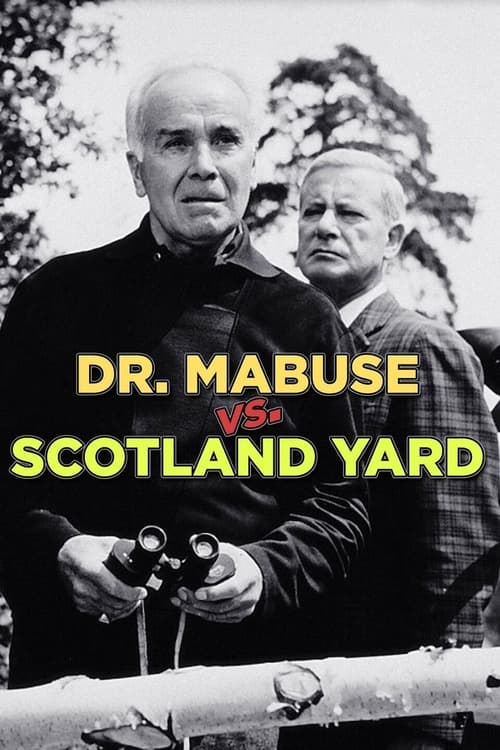
Dr. Mabuse vs. Scotland Yard
1963
No user ratings available yet
Diversity score: 2.8 out of 10
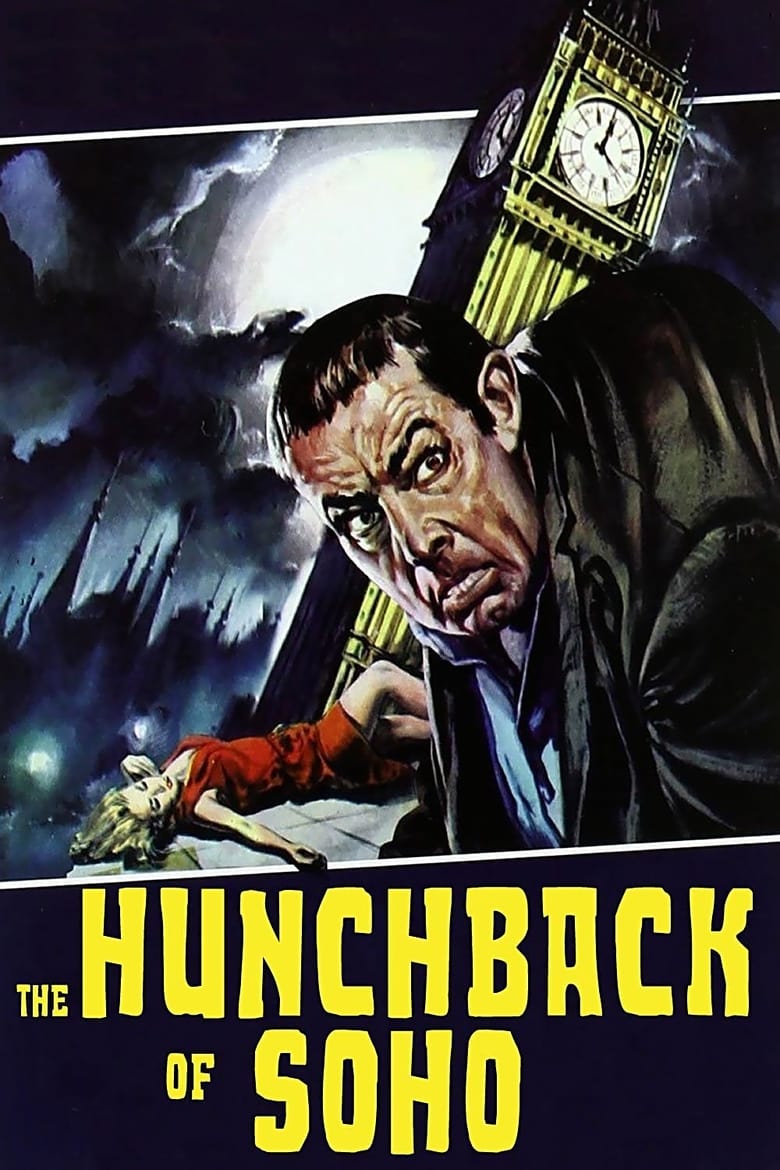
1966
Director
Alfred Vohrer
Runtime
89 minutes
Average Rating
No ratings yetSynopsis
A woman is kidnapped and her identity is stolen by criminals attempting to collect her inheritance.
Overall Score
Limited
Category Breakdown
LGBTQ+ Representation
The film adheres to the heteronormative standards typical of 1960s European crime cinema. There is no evidence of non-cisnormative identities or critiques of traditional social structures.
Gender Representation
The central female character is positioned as a victim of kidnapping and identity theft. This trope limits her agency, making her a passive subject within a male-driven criminal plot.
Racial & Ethnic Diversity
The production reflects the demographic homogeneity of mid-60s German cinema. There is no indication of diverse ensembles or casting that moves beyond Eurocentric norms.
Religious & Cultural Diversity
The narrative focuses on the theft of traditional wealth and inheritance. It lacks any critique of Western institutions or themes of secularism and anti-capitalism.
Disability Representation
The title implies a focus on physical deformity. Such portrayals in this era often use physical difference as a plot device or a marker of 'otherness' rather than nuanced representation.
Strengths
Areas for Improvement
AI Analysis
The Hunchback of Soho is a conventional mid-century German crime thriller that prioritizes genre tropes over character-driven identity exploration. The plot mechanics revolve around kidnapping and inheritance theft, following established mystery frameworks of the 1960s. Representation is limited by the era's cinematic standards. Female characters function primarily as catalysts for the mystery through victimization, while the casting and cultural themes reflect the demographic and social homogeneity of the period. Ultimately, the film lacks intersectional complexity. It operates within traditional social hierarchies rather than attempting to disrupt or challenge them through its narrative architecture.
1963
1953
1956

1951
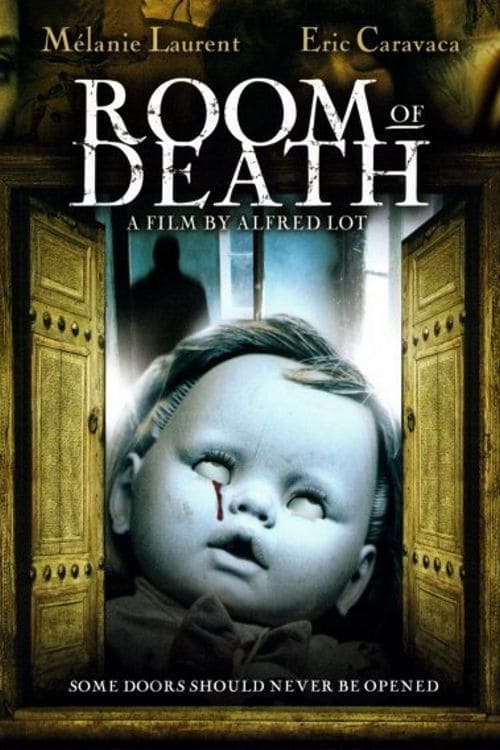
2007
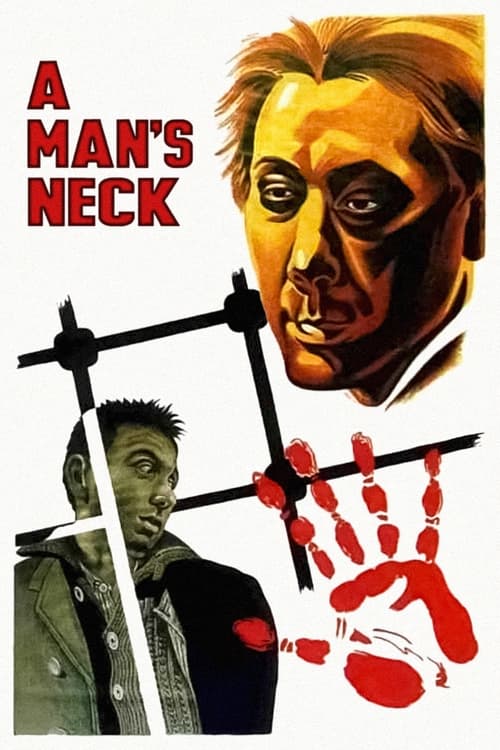
1933
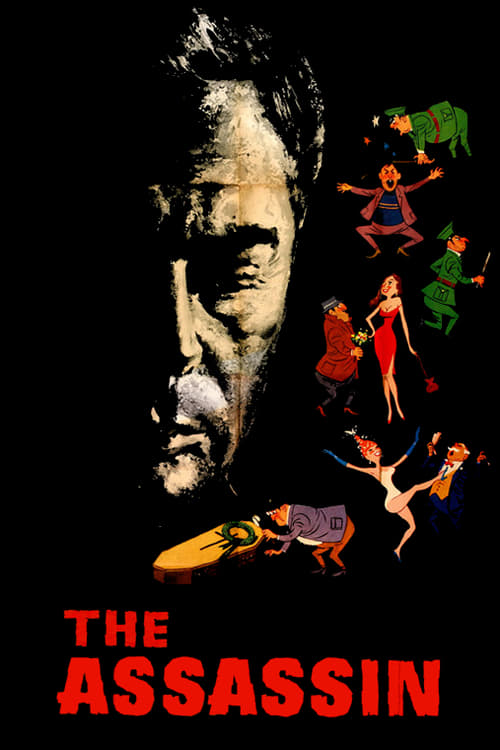
1961

1963
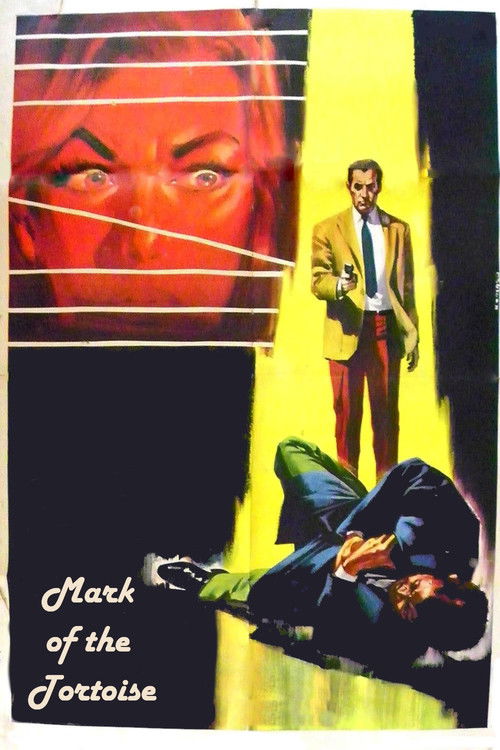
1964
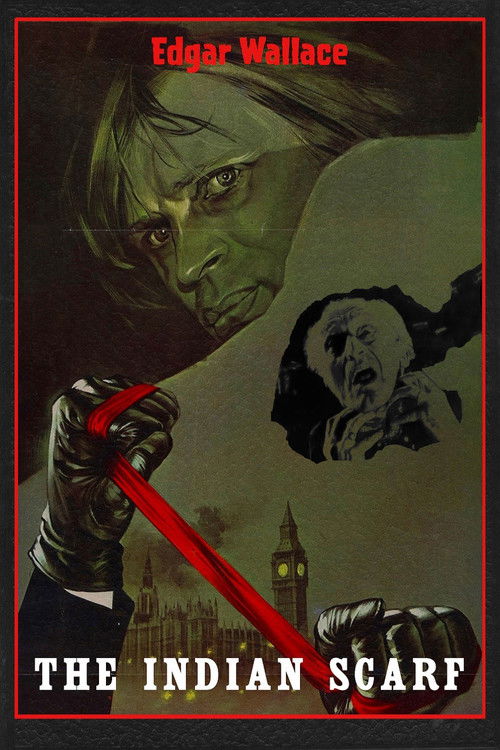
1963
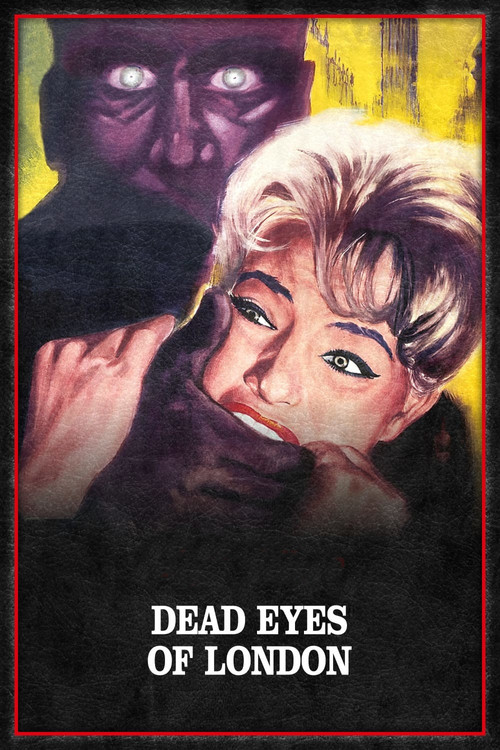
1961
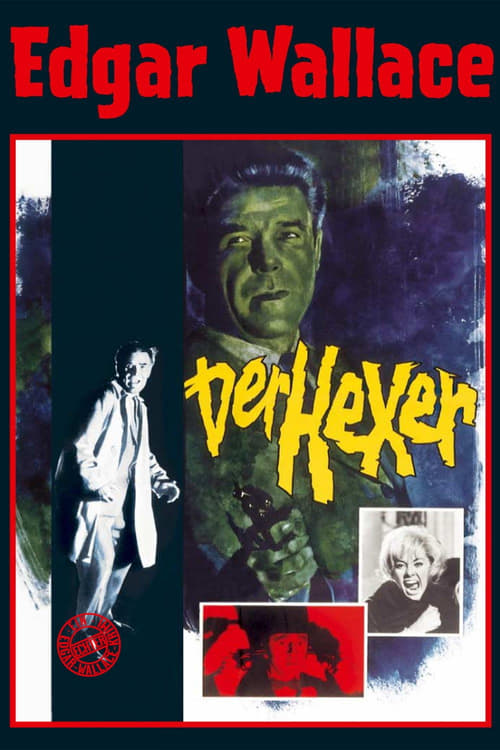
1964
No reviews yet. Be the first to share your thoughts on this movie!
Use the rating form above to leave a star rating and optional review.