
Trapped by Boston Blackie
1948
No user ratings available yet
Representation score: 0.8 out of 10
Representation Score
Minimal
1963
NRDirector
Edwin Zbonek
Runtime
94 minutes
Average Rating
No ratings yetNew Showbiz Analysis
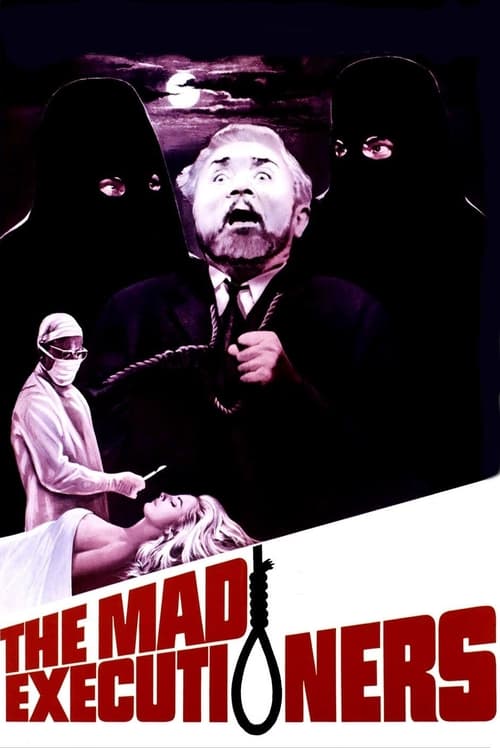
The Mad Executioners operates strictly within the mid-century genre conventions of crime and mystery. It functions as a traditional piece of entertainment that reinforces the social hierarchies and casting standards of 1963. The film lacks intentionality regarding inclusive storytelling or multi-layered representation. Instead, it relies on established clichés, such as masculine-coded vigilantism and a homogeneous cast, to drive its plot. Ultimately, the work does not attempt to disrupt or challenge the status quo, serving instead as a reflection of the era's conventional cinematic norms.
Category Breakdown
The film does not include any characters with non-traditional gender identities. It follows the traditional social norms and assumptions about straight relationships common in 1960s crime cinema.
The story centers around male-dominated vigilante roles, which are driven by masculine-coded ability to act. Female characters seem to have limited roles within the established genre hierarchies.
The production reflects the homogeneous casting standards of its time. There is no indication of racial integration or a cast that includes a variety of ethnicities.
The plot follows a standard binary of justice versus crime. It focuses on traditional morality rather than challenging Western institutions or promoting moral relativism.
There is no evidence of characters with visible or invisible disabilities within the narrative or historical records.
Present on Screen
Limited or Absent
Official Synopsis
A group of hooded vigilantes hang wrong-doers with a rope stolen from Scotland Yard's Black Museum.
1948
1946
1945
1960
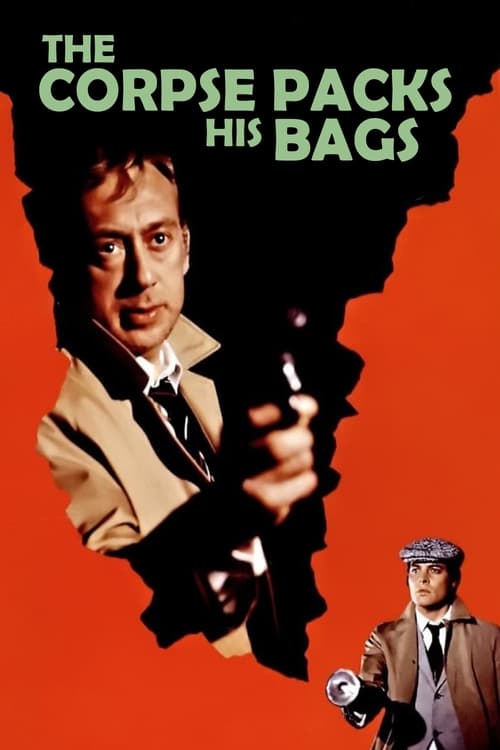
1972
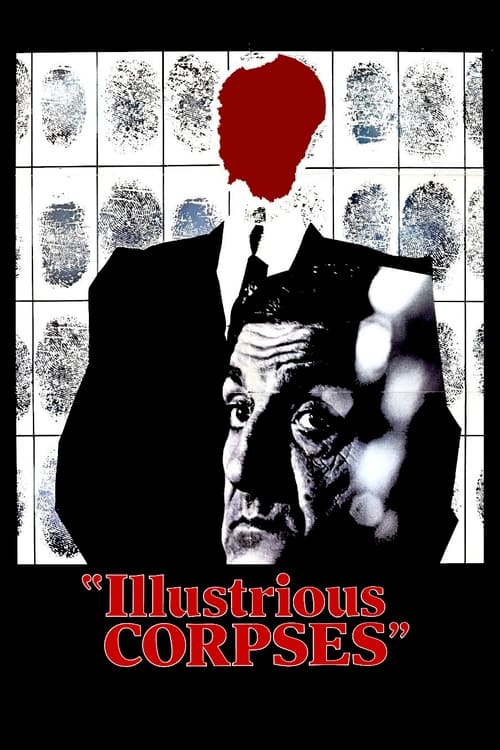
1976
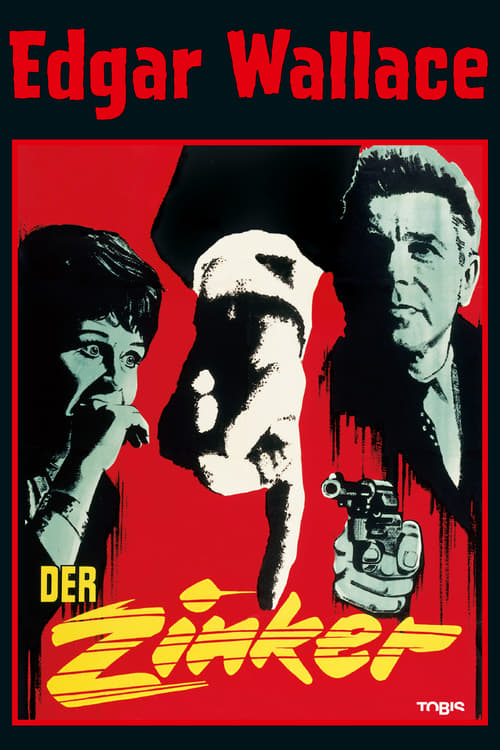
1963
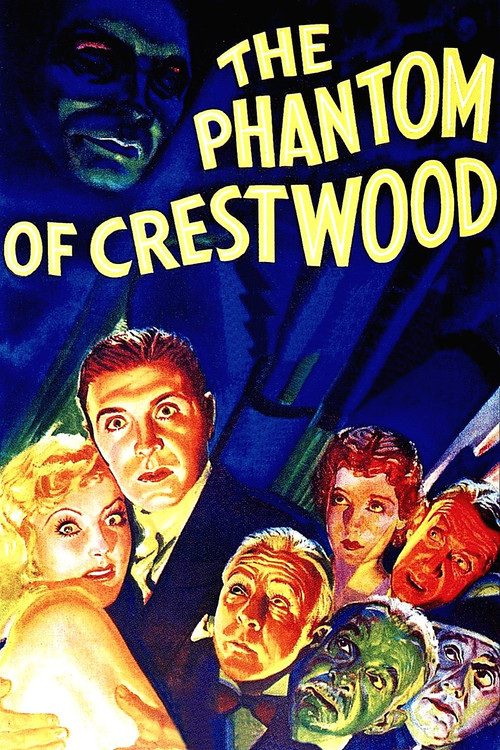
1932
No reviews yet. Be the first to share your thoughts on this movie!
Use the rating form above to leave a star rating and optional review.