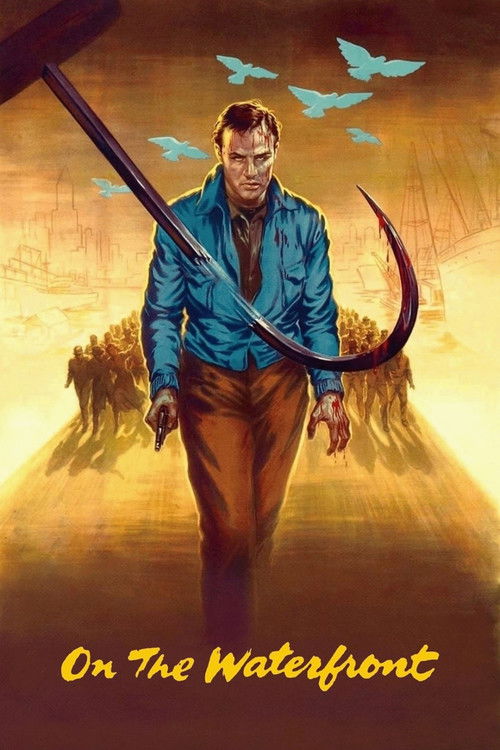
On the Waterfront
1954
No user ratings available yet
Representation score: 3.1 out of 10
Representation Score
Fair
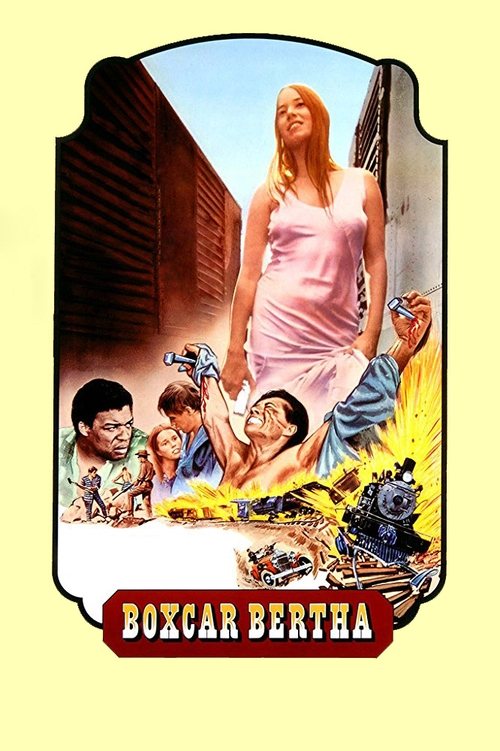
1972
RDirector
Martin Scorsese
Runtime
89 minutes
Average Rating
No ratings yetNew Showbiz Analysis
Boxcar Bertha explores themes of survival in a challenging environment. Although it lacks diversity in terms of race and LGBTQ+ identities, it excels in subverting traditional gender roles. The film highlights a underrepresented female protagonist who uses her own choices to navigate a hostile world. Martin Scorsese’s direction enhances the crime drama by criticizing the institutions that oppress the characters. By portraying the railroad establishment as corrupt, the film goes beyond simple sensationalism to examine the necessity of alternative lifestyles during the Great Depression.
Category Breakdown
The film focuses solely on heterosexual relationships and survival. It does not include any non-cisgender identities or same-sex relationships.
Bertha challenges traditional gender roles through her independence and sexual freedom. She avoids the damsel-in-distress cliché, instead acting as a key driver of the plot.
The cast is mostly white, focusing on the socioeconomic hardships faced by white transient individuals. The story does not provide substantial roles for characters of color.
The story critiques corrupt Western institutions and capitalism. It portrays authority figures as oppressive within a flawed economic system.
The film does not depict any significant or meaningful representations of visible or invisible disabilities.
Present on Screen
Limited or Absent
Official Synopsis
"Boxcar" Bertha Thompson, a transient woman in Arkansas during the violence-filled Depression of the early '30s, meets up with rabble-rousing union man "Big" Bill Shelly and the two team up to fight the corrupt railroad establishment.
1954

1950

1978
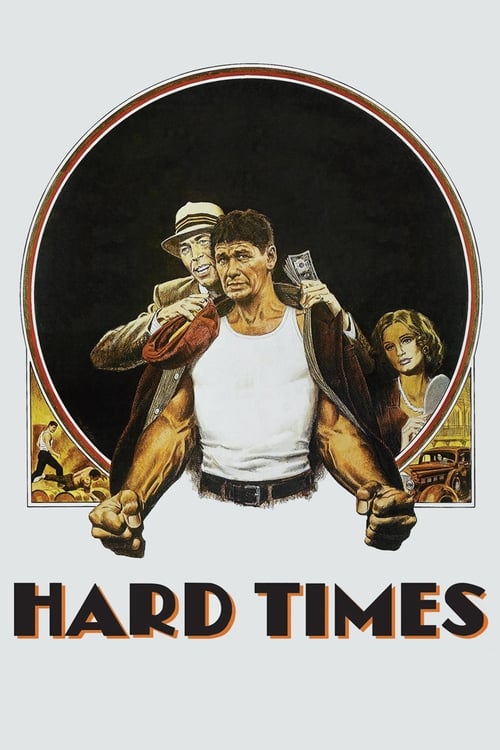
1975
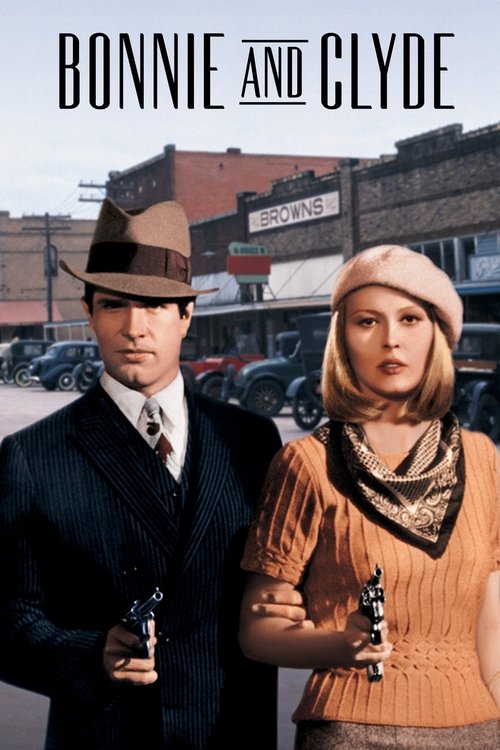
1967
1932
1942

1937
No reviews yet. Be the first to share your thoughts on this movie!
Use the rating form above to leave a star rating and optional review.