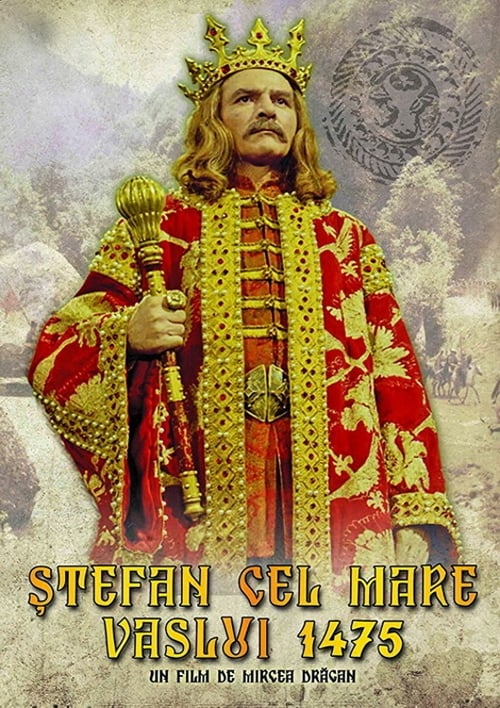
Stephen the Great: Vaslui 1475
1975
No user ratings available yet
Representation score: 1.1 out of 10
Representation Score
Fair
1968
Director
Mircea Drăgan
Runtime
136 minutes
Average Rating
No ratings yetNew Showbiz Analysis
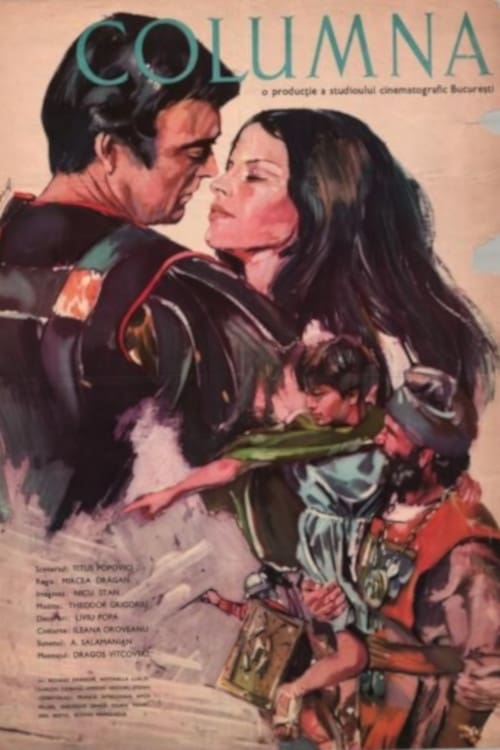
The Column serves as a historical drama that challenges the typical 'triumph of the empire' narrative. Instead of portraying the Roman military as purely benevolent, it frames it as an oppressive force. While the film successfully highlights the ability to act of the indigenous Dacian people, it does not incorporate contemporary markers of diversity. The focus remains on tribal loyalty and military conflict.
Category Breakdown
The film does not include explicit representations of LGBTQ+ identities or narratives centered around queer experiences.
The story emphasizes masculine roles such as warfare and leadership. Female characters exist but have less influence compared to male figures.
The film highlights the ethnic identity of the Dacians, giving a significant role in driving the story to the Dacian king and his followers. It portrays their struggle against Roman oppression.
The narrative questions the inevitability of Roman dominance. It presents the Roman military as a destructive force rather than a civilizing one.
The film does not depict any significant physical or cognitive disabilities that play a role in the narrative.
Present on Screen
Limited or Absent
Official Synopsis
The end of Trajan's Dacian Wars (106 AD), when south western Dacia was transformed into a Roman province: Roman Dacia.
1975
2015
1974

1957

1962
1953
1954
1972
No reviews yet. Be the first to share your thoughts on this movie!
Use the rating form above to leave a star rating and optional review.