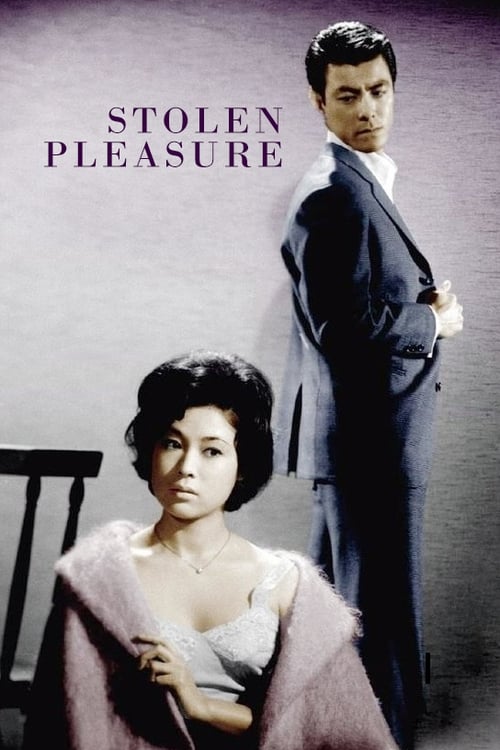
Stolen Pleasure
1962
No user ratings available yet
Representation score: 6.0 out of 10
Representation Score
Fair
1969
Director
Yasuzō Masumura
Runtime
95 minutes
Average Rating
No ratings yetNew Showbiz Analysis
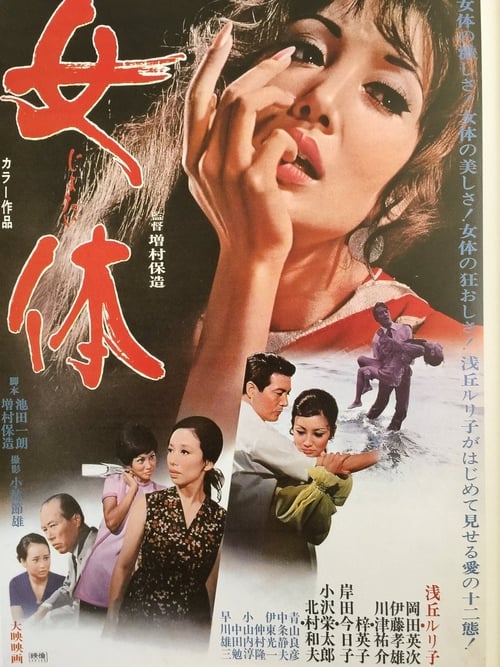
Vixen is a radical departure from traditional period-drama clichés, primarily due to its subversive treatment of gender. By centering a woman who exercises extreme ability to act, the film dismantles the cliché of the submissive female and challenges patriarchal power dynamics. While the film excels in its critique of social hierarchies and moral relativism, it remains limited by its lack of LGBTQ+ and disability representation. The narrative is deeply rooted in a specific historical and ethnic context, providing cultural depth but lacking multi-ethnic engagement. Ultimately, the film's strength lies in its ability to reclaim the female gaze. It uses the protagonist's strategic manipulation to expose the fragility of established male decency and social standing.
Category Breakdown
The film lacks explicit LGBTQ+ characters or non-straight-focused narratives. The central conflict revolves around transactional and erotic dynamics between the protagonist and male figures.
Michi serves as the primary driver of the plot, using her sexuality and intellect to navigate a male-dominated social order. The film effectively portrays masculinity as something that can be destabilized by female desire.
Set in historical Japan, the cast is ethnically uniform. The film operates within a culturally specific framework without engaging in multi-ethnic or color-blind casting dynamics.
The narrative rejects traditional morality in favor of pragmatic, situational ethics. It critiques rigid social and class structures by portraying individualistic desire as a valid response to systemic constraints.
There is no discernible representation of physical or neurodivergent disabilities within the narrative.
Present on Screen
Limited or Absent
Official Synopsis
Michi's first encounter with Nobuyuki Ishida, secretary to the chairman of a private school, takes place in the drawing room, when she attempts to swindle him out of two million yen for alleged rape by his son. Akie, Ishida's wife and the chairman's daughter, offers her a million, but he gives her what she demands. Now Michi is not only satisfied, but she has a mad desire for Ishida and calls him every day asking for a date. His sympathy for her gradually evolves into love, and he soon allows her insatiable passion to strip him of his decency.
1962

1957

1967

1945
1966
1971

1966
1964
No reviews yet. Be the first to share your thoughts on this movie!
Use the rating form above to leave a star rating and optional review.