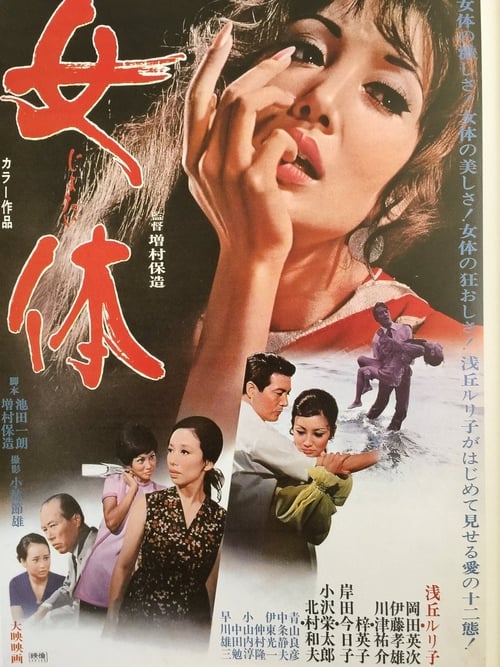
Vixen
1969
No user ratings available yet
Representation score: 4.4 out of 10

Representation Score
Fair
1967
Director
Koreyoshi Kurahara
Runtime
99 minutes
Average Rating
No ratings yetNew Showbiz Analysis
Thirst for Love stands out as a subversive psychological study that challenges mid-century cinematic morality. Its primary strength lies in its portrayal of women's ability to drive the story, presenting a protagonist who actively dismantles patriarchal expectations rather than submitting to them. However, the film lacks multi-layered breadth. The narrative is culturally homogeneous and offers no representation for LGBTQ+ identities or individuals with disabilities, which limits its demographic scope. Ultimately, the film is a sophisticated exploration of human impulses and class dynamics. It succeeds in disrupting social hierarchies through moral relativism, even while remaining narrow in its character diversity.
Category Breakdown
The film does not include any explicit LGBTQ+ characters or narratives. It focuses on the protagonist's heterosexual and transgressive sexual behavior.
Michiko challenges 1960s gender roles by taking a leading role in driving the plot. Her actions destabilize patriarchal structures through her infidelity.
The film reflects the cultural homogeneity of post-war Japan, focusing on internal class dynamics rather than diverse backgrounds.
The narrative rejects traditional morality in favor of subjective psychological realities. It portrays the breakdown of the family unit as a complex expression of human impulses.
There is no representation of physical or neurodivergent disabilities within the film.
Present on Screen
Limited or Absent
Official Synopsis
A young wealthy widow becomes sexually involved with her father-in-law, while harboring a destructive obsession with the family gardener.
1969

1976

1972
1978
1959

2009

1971

1987
No reviews yet. Be the first to share your thoughts on this movie!
Use the rating form above to leave a star rating and optional review.