
Forbidden
1932
No user ratings available yet
Representation score: 2.5 out of 10
Representation Score
Minimal
1933
PassedDirector
Edward Buzzell
Runtime
70 minutes
Average Rating
No ratings yetNew Showbiz Analysis
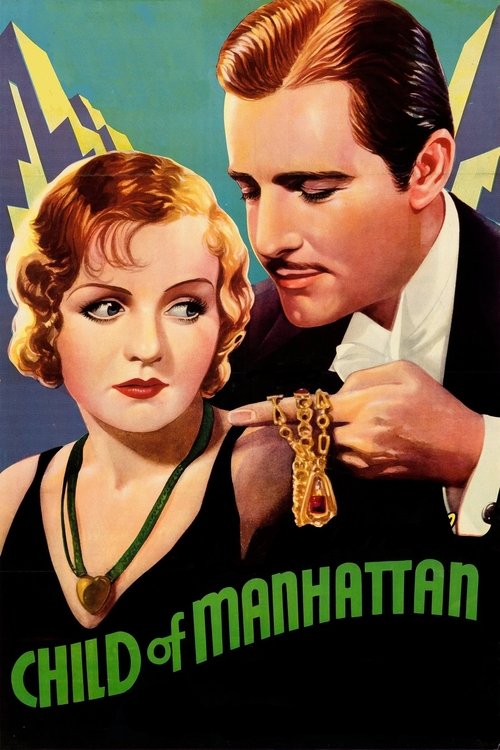
Child of Manhattan is a pre-Code era drama that explores the friction between extreme wealth and the working class. While it offers more social fluidity than later films, it remains anchored in traditional romantic structures. The film's strength lies in its depiction of women's ability to drive the story and class tension. Madeleine MacGonagal's decision to pursue independence in Mexico provides a departure from standard romantic clichés of the time. However, the film lacks meaningful diversity in terms of race, disability, or LGBTQ+ representation. It functions primarily as a character study of white, straight archetypes navigating class boundaries.
Category Breakdown
The film operates within a strictly straight-centered framework. The plot centers on a secret marriage and pregnancy, offering no queer subtext or non-cisgender identities.
Madeleine MacGonagal displays notable ability to act by seeking a divorce to secure her independence. However, her arc remains tied to her reproductive status and her relationship with a wealthy man.
The story focuses on a class-based dichotomy within a largely homogeneous Western social structure. Even when the setting shifts to Mexico, the focus remains on white protagonists.
The narrative provides a critique of class stratification and the corruption of wealth. It uses the tension between elite estates and dance halls to deconstruct class-based morality.
The plot focuses entirely on socioeconomic and romantic conflicts. There is no evidence of characters with visible or invisible disabilities.
Present on Screen
Limited or Absent
Official Synopsis
Paul Vanderkill is extraordinarily wealthy because his grandfather happened to buy farmland in what was to become Midtown Manhattan. The Loveland Dance Hall is one of the tenants of the Vanderkill estates. To reassure his aunt Sophie, Vanderkill visits Loveland to determine whether it is as disreputable as Sophie suspects. There he meets a dime-a-dance girl, Madeleine MacGonagal, who charms him with her quaint proletarian accent. They begin a secret affair, which turns into a secret marriage when pregnancy ensues. When the baby fails to survive, Madeleine decides that since he had married her only for the baby's sake, she should make haste to Mexico to secure a divorce. There she meets Panama Canal Kelly, a former suitor who now owns a silver mine. Her plans for divorce and quick remarriage are complicated when Vanderkill arrives to confront her.
1932
1920
1922

1930
1935
1929
1923
1926
No reviews yet. Be the first to share your thoughts on this movie!
Use the rating form above to leave a star rating and optional review.