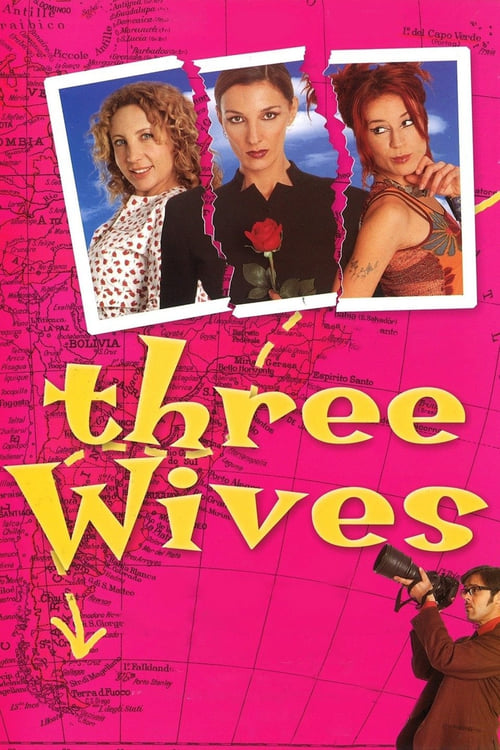
Three Wives
2001
No user ratings available yet
Representation score: 6.3 out of 10
Representation Score
Limited
2008
Director
Carlo Verdone
Runtime
132 minutes
Average Rating
No ratings yetNew Showbiz Analysis
Verdone’s comedy operates within a traditional Mediterranean framework, focusing on the neuroses of the Italian middle class. The film prioritizes individual psychological struggles over any attempt to deconstruct systemic social structures or identity politics. The narrative structure relies on established archetypes that reinforce existing social hierarchies. By centering on the specific cultural nuances of the Italian bourgeoisie, the film remains within a narrow, homogeneous demographic scope. Ultimately, the work functions as a regional character study. It seeks to find humor in the gap between self-perception and reality rather than challenging conventional expectations regarding gender, race, or institutional authority.
Category Breakdown
The film follows traditional heterosexual relationships and does not include central LGBTQ+ figures or engagement with non-binary gender identities.
Gender dynamics in the film largely reinforce traditional roles, with women mainly serving as objects of pursuit or as contrasts to the protagonist's mid-life crisis.
The narrative reflects a homogeneous demographic centered around Roman social circles. It lacks diverse casting or significant racial representation.
The film focuses on individual social anxieties rather than systemic critiques. It aligns with traditional social stability and established institutions.
Psychological neuroses are treated as comedic character traits. There is no meaningful exploration of neurodivergence or physical disabilities.
Present on Screen
Limited or Absent
Official Synopsis
A comic movie divided in three episodes.
2001
1980

1989
1995
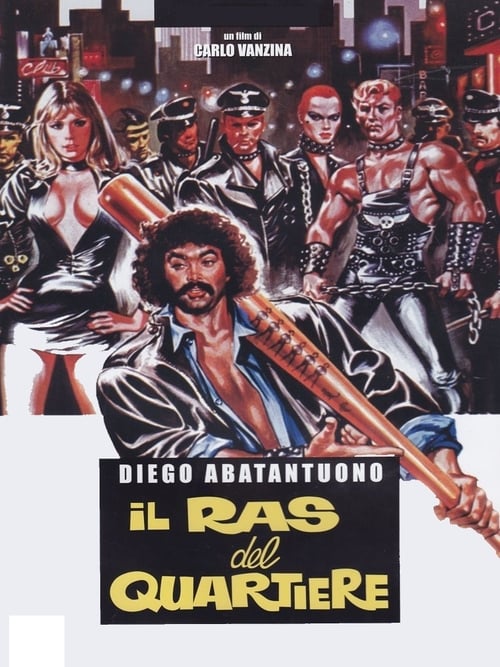
1983
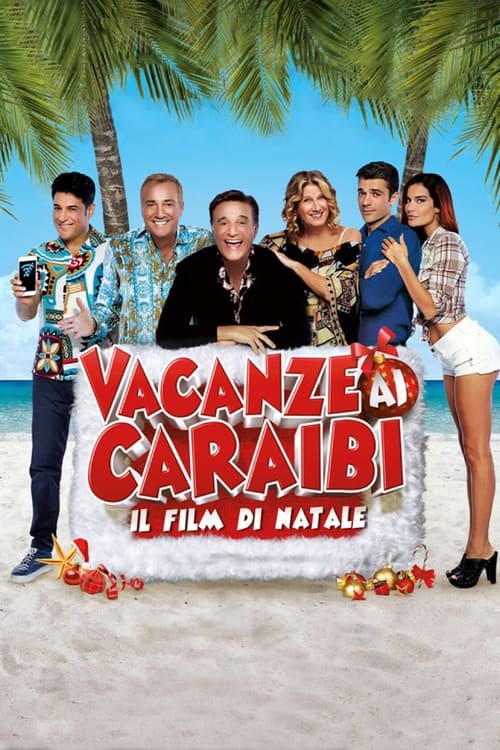
2015
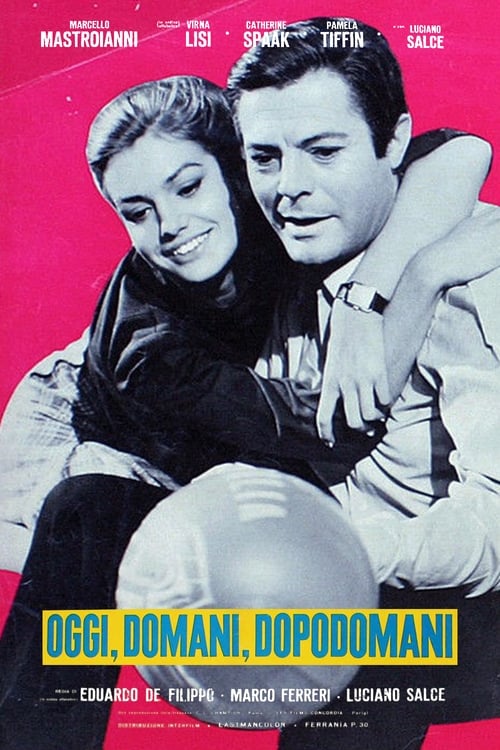
1965
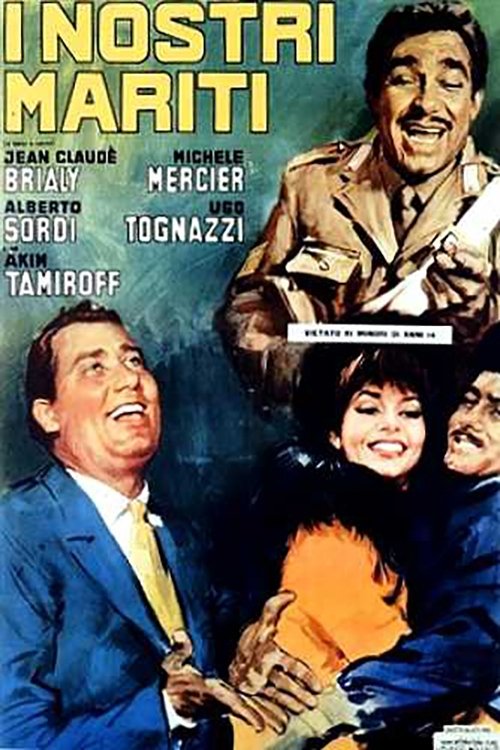
1966
No reviews yet. Be the first to share your thoughts on this movie!
Use the rating form above to leave a star rating and optional review.