
Colpi di fortuna
2013
No user ratings available yet
Representation score: 2.6 out of 10
Representation Score
Fair
1998
Director
Neri Parenti
Runtime
96 minutes
Average Rating
No ratings yetNew Showbiz Analysis
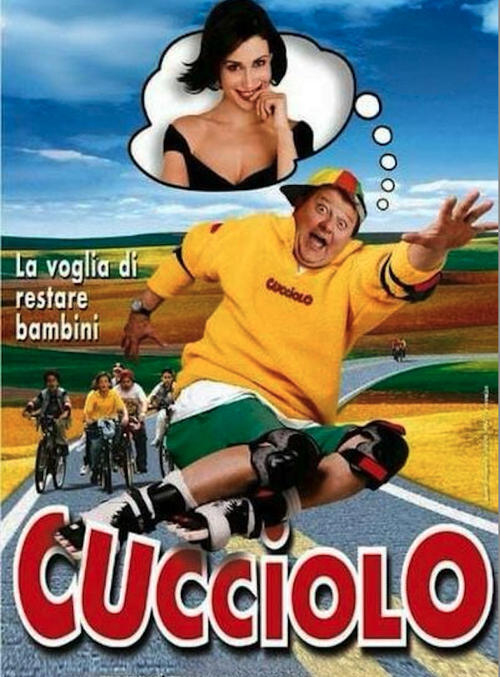
Cucciolo is a traditional Italian comedy that emphasizes domestic and developmental themes over social subversion. The narrative relies on established clichés, focusing on a protagonist's resistance to adulthood within a conventional family structure. The film lacks depth in representing multiple aspects of identity, offering little representation of LGBTQ+ identities or racial diversity. The setting appears homogeneous, reflecting a narrow social scope typical of mainstream genre comedies of its era. While the film touches on psychological themes, it treats developmental stagnation as a catalyst for comedy rather than exploring neurodivergence with real power. It ultimately reinforces traditional societal expectations and familial roles.
Category Breakdown
The film does not include any LGBTQ+ characters or stories that challenge the assumption that everyone is straight or cisgender. The plot revolves around traditional family dynamics involving a son and his parents.
The story focuses on a male protagonist who resists growing up. His mother plays a traditional caretaking role alongside his father, reinforcing conventional gender roles.
The movie reflects a homogeneous social environment. There is no indication of intentional racial blending or diverse casting in this Italian domestic setting.
The narrative examines social integration through a medicalized perspective. It emphasizes traditional familial responsibilities rather than critiquing Western institutions or social structures.
Peter Pan Syndrome is used as a comedic device. The story suggests that a 'shock' is necessary to bring the protagonist back to a state of normalcy.
Present on Screen
Limited or Absent
Official Synopsis
Massimo is forty-two years old, but has been attending eighth grade for thirty-two years, in short he is a teenager in all respects. In reality, Massimo has always refused, on an unconscious level, to grow up and become part of society. Amedeo and Lucia, Massimo's eighty-year-old parents, obviously worried, go to a doctor who explains to them that their son suffers from Peter Pan Syndrome. Only a big shock can bring him back to normal.
2013
1999
1992
2003
1996
2000

2001

1984
No reviews yet. Be the first to share your thoughts on this movie!
Use the rating form above to leave a star rating and optional review.