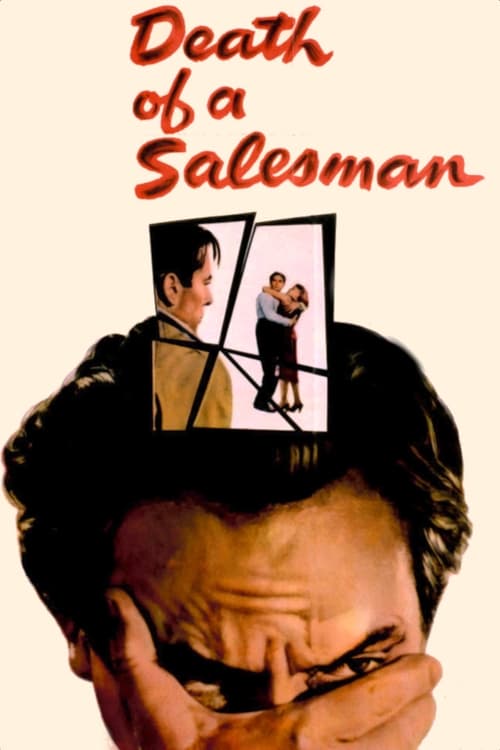
The Glass Menagerie
1950
No user ratings available yet
Representation score: 3.6 out of 10
Representation Score
Limited
1951
NRDirector
László Benedek
Runtime
115 minutes
Average Rating
No ratings yetNew Showbiz Analysis
László Benedek’s adaptation is a profound exploration of mid-century social structures. Though it lacks diverse representation, it excels in intellectually challenging the American Dream. The film uses Willy Loman’s mental decline to critique the societal demands that contribute to his downfall. However, the film remains confined to the social norms of its time, offering limited representation for LGBTQ+ individuals or racial minorities.
Category Breakdown
The film centers on a traditional family structure, with no representation of LGBTQ+ identities or non-cisgender genders.
Willy Loman embodies the central male figure, while Linda Loman upholds the traditional role of wife and mother. The film supports conventional gender roles but highlights the intense pressure on men to succeed financially.
The cast primarily consists of white actors, reflecting the film's focus on the white middle class. There is a notable absence of significant minority representation.
The narrative sharply criticizes capitalism and the American Dream, portraying Western institutions as harmful forces that cause psychological distress.
Willy Loman’s mental instability is a key theme, portrayed without caricature. His psychological issues are linked to broader socio-economic pressures.
Present on Screen
Limited or Absent
Official Synopsis
Willy Loman, an aging, failing salesman, struggles to accept reality and his failure to achieve the American Dream.
1950

1945

1952
1961

1961

1952
1948
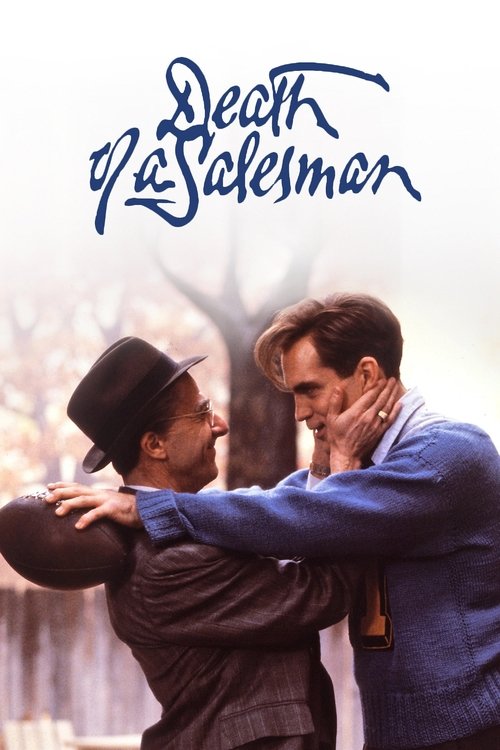
1985
No reviews yet. Be the first to share your thoughts on this movie!
Use the rating form above to leave a star rating and optional review.