
Curse of the Crimson Altar
1968
No user ratings available yet
Representation score: 0.4 out of 10
Representation Score
Limited
1963
Director
Robert Berry
Runtime
69 minutes
Average Rating
No ratings yetNew Showbiz Analysis
The on-screen inventory is defined by a small, all-white cast within a 1963 domestic horror framework. Elaine Hansen drives the psychological mystery through her dreams, while her husband and daughter provide static family context. This structure leaves no room for LGBTQ+ relationships, disability, or racial diversity. Cultural representation remains limited to the stability of the nuclear family. The narrative questions personal sanity and memory but does not address broader societal structures or institutional power. The absence of non-white actors and disabled characters reflects the era's typical production standards. The overall score of 18 reflects these specific absences. The film offers a clear, if narrow, view of 1960s domestic life. It presents a conventional gender dynamic where the female protagonist experiences the horror, while male and child characters anchor the reality.
Category Breakdown
No same-sex romance or queer characters appear in the synopsis or credits. The narrative focuses entirely on a writer’s psychological crisis and connected deaths. The domestic setting contains no related dialogue or relationships.
Pauline Elliott plays Elaine Hansen, the young writer protagonist. Robert Berry plays Lee Hansen, her husband. The plot centers on Elaine’s dreams and mental state, while Lee and their daughter Nancy serve as family anchors.
The cast list includes Pauline Elliott, Robert Berry, Charlene Bradley, and Lance Bird. No non-white actors are credited in the provided context. The story takes place in a private domestic setting without broader societal representation.
The film treats the family unit as the primary setting. Elaine, Lee, and Nancy Hansen navigate domestic life. Psychological horror elements question the stability of reality and memory, but traditional family structures remain the backdrop.
No character is depicted with a physical or mental disability as an ongoing trait. Elaine’s psychological distress functions as a plot device for the mystery. It does not represent lived disability or ongoing condition.
Present on Screen
Limited or Absent
Official Synopsis
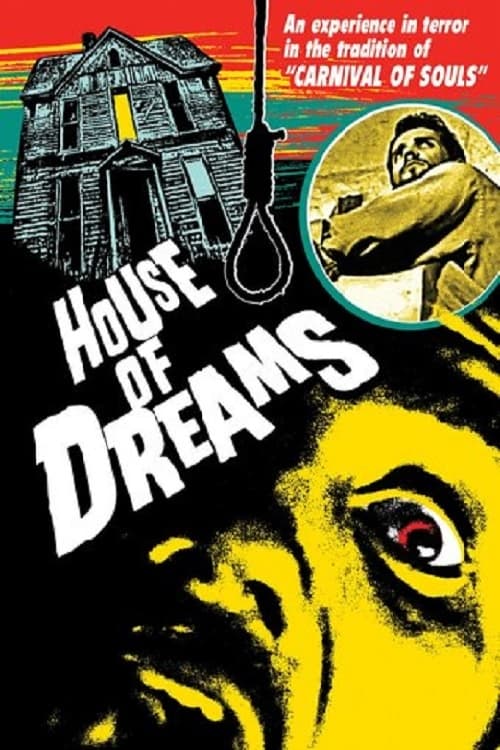
A young writer dreams of an odd house and sees many deaths connected with it. Where does reality end?
1968
1977

1982

1961
1981
1971
1982
1972
No reviews yet. Be the first to share your thoughts on this movie!
Use the rating form above to leave a star rating and optional review.