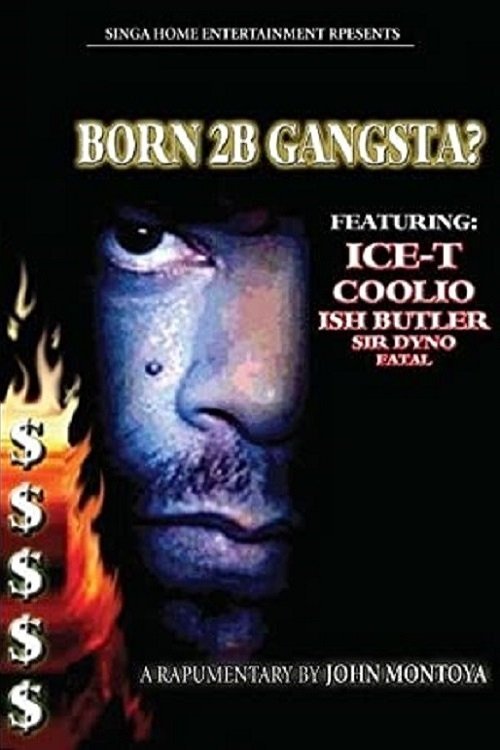
Born 2b Gangsta?
2006
No user ratings available yet
Representation score: 3.7 out of 10
No Poster Available
Representation Score
Good
1991
NOT RATEDDirector
Penelope Spheeris
Runtime
90 minutes
Average Rating
No ratings yetNew Showbiz Analysis
Rap's Most Wanted stands as a crucial document that challenges the traditional hierarchies of 1990s media. It excels by centering racial identity and providing a platform for voices opposing the mainstream cultural narrative. The film's main strength lies in its focus on subcultural ability to act and its critique of institutional authority. By highlighting artists facing censorship, it positions the rebel as a legitimate voice against corruption. However, the narrative lacks depth regarding gender and LGBTQ+ specifics. While female artists are present, the primary ability to act remains centered among the male artists featured in the credits.
Category Breakdown
The film mainly focuses on racial and socio-economic issues. There is no clear depiction of LGBTQ+ characters or critiques of the assumption that everyone is straight or cisgender.
Penelope Spheeris directs a documentary that disrupts the male-dominated genre. The inclusion of the female rap group H.W.A. brings female perspectives into a traditionally masculine space.
The documentary highlights Black voices and hip-hop culture. It centers the experiences of artists dealing with systemic racial tensions, challenging Anglo-centric norms.
The film critiques traditional Western institutions and explores systemic oppression. It questions the morality of mainstream legal and social structures.
There is no evident representation of physical or neurodivergent disabilities in this work.
Present on Screen
Limited or Absent
Official Synopsis
Documentery from 1991 where The 2 Live Crew, Chuck D (Public Enemy), Too Short, Ice-T, Geto Boys, H.W.A. drop real talk on different topics.
2006
1981
1995

2003

2004

2021

2004
2003
No reviews yet. Be the first to share your thoughts on this movie!
Use the rating form above to leave a star rating and optional review.