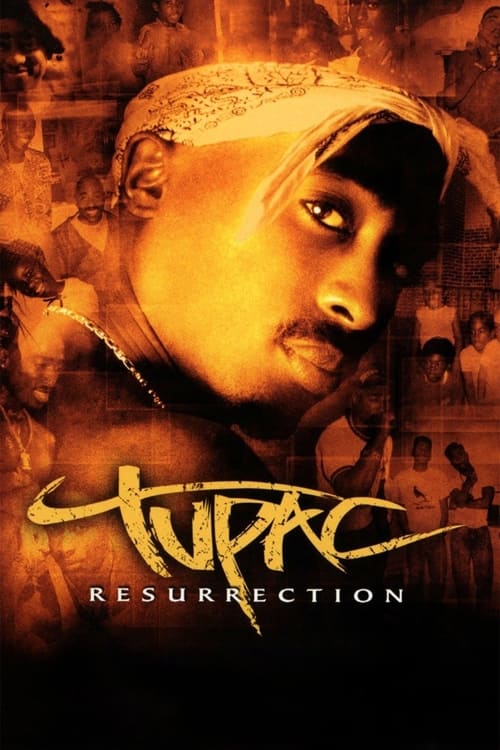
Tupac: Resurrection
2003
No user ratings available yet
Representation score: 8.6 out of 10
Representation Score
Fair
2021
RDirector
Emmett Malloy
Runtime
97 minutes
Average Rating
No ratings yetNew Showbiz Analysis
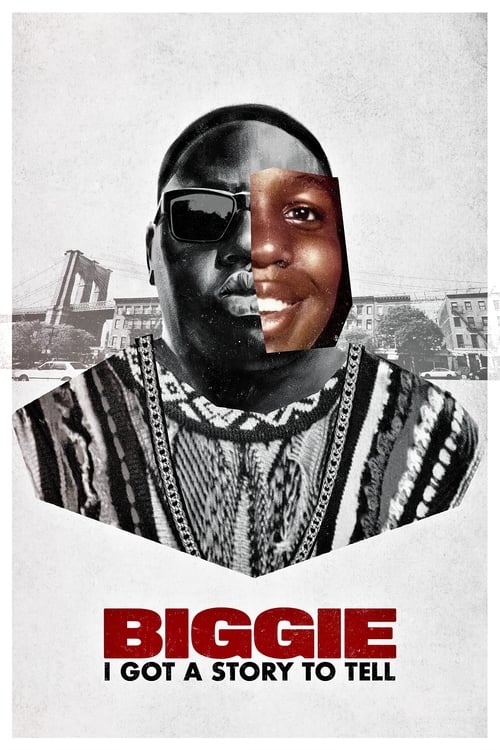
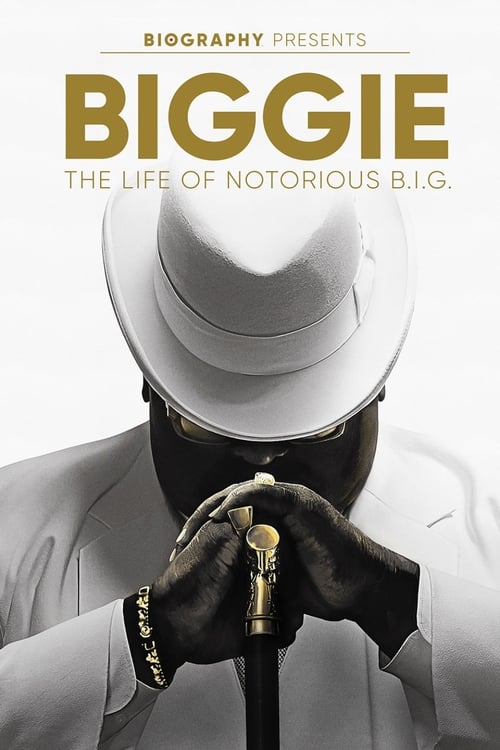
Biggie: I Got a Story to Tell functions as a crucial cultural record that emphasizes Black ability to act and historical context. By focusing on the life of Christopher Wallace, the film transcends surface-level clichés to provide a deeply contextualized portrait of a Black icon. However, the documentary adheres to conventional biographical structures that do not actively challenge gender hierarchies or engage with LGBTQ+ narratives. The emphasis remains on the male-dominated professional sphere of the hip-hop industry. Ultimately, the film's strength lies in its authentic portrayal of Black history and culture, offering a meaningful departure from homogeneous storytelling through personal testimony and archival footage.
Category Breakdown
The film does not explicitly address LGBTQ+ identities or narratives that critique the assumption that everyone is straight or cisgender.
The story primarily focuses on a male figure and his career path. While family members are included, the main focus is on male peers and collaborators within the hip-hop world.
The documentary highlights the achievements and cultural impact of African American artists. It emphasizes Black ability to act and history, providing a nuanced look at identity through exclusive behind-the-scenes footage.
The film delves into the intricacies of life within a specific urban subculture. It centers on lived experiences and subjective truths, prioritizing community history over traditional Western institutional ideals.
The film does not specifically address the portrayal of physical or neurodivergent disabilities.
Present on Screen
Limited or Absent
Official Synopsis
Christopher Wallace, AKA The Notorious B.I.G., remains one of Hip-Hop’s icons, renowned for his distinctive flow and autobiographical lyrics. This documentary celebrates his life via rare behind-the-scenes footage and the testimonies of his closest friends and family.
2003
2017
2019
2018
2017

2017
2007
2012
No reviews yet. Be the first to share your thoughts on this movie!
Use the rating form above to leave a star rating and optional review.