Something from Nothing: The Art of Rap
2012
No user ratings available yet
Representation score: 7.5 out of 10
Representation Score
Excellent
2004
Director
Dana Heinz Perry, Richard Lowe
Runtime
300 minutes
Average Rating
No ratings yetNew Showbiz Analysis
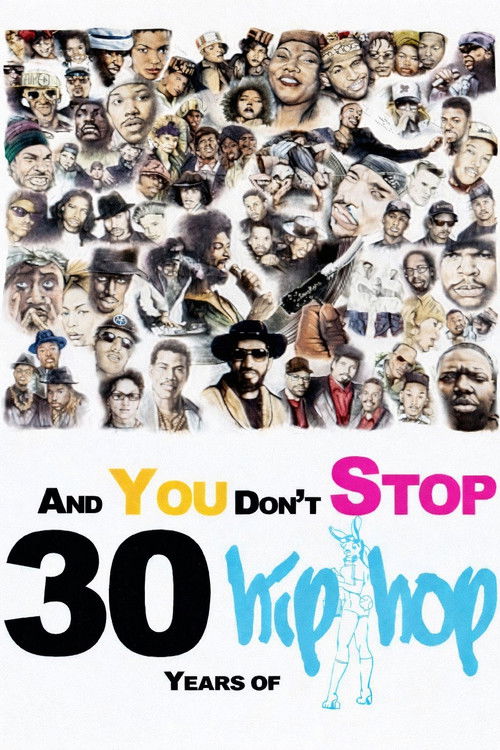
And You Don't Stop: 30 Years of Hip-Hop serves as a vital cultural archive that prioritizes the voices of the creators themselves. It succeeds most prominently in its centering of racial ability to act, treating Black artists as active architects of their own history rather than passive subjects. The film's strength lies in its sophisticated deconstruction of systemic power dynamics and its refusal to apply traditional Western moral frameworks to urban subcultures. By focusing on the socioeconomic realities of the movement, it provides a profound exploration of identity-based ability to act. However, the documentary's focus on the specific historical pillars of hip-hop limits its multi-layered visibility. The lack of explicit representation for LGBTQ+ identities and visible disabilities prevents a higher overall diversity score.
Category Breakdown
The film focuses on the foundational pillars of hip-hop, which historically centered on straight relationships. It does not explicitly center queer narratives or non-cisgender identities.
The documentary examines gendered power dynamics by highlighting female pioneers. Artists like Queen Latifah and Salt-N-Pepa are shown reclaiming control within a male-dominated industry.
The film excels by centering the African American experience and the Black diaspora. It positions Black artists as the primary architects of the culture through a non-Anglo-Saxon majority cast.
The narrative critiques traditional Western institutions by framing hip-hop as a response to systemic neglect. It views the genre through a sociological lens rather than a moralistic one.
There is no explicit focus on neurodivergence or visible physical disabilities. The film touches on the mental tolls of urban survival, but disability remains a secondary theme.
Present on Screen
Limited or Absent
Official Synopsis
The film documents the development of hip hop culture since its inception in the 1970s. With interviews from various figures in the community such as Afrika Bambaataa, Grandmaster Flash, Fab 5 Freddy, KRS-One, MC Hammer and Busy Bee.
2012
2018
2008
2003

2002
2021
2001
2005
No reviews yet. Be the first to share your thoughts on this movie!
Use the rating form above to leave a star rating and optional review.