
Begin the Beguine
1982
No user ratings available yet
Representation score: 2.1 out of 10
Representation Score
Fair
1974
Director
Malvina Urșianu
Runtime
106 minutes
Average Rating
No ratings yetNew Showbiz Analysis
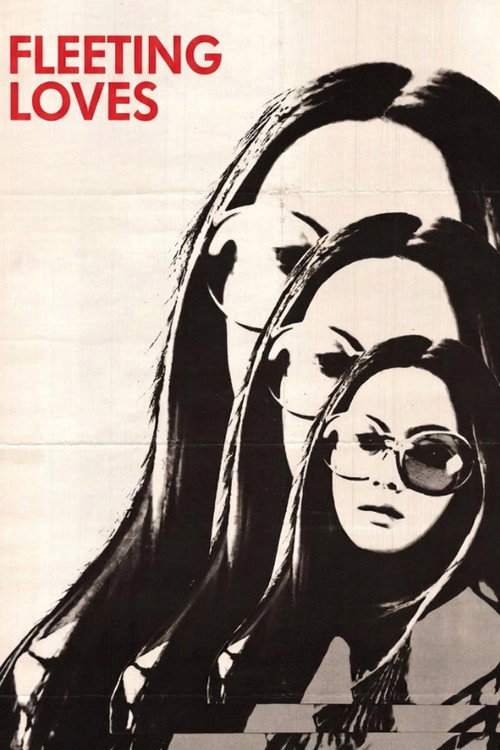
Fleeting Loves is a character-driven period drama that prioritizes themes of nostalgia and mortality over social disruption. The narrative centers on a male architect's return to Romania, using his personal history to explore the friction between international identity and ancestral roots. The film provides a nuanced look at how national restructuring and modernization affect individuals. It captures the transition between urban development and traditional village life, offering a specific cultural immersion into the Romanian experience of the 1970s. However, the work lacks depth in reflecting multiple aspects of identity. The storytelling follows traditional romantic and gendered structures, focusing on straight-centered relationships and a male-driven perspective, which limits its commitment to inclusion.
Category Breakdown
The film focuses on the protagonist's romantic history with women but does not include any non-traditional gender identities or critiques of the assumption that everyone is straight or cisgender.
Women play a central role in the protagonist's emotional journey, but the story is driven by the male architect's perspective, suggesting a conventional, male-centric approach to romantic storytelling.
The film offers a localized immersion into 1970s Romanian life, exploring the cultural divide between urban architectural progress and traditional village landscapes.
The film examines the tension between individual longing and large-scale societal transformations, highlighting the impact of modernization on traditional Romanian structures and rural life.
The protagonist faces an incurable disease that drives his character arc, but it remains unclear if the illness gives him real power or serves as a tragic plot device.
Present on Screen
Limited or Absent
Official Synopsis
A Romanian architect who married abroad reunites with his birthplace, with those he met, with the women he loved, with the echoes of what happened once, with the great transformations that are taking place in the Capitol, on construction sites and in Romanian villages. Condemned by an incurable disease, but also overwhelmed by these realities and by the irrepressible longing for his homeland, the hero decides to return home for good.
1982
1970
1977
1965

1970

1974
1987
1978
No reviews yet. Be the first to share your thoughts on this movie!
Use the rating form above to leave a star rating and optional review.