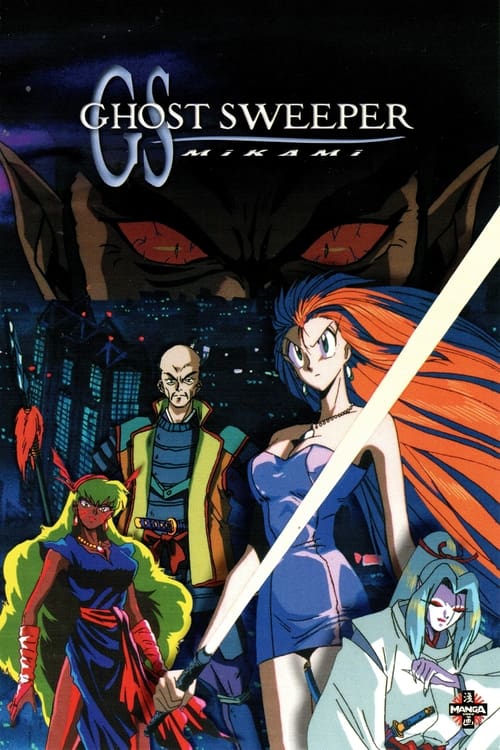
Ghost Sweeper Mikami
1994
No user ratings available yet
Representation score: 6.6 out of 10
Representation Score
Excellent
2013
Director
Kazuto Nakazawa
Runtime
28 minutes
Average Rating
No ratings yetNew Showbiz Analysis
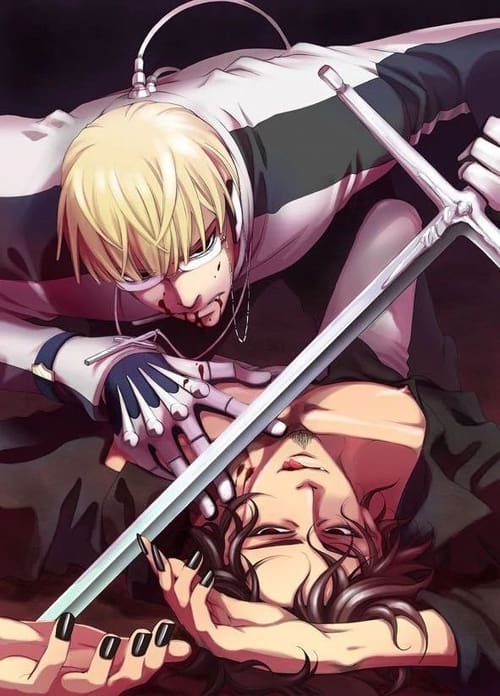
Vassalord succeeds in challenging traditional power structures, particularly through its critique of religious institutions and its non-traditional interpersonal dynamics. The central bond between the protagonists offers a compelling, queer-coded alternative to standard companionship models. However, the narrative's focus on supernatural archetypes leaves its approach to racial and ethnic diversity largely unexamined. While the cyborg elements touch on themes of physical alterity, the depth of these explorations remains uncertain. Ultimately, the work excels at deconstructing established authority but lacks the specific evidence needed to confirm high-level multi-layered complexity.
Category Breakdown
The central relationship between Charley and Johnny Rayflo features a master-servant dynamic that challenges traditional heterosexual norms. This complex, non-traditional intimacy provides a foundation for exploring queer-coded character studies.
The series moves away from traditional masculine archetypes by focusing on a cyborg vampire and a playboy. A childlike vampire princess suggests that power can exist outside of patriarchal structures.
The narrative focuses on supernatural archetypes and religious institutions rather than ethnic identity. There is insufficient evidence to confirm a diverse or non-Anglo-Saxon majority cast.
The story critiques Western institutional authority by portraying the Vatican as an entity that requires dirty work. Themes of sacrilege challenge traditional religious morality through a postmodern lens.
Charley’s identity as a cyborg vampire introduces themes of bodily modification and post-humanism. It remains unclear if these traits give the character a significant role in the story or if they serve primarily as aesthetic devices.
Present on Screen
Limited or Absent
Official Synopsis
Charley, a cyborg vampire who does the Vatican's dirty work, is the thrall of the local vampire playboy Johnny Rayflo. As the two fight crime—and each other—hilarity, violence and sacrilege ensue! But can Charley resist his own desperate cravings for blood? Find out as the devilish duo go up aginst a childlike vampire princess, a mysterious branch of the Unitarian Church...and one another.
1994
2016
1988
2005

2024
2016
1990
2007
No reviews yet. Be the first to share your thoughts on this movie!
Use the rating form above to leave a star rating and optional review.