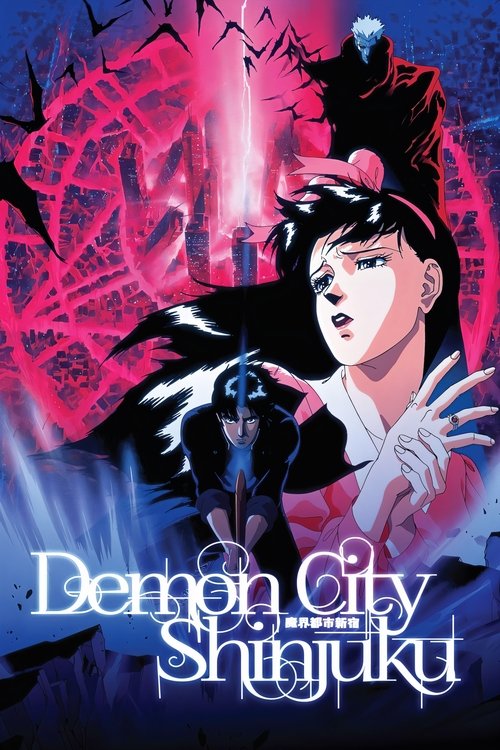
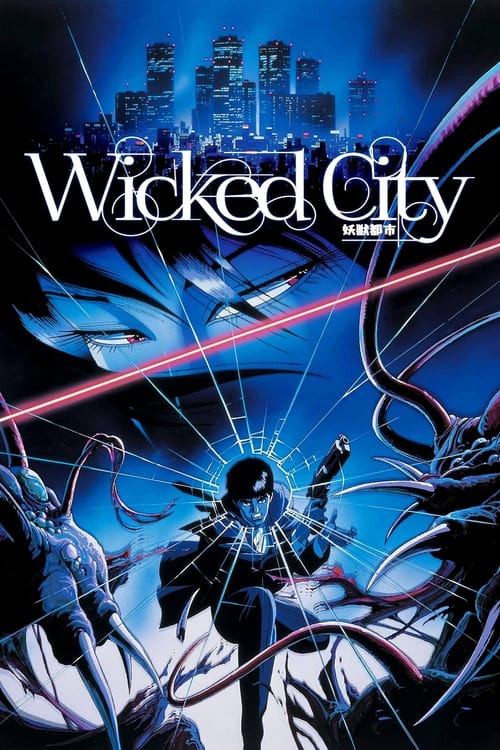
Demon City Shinjuku
1988
No user ratings available yet
Representation score: 2.8 out of 10
Representation Score
Excellent
1988
Not RatedDirector
Toshiki Hirano
Runtime
100 minutes
Average Rating
No ratings yetNew Showbiz Analysis
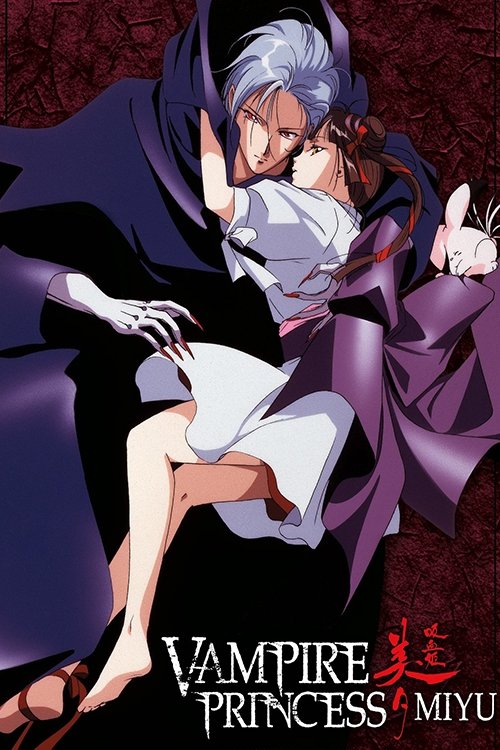
Vampire Princess Miyu stands out for its subversion of traditional power structures and moral binaries. By placing a female protagonist at the center with absolute authority, the film avoids the 'damsel in distress' cliché. The narrative also challenges simplistic good versus evil by presenting supernatural entities with complexity and nuance. This creates a sophisticated, melancholic atmosphere that goes beyond standard storytelling conventions. Though the film lacks racial diversity and explicit disability representation, its exploration of social alienation and unconventional emotional bonds offers a progressive stance for a 1988 production.
Category Breakdown
The relationship between Miyu and Larva challenges typical heterosexual norms by emphasizing a deep emotional connection outside conventional romance. This bond invites a queer interpretation by focusing on a strong connection that transcends traditional relationships.
Miyu breaks down traditional gender roles by being a powerful, independent character who drives the story. She is not just a passive figure but a central force with lethal authority.
The film is set in a primarily Japanese context, showing limited diversity in racial representation. While it avoids whitewashing, the narrative focuses mainly on a single cultural perspective with few characters representing different backgrounds.
The film portrays monsters as complex, nuanced beings rather than purely evil entities. It emphasizes subjective morality and existential questions over strict religious doctrine, creating a rich, thought-provoking atmosphere.
Physical or neurodivergent disabilities are not explicitly addressed. However, Miyu's marginal status in society serves as a metaphor for social isolation and exclusion.
Present on Screen
Limited or Absent
Official Synopsis
Its central characters are a vampire girl named Miyu and her demonic companion Larva. Miyu is the daughter of both a human and a shinma (demon) and as such she was awakened as the guardian whose destiny is to hunt down all stray shinma and send them back to the darkness.
1988

1985
1990
2000
2016
2013
2004
1987
No reviews yet. Be the first to share your thoughts on this movie!
Use the rating form above to leave a star rating and optional review.