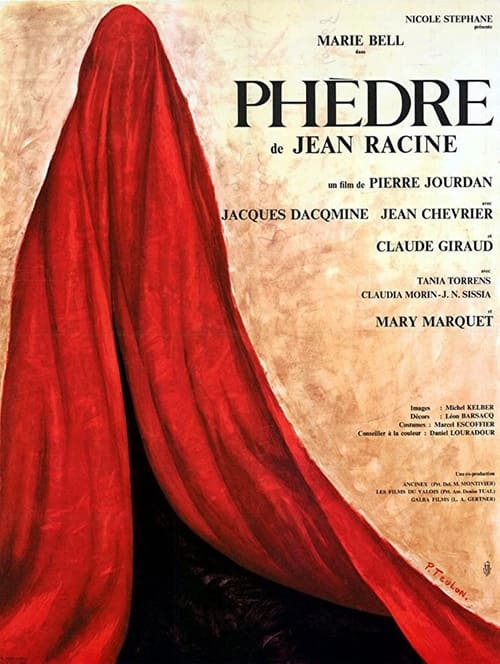
Phèdre
1968
No user ratings available yet
Representation score: 2.3 out of 10
Representation Score
Fair
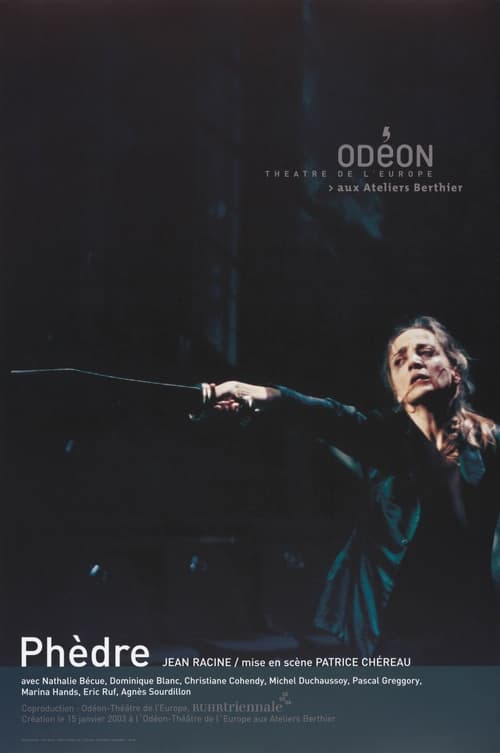
2003
Director
Stéphane Metge
Average Rating
No ratings yetNew Showbiz Analysis
Phèdre is a character study that shifts the focus of power toward feminine interiority and emotional complexity. By centering Phèdre's autonomy and passion, the film challenges traditional masculine authority and the sanctity of the family unit. However, the film remains limited by its adherence to classical European casting and mythological frameworks. The lack of diverse representation and reliance on traditional clichés for mental distress restrict its broader social impact. Ultimately, the work delves deeply into human nature and desire, staying within the bounds of a homogeneous, historical aesthetic.
Category Breakdown
The story focuses on romantic tensions that disrupt traditional family structures, but it does not include explicit LGBTQ+ identities or dynamics. It lacks non-binary or same-sex relationships.
Phèdre challenges traditional gender roles by taking a leading role in driving the story's emotional turmoil. Male characters often react to the intense emotions stirred up by the female lead.
The production maintains a homogeneous look consistent with a classic French adaptation. There is no evidence of diverse casting or a non-Anglo-Saxon majority cast.
The film portrays the royal family as a site of betrayal and internal conflict, exploring human nature through a mythological lens rather than modern structures.
Psychological distress is portrayed through classical clichés of madness or divine affliction. The film lacks nuanced depictions of neurodivergence or characters with disabilities having independent ability to act.
Present on Screen
Limited or Absent
Official Synopsis
Hèdre is queen but doesn't love the king. She prefers his son Hippolytus, whom he had from a first marriage, to Theseus. A guilty love, hidden by feigned hatred, that makes her suffer and perish, and that she can't keep from confessing as soon as she hears of the king's death. But Hippolyte doesn't love her. And the monarch is only wounded. Ashamed, the queen can no longer look at him. Oenone, her confidante, tries to save her by making the king believe that the outrage comes from his son. Fanned by Theseus, the fury of the gods strikes Hippolytus. The adulteress kills herself.
1968
1967

1956
1974

1990

2009
1999
1973
No reviews yet. Be the first to share your thoughts on this movie!
Use the rating form above to leave a star rating and optional review.