
Perceval
1978
No user ratings available yet
Representation score: 5.0 out of 10
Representation Score
Fair
1974
Director
Robert Bresson
Runtime
85 minutes
Average Rating
No ratings yetNew Showbiz Analysis
Robert Bresson’s deconstruction of the Arthurian mythos prioritizes psychological complexity over traditional heroic clichés. The film succeeds in challenging the idealized stability of the knightly tradition by focusing on moral ambiguity and human error. However, the work remains limited by its historical setting, lacking modern multi-layered markers. The narrative is largely centered on a homogeneous, Western-centric group, which restricts its breadth of representation. Ultimately, the film's strength lies in its refusal to present a perfect, institutionalized version of Camelot, choosing instead to explore the instability of its social and moral structures.
Category Breakdown
The story revolves around the tension between Lancelot, Guinevere, and Arthur, focusing on heterosexual relationships. There is no indication of LGBTQ+ identities or same-sex intimacy, as the plot centers on marital infidelity.
Guinevere plays a central role in driving the narrative conflict rather than being a passive figure. Her significant role in the story occurs within a patriarchal structure.
The film follows traditional Western historical depictions of the Arthurian era. The narrative focuses on a homogeneous group of knights without evidence of diverse ethnic casting.
The film avoids a celebratory view of medieval chivalry by framing the Holy Grail quest as a failure. It highlights the human frailty within sacred institutions like Camelot.
There is no discernible focus on physical or neurodivergent disabilities within the provided narrative.
Present on Screen
Limited or Absent
Official Synopsis
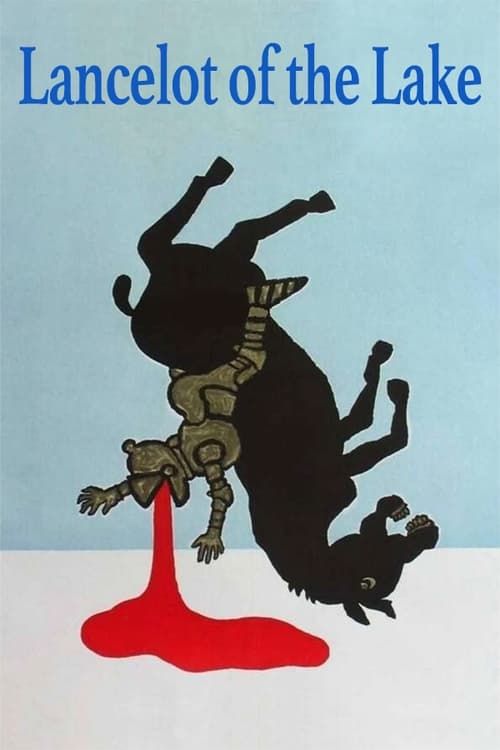
Having failed in their quest for the Holy Grail, the knights of the Round Table return to Camelot, their number reduced to a mere handful. Seeing a rift developing between Lancelot and Mordred, Arthur urges his knights to bury their differences and become friends. However, the king is unaware that Lancelot is having an affair with his queen, Guinevere. Lancelot is torn between his duty to his king and his love for the queen, whilst Mordred is determined to use his infidelity to destroy him.
1978
1986
1951

1956
1968
1965
2006
1969
No reviews yet. Be the first to share your thoughts on this movie!
Use the rating form above to leave a star rating and optional review.