Once Before I Die
1966
No user ratings available yet
Representation score: 2.6 out of 10
Representation Score
Limited
1967
ApprovedDirector
Don Weis
Runtime
100 minutes
Average Rating
No ratings yetNew Showbiz Analysis
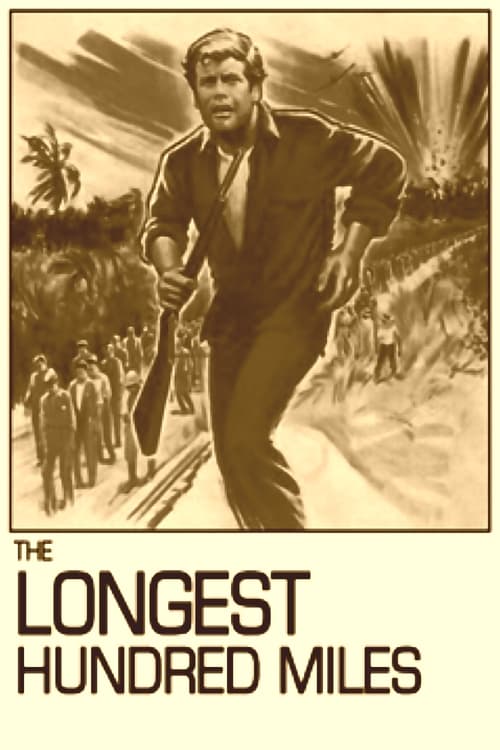
The Longest Hundred Miles operates as a typical mid-century war drama. It uses a diverse group of refugees to drive its survival plot, but it does so through well-known genre clichés rather than through a lens of social deconstruction. The historical setting of the Japanese invasion of the Philippines provides natural ethnic variety. However, the narrative structure prioritizes traditional moral frameworks and standard character types common to 1960s broadcast media.
Category Breakdown
The film does not explicitly show any non-binary gender identities. Its narrative focuses on survival within the social norms of 1967 television.
An Army nurse adds a female presence among the refugees, but her role seems to follow traditional 1960s caregiver stereotypes rather than challenging gender hierarchies.
The Philippine setting requires a diverse cast including local and Western characters. However, it is unclear if local characters have significant roles or just serve as a backdrop.
The inclusion of a priest highlights traditional religious values. The film emphasizes community duty and moral frameworks rather than secular or anti-institutional themes.
There is no information about the depiction of physical or neurodivergent disabilities in this production.
Present on Screen
Limited or Absent
Official Synopsis
During the Japanese invasion of the Philippines, an assorted group of refugees, including an American soldier, an Army nurse, a priest and a group of local children, try to make their getaway aboard a rattletrap, creaky bus.
1966
1959

1969
1956
1950
1963

1966

1945
No reviews yet. Be the first to share your thoughts on this movie!
Use the rating form above to leave a star rating and optional review.