Picador Porky
1937
No user ratings available yet
Diversity score: 2.2 out of 10
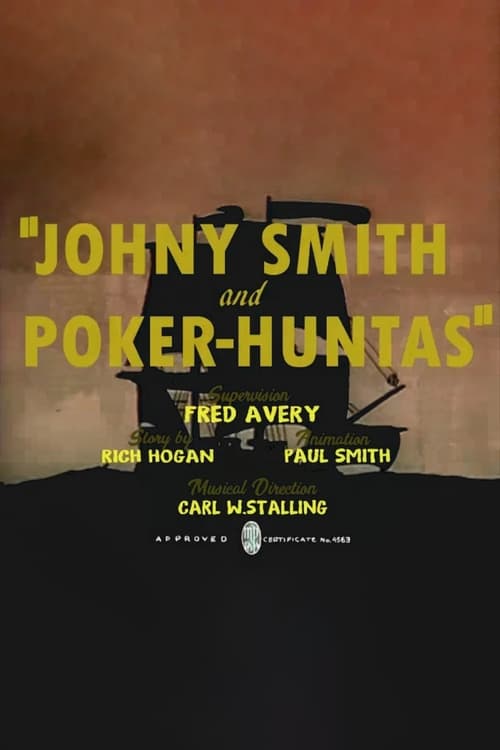
1938
Director
Tex Avery
Runtime
8 minutes
Average Rating
No ratings yetSynopsis
Johnny Smith enters an America where the Indians behave like 1930s average Americans. When he is arrested, the girl Poker Huntas rescues and elopes with him.
Overall Score
Limited
Category Breakdown
LGBTQ+ Representation
The story follows a traditional romantic arc centered on elopement. There is no evidence of queer subtext or non-cisnormative identities present in the narrative.
Gender Representation
Poker Huntas displays agency by rescuing the protagonist and initiating their elopement. However, the plot still functions within conventional romantic paradigms.
Racial & Ethnic Diversity
Indigenous characters are depicted as average 1930s Americans rather than historical archetypes. This disrupts standard era tropes by placing them in a contemporary social framework.
Religious & Cultural Diversity
The narrative focuses on individualist romanticism and navigating social institutions. It lacks evidence of systemic or secular critique, leaning into the era's social norms.
Disability Representation
There is no information available regarding the depiction of neurodivergent or physical disability.
Strengths
Areas for Improvement
AI Analysis
Tex Avery’s work presents a surrealist social mirror by transplanting Indigenous populations into a 1930s domestic setting. This departure from the 'primitive' tropes common in the era provides a unique, if satirical, narrative displacement. While the film disrupts certain racial archetypes, the core structure remains tethered to traditional hierarchies. The romantic elements and social frameworks follow the standard heteronormative and individualist patterns of the period. Ultimately, the film occupies a transitional space, offering a slight subversion of racial stereotypes while maintaining conventional gender and social roles.
1937
1950
1945
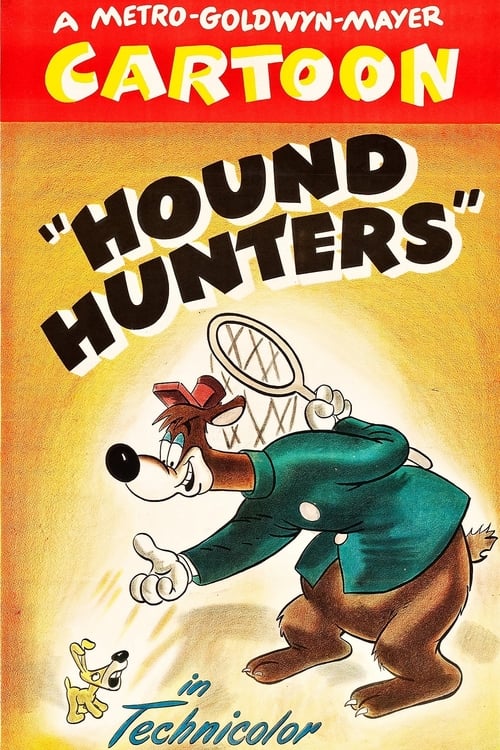
1947
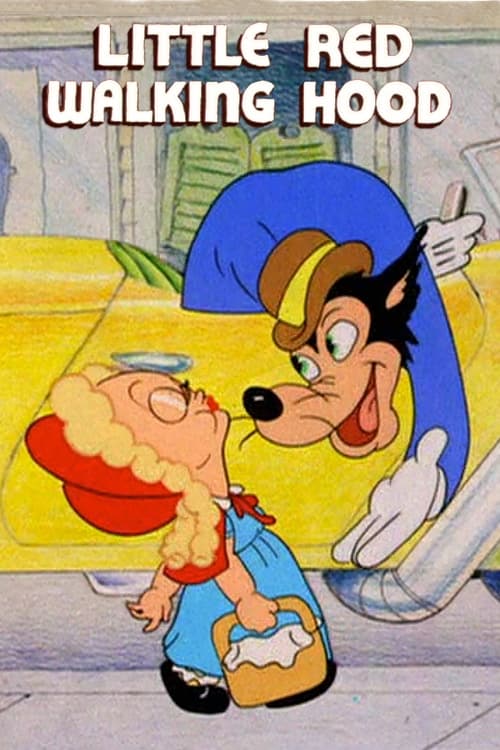
1937
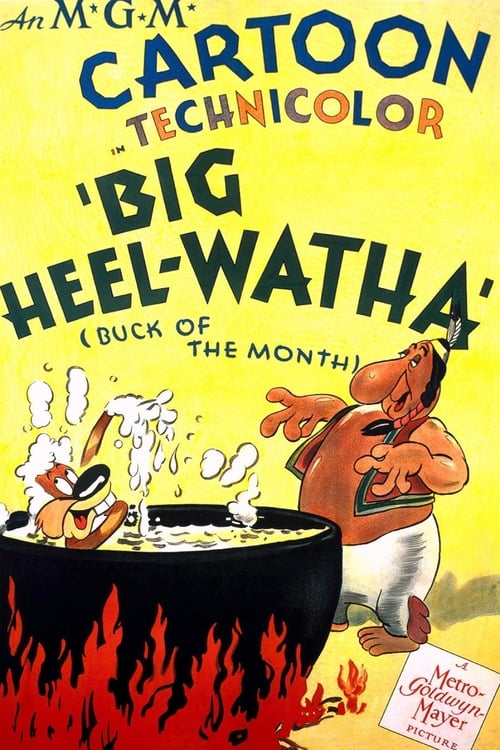
1944
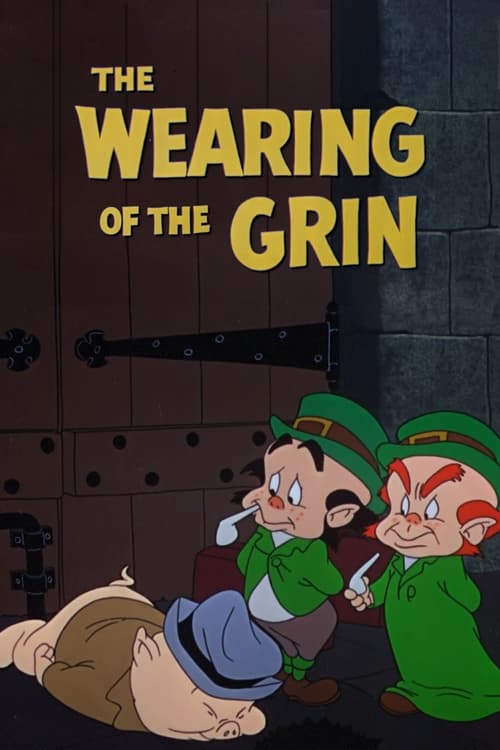
1951
1948

1939
1945
1939
1945
No reviews yet. Be the first to share your thoughts on this movie!
Use the rating form above to leave a star rating and optional review.