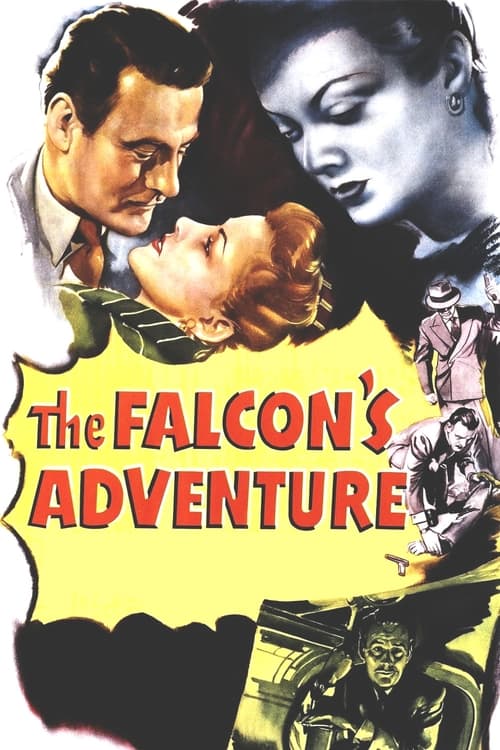
The Falcon's Adventure
1946
No user ratings available yet
Diversity score: 2.2 out of 10
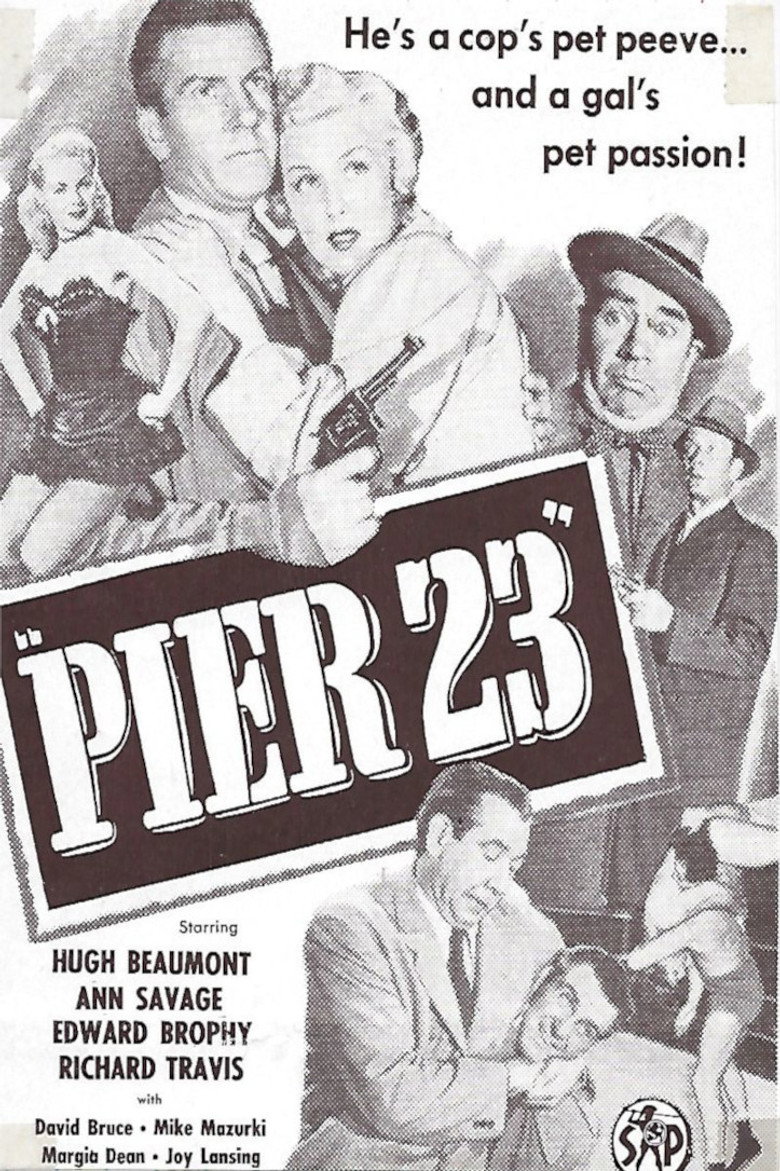
1951
Director
William Berke
Runtime
58 minutes
Average Rating
No ratings yetSynopsis
Pier 23 was one of three hour-long mysteries produced by Lippert Productions for both TV and theatrical release. Each of the three films was evenly divided into two half-hour "episodes," and each starred Hugh Beaumont as San Francisco-based amateur sleuth Dennis O'Brien. In Pier 23, O'Brien first tackles the case of a wrestler who has died of a suspicious heart attack after refusing to lose a match. He then agrees to help a priest talk an escaped criminal into returning to prison. The film's two-part structure leads to repetition and predictability, but it's fun to watch TV's "Ward Cleaver" making like Philip Marlowe.
Overall Score
Limited
Category Breakdown
LGBTQ+ Representation
The film operates within the strict social constraints of 1951. There is no evidence of non-cisnormative identities or critiques of heteronormativity.
Gender Representation
Agency is concentrated in male characters, specifically the protagonist Dennis O'Brien. The narrative architecture reinforces traditional mid-century gender roles.
Racial & Ethnic Diversity
The film reflects the homogeneous casting practices typical of early 1950s productions. There is no indication of significant racial blending or non-white agency.
Religious & Cultural Diversity
The plot integrates with traditional religious frameworks through the inclusion of a priest. It emphasizes established social stability and institutional authority.
Disability Representation
A suspicious heart attack serves as a functional plot device. There is no evidence of characters with disabilities possessing nuanced agency.
Strengths
Areas for Improvement
AI Analysis
Pier 23 functions as a standard crime procedural that prioritizes traditional investigative tropes. The narrative centers on a male amateur sleuth navigating moral dilemmas within established social and institutional norms of the early 1950s. The film reinforces the status quo rather than disrupting social hierarchies. It relies on conventional structures, such as law and religious mediation, to drive the plot forward. Ultimately, the work is a product of its historical moment, offering little in the way of diverse representation or social subversion.
1946
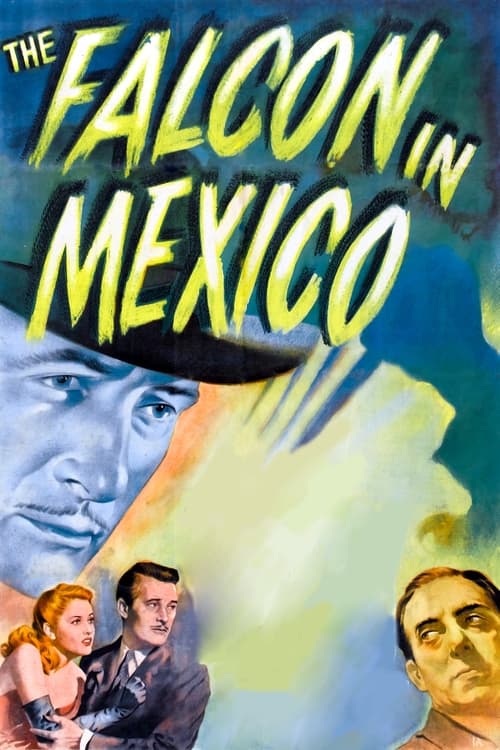
1944
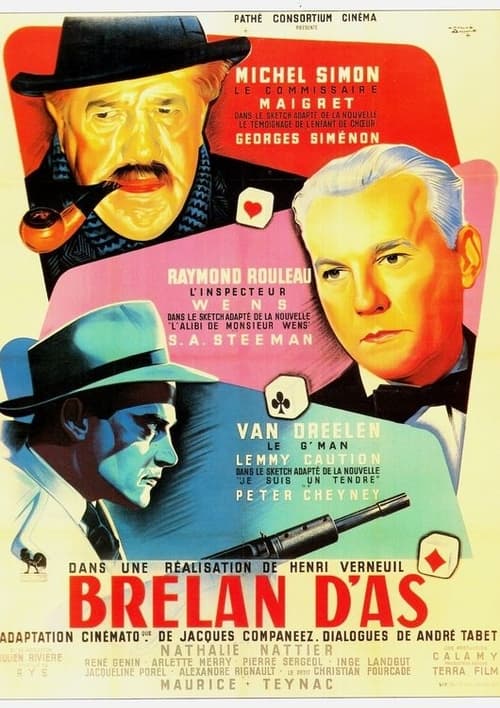
1952
1946
1941
1934
1952
1940
1944

1945
1946
1941
No reviews yet. Be the first to share your thoughts on this movie!
Use the rating form above to leave a star rating and optional review.