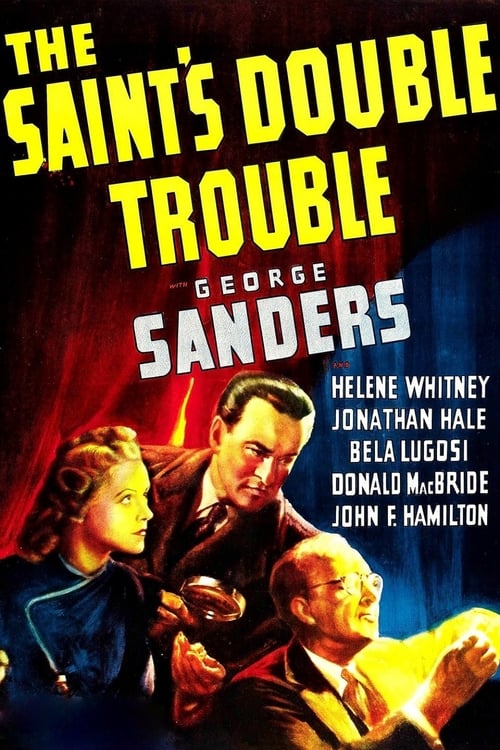
The Saint's Double Trouble
1940
No user ratings available yet
Diversity score: 1.6 out of 10

1941
NRDirector
Jack Hively
Runtime
66 minutes
Average Rating
No ratings yetSynopsis
George Sanders makes his final appearance as crook-turned-detective Simon Templar, a.k.a. "The Saint," in The Saint in Palm Springs. The gimmick in this one is a set of rare stamps, smuggled from England. Wendy Barrie is the true heir to this treasure, and the Saint is engaged to protect her and the stamps. Our hero meets Barrie in a posh Palm Springs resort, where a gang of homicidal thieves have converged to relieve the girl of her inheritance. Three murders and one kidnapping attempt later, the villains are foiled by the Saint, with the aid of his onetime partner in crime Pearly Gates (Paul Guilfoyle). The Saint in Palm Springs is the sixth in RKO's series of films based on the character created by Leslie Charteris.
Overall Score
Limited
Category Breakdown
LGBTQ+ Representation
The film follows a traditional romantic trajectory between the protagonist and the female lead. It lacks any evidence of non-cisnormative identities or critiques of heteronormativity.
Gender Representation
The story utilizes a standard damsel-in-distress framework. While Wendy Barrie is central to the plot, the male lead drives the action and provides the primary protection.
Racial & Ethnic Diversity
The narrative focuses on Anglo-Saxon characters and Western wealth within a posh resort setting. The cast appears to reflect the era's tendency toward homogeneous, white-centric casting.
Religious & Cultural Diversity
The film reinforces traditional Western values regarding property and class distinctions. It centers its moral framework on the restoration of order through a singular hero.
Disability Representation
There is no mention of characters with visible or invisible disabilities in this production.
Strengths
Areas for Improvement
AI Analysis
The Saint in Palm Springs is a conventional 1941 mystery that adheres strictly to the social and cinematic constraints of its era. The narrative relies on established genre tropes, prioritizing a standard mystery structure over any form of social deconstruction. Representation is limited by the film's focus on high-society Western values and traditional gender hierarchies. The plot is driven by a male hero protecting a female lead, reinforcing mid-century norms rather than challenging them. Ultimately, the film lacks intersectional complexity. It functions as a standard studio genre piece that maintains the status quo of its time through homogeneous casting and traditional character roles.
1940
1940

1945
1944
1936
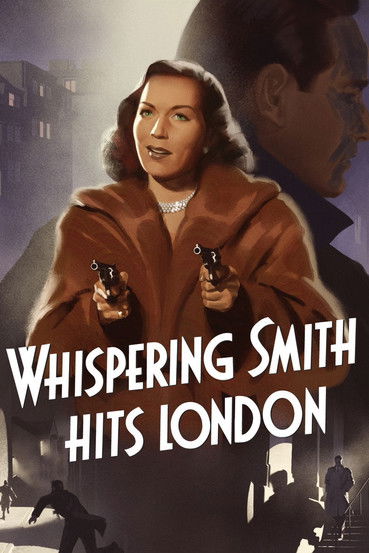
1952
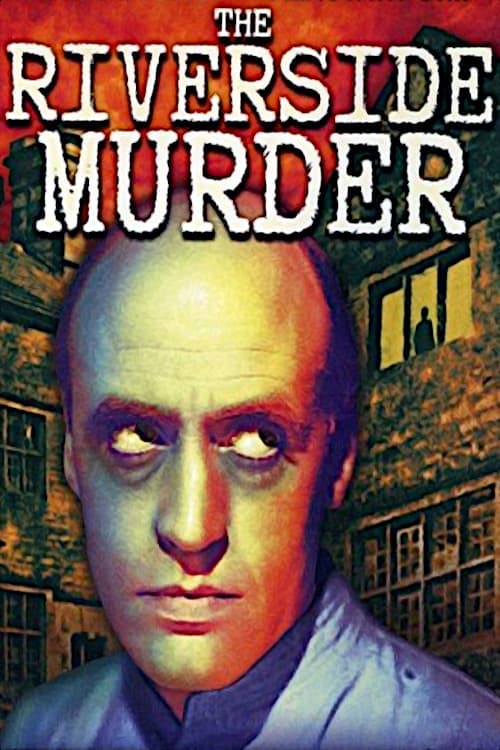
1935
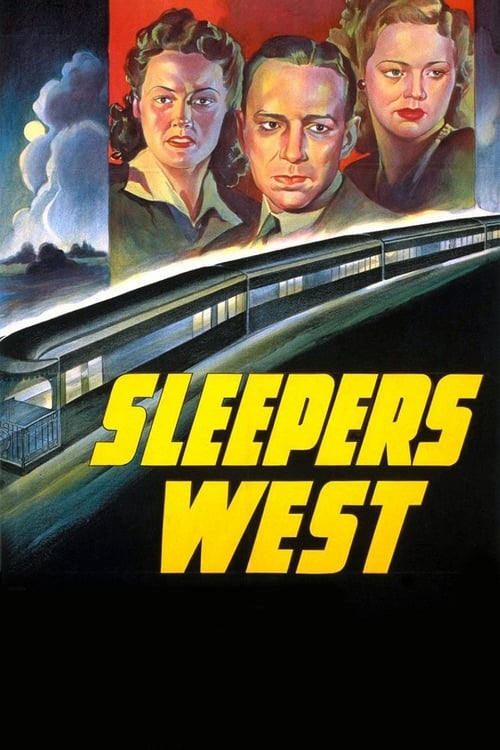
1941
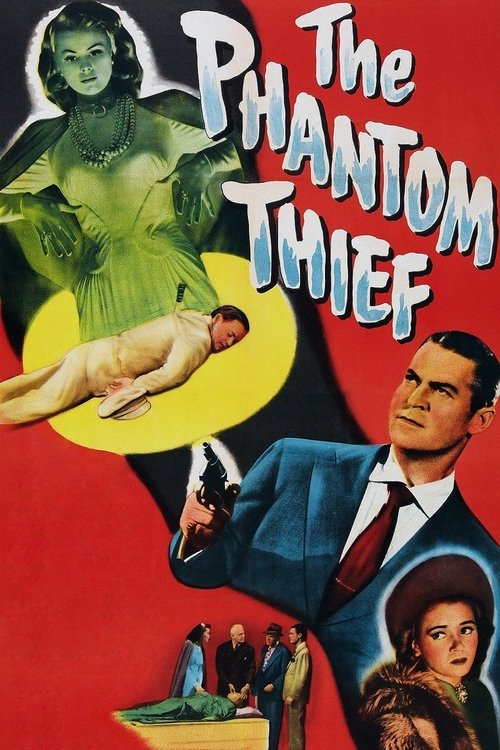
1946
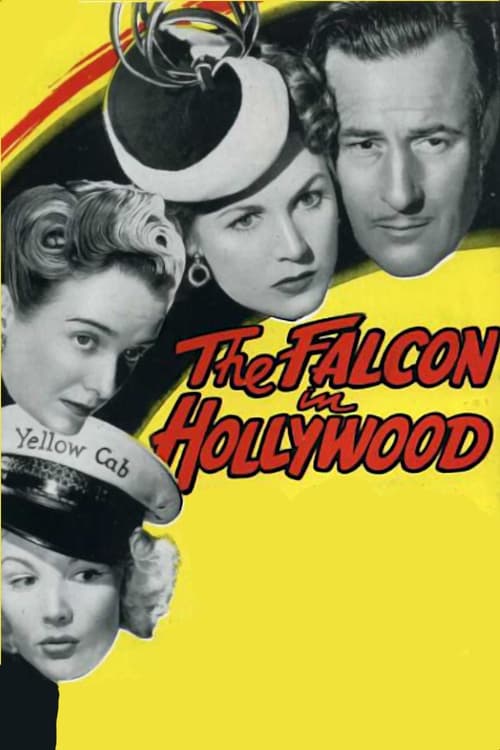
1944
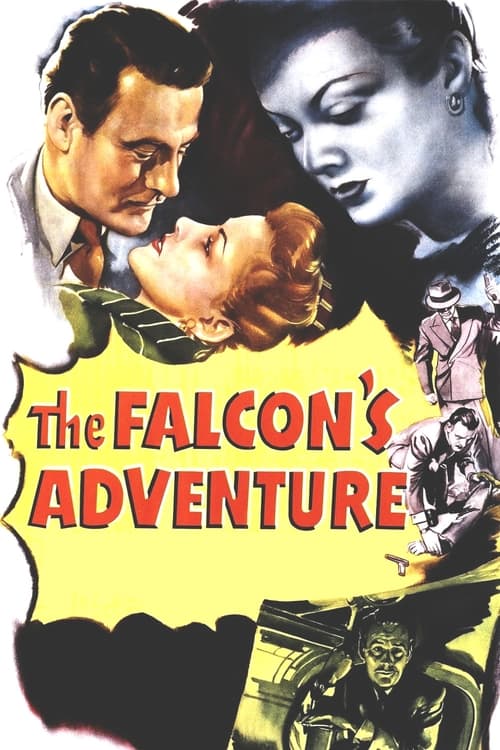
1946
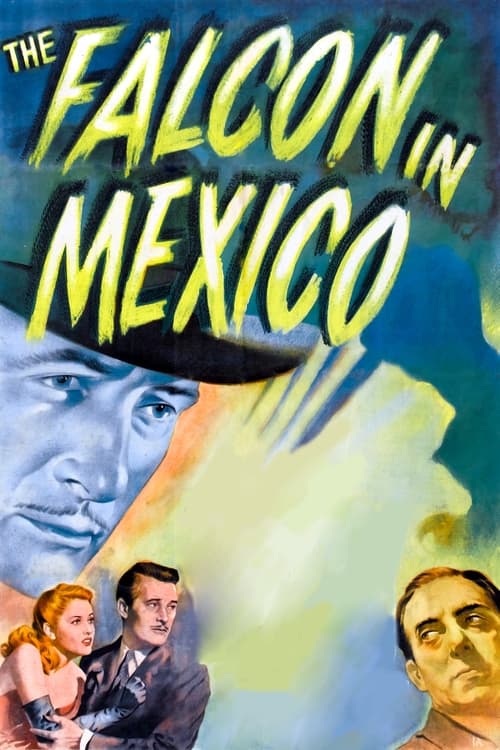
1944
No reviews yet. Be the first to share your thoughts on this movie!
Use the rating form above to leave a star rating and optional review.