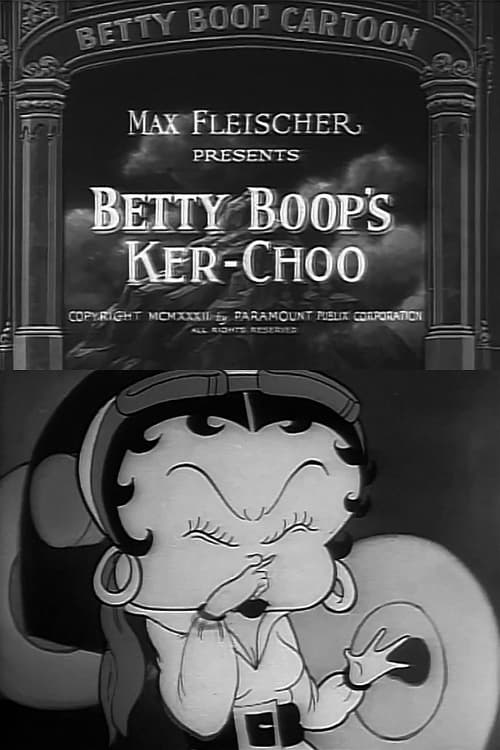
Betty Boop's Ker-Choo
1933
No user ratings available yet
Representation score: 0.4 out of 10
Representation Score
Limited
1934
Director
Dave Fleischer
Runtime
6 minutes
Average Rating
No ratings yetNew Showbiz Analysis
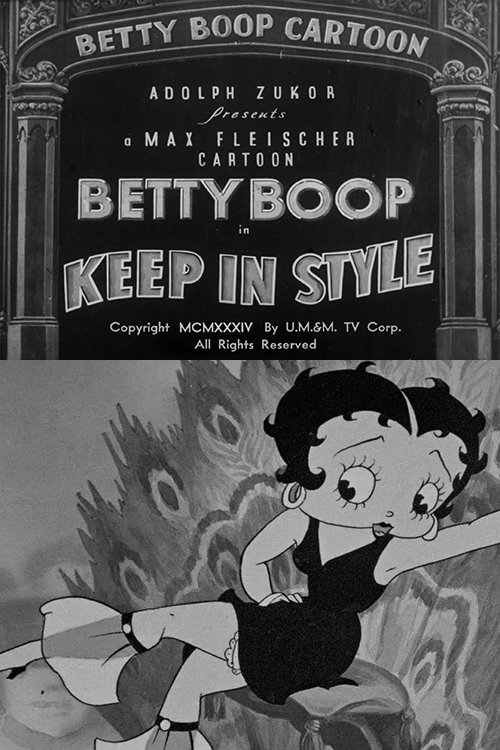
Keep in Style is a product of its era, characterized by the stylistic surrealism of Fleischer Studios. While it lacks demographic diversity, it offers a notable departure from female passivity through its protagonist. The film's strength lies in its subversion of gender roles, positioning Betty Boop as a trendsetter and architect of spectacle. However, the work remains largely homogeneous, reflecting the limited multi-layered complexity of 1930s animation. Ultimately, the film functions within established social norms, focusing on fashion and modernity rather than diverse representation or social critique.
Category Breakdown
The film does not include any explicit LGBTQ+ characters or narratives. It focuses on fashion and musical performance, sticking to conventional romantic themes typical of 1930s animation.
Betty Boop is portrayed as a central creative force rather than a passive figure. She demonstrates significant influence and disrupts traditional gender hierarchies by driving a national fashion trend.
The narrative seems to focus on a mainstream commercial framework. There is no evidence of a diverse cast or characters of color having high ability to act.
The story emphasizes modernity and consumerism through new inventions. While it lacks explicit cultural critique, the surrealist animation style introduces elements of dream-logic and subjective morality.
There is no documented evidence regarding the portrayal of characters with physical or neurodivergent disabilities in this short.
Present on Screen
Limited or Absent
Official Synopsis
Betty Boop puts on a musical show of new inventions and styles; her creation of "ankle skirts" sweeps the nation.
1933
1934
1935
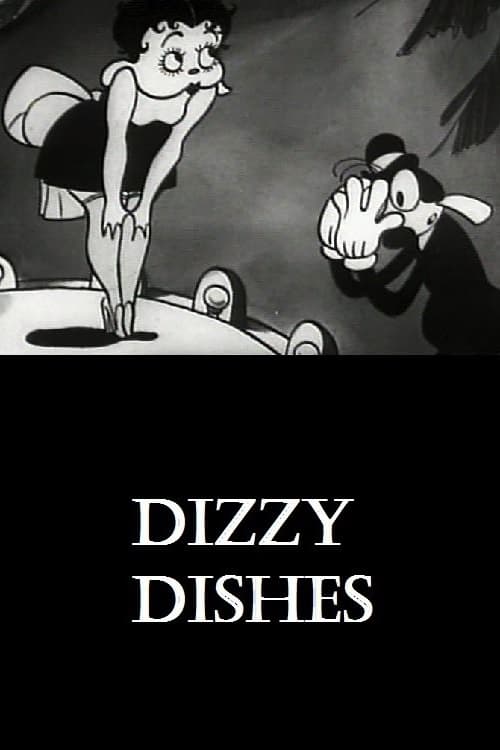
1930
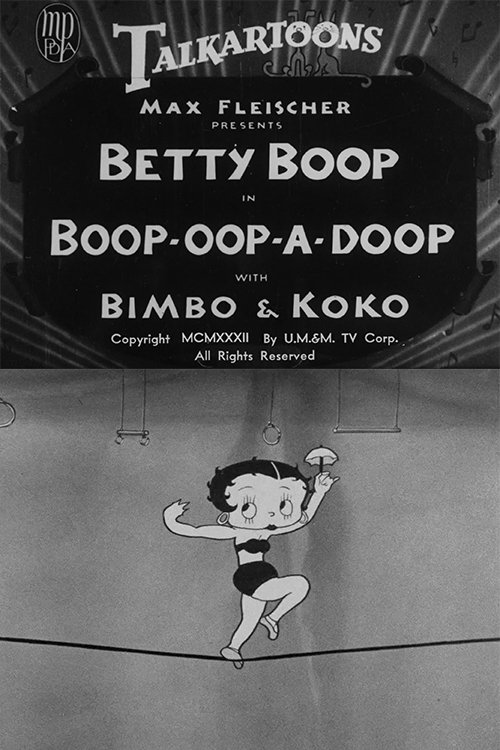
1932
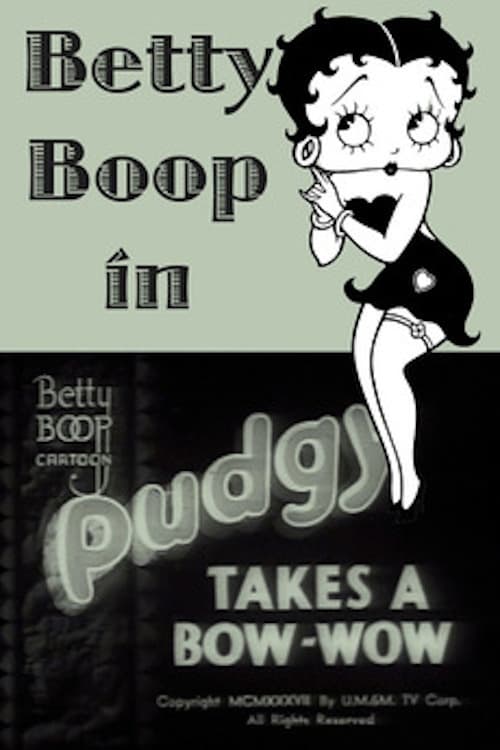
1937
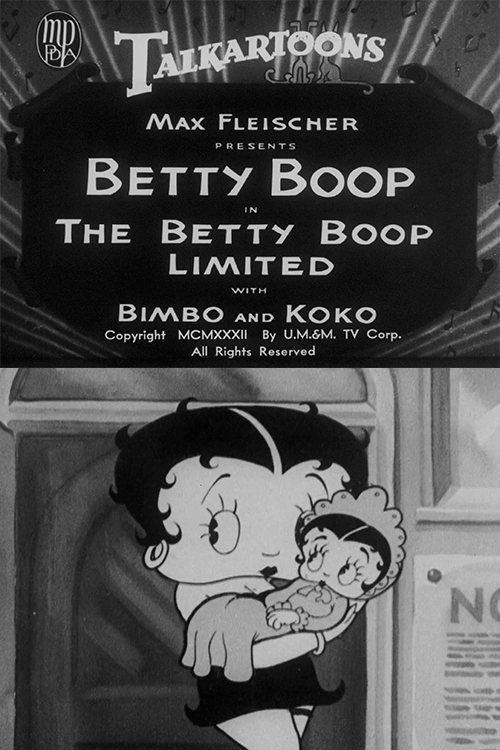
1932
1935
No reviews yet. Be the first to share your thoughts on this movie!
Use the rating form above to leave a star rating and optional review.