The Wild Child
1970
No user ratings available yet
Diversity score: 4.0 out of 10
2018
Director
Nikolaus Leytner
Runtime
109 minutes
Average Rating
No ratings yetSynopsis
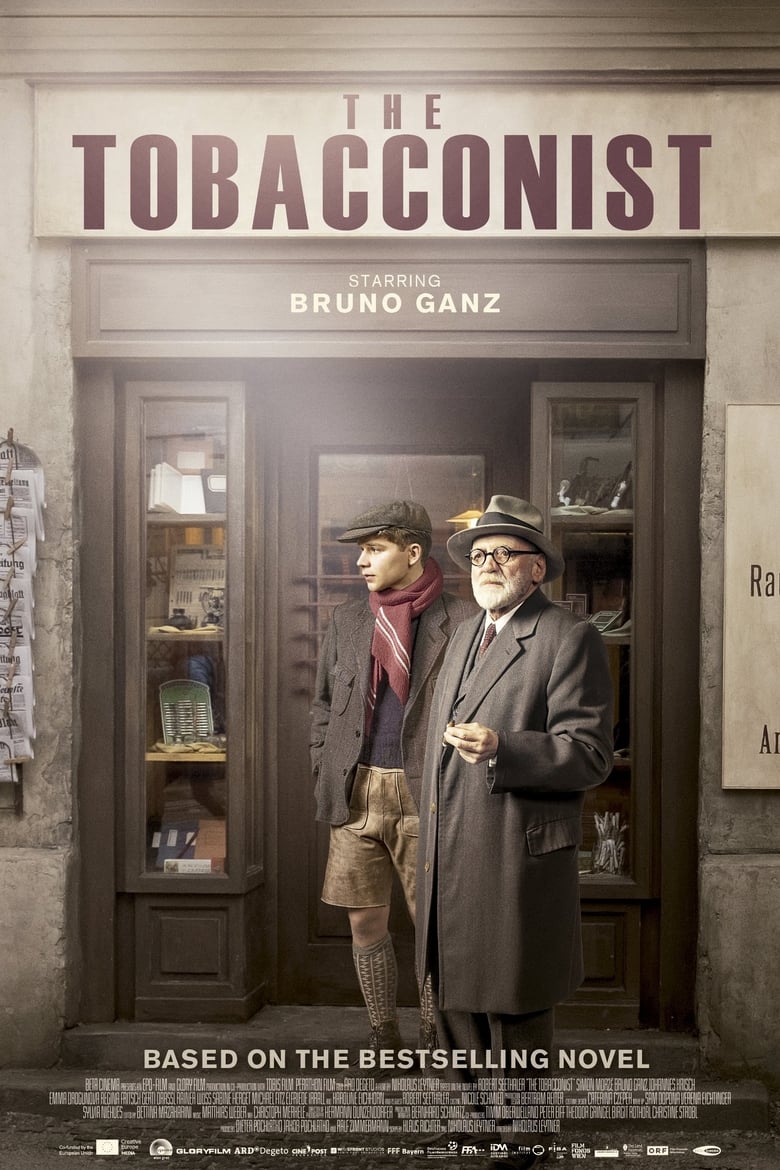
Vienna, 1937, on the eve of the annexation of Austria into Nazi Germany. The young and inexperienced Franz Huchel begins to learn about both the joys and hardships of life by working as an apprentice to the mutilated war veteran Otto Trsnjek in a small tobacco shop, where he meets the famous psychiatrist Sigmund Freud, a regular customer, who will become a valuable friend in times of chaos and uncertainty.
Overall Score
Limited
Category Breakdown
LGBTQ+ Representation
The film focuses on the socio-political landscape of pre-war Austria. It lacks explicit LGBTQ+ identities or non-heteronormative romantic arcs, adhering to the heteronormative social structures of the 1930s.
Gender Representation
The narrative is heavily weighted toward male agency and perspective. While women appear in domestic spheres, they lack the narrative agency to influence the male-dominated political discourse.
Racial & Ethnic Diversity
Set in 1937 Vienna, the film features a largely homogeneous European cast. It functions as a localized study of European political erosion rather than an intersectional exploration of identity.
Religious & Cultural Diversity
The film offers a sophisticated critique of Western institutions and the breakdown of the rule of law. It explores how systemic power weaponizes social conformity under extremist ideologies.
Disability Representation
Otto Trsnjek, a mutilated war veteran, provides a meaningful depiction of physical disability. His condition is integrated into his identity and mentorship role rather than being used as inspiration porn.
Strengths
Areas for Improvement
AI Analysis
The film is a period-specific historical study that prioritizes the deconstruction of political and moral systems over demographic breadth. It lacks intersectional diversity regarding race, gender, and sexuality. However, the narrative earns credit for its intellectual interrogation of how traditional societal norms are dismantled by extremist movements. It effectively explores the fragility of Western institutional stability. Ultimately, the work functions as a localized study of political erosion, focusing on the complexities of moral relativism under systemic pressure rather than a diverse cast.
1970
1999
2014

2013
1948
2003
1999
1943
2017
1989
1981
1945
No reviews yet. Be the first to share your thoughts on this movie!
Use the rating form above to leave a star rating and optional review.