To Keep the Light
2016
No user ratings available yet
Diversity score: 5.5 out of 10
1945
NRDirector
Sammy Lee
Runtime
10 minutes
Average Rating
No ratings yetSynopsis
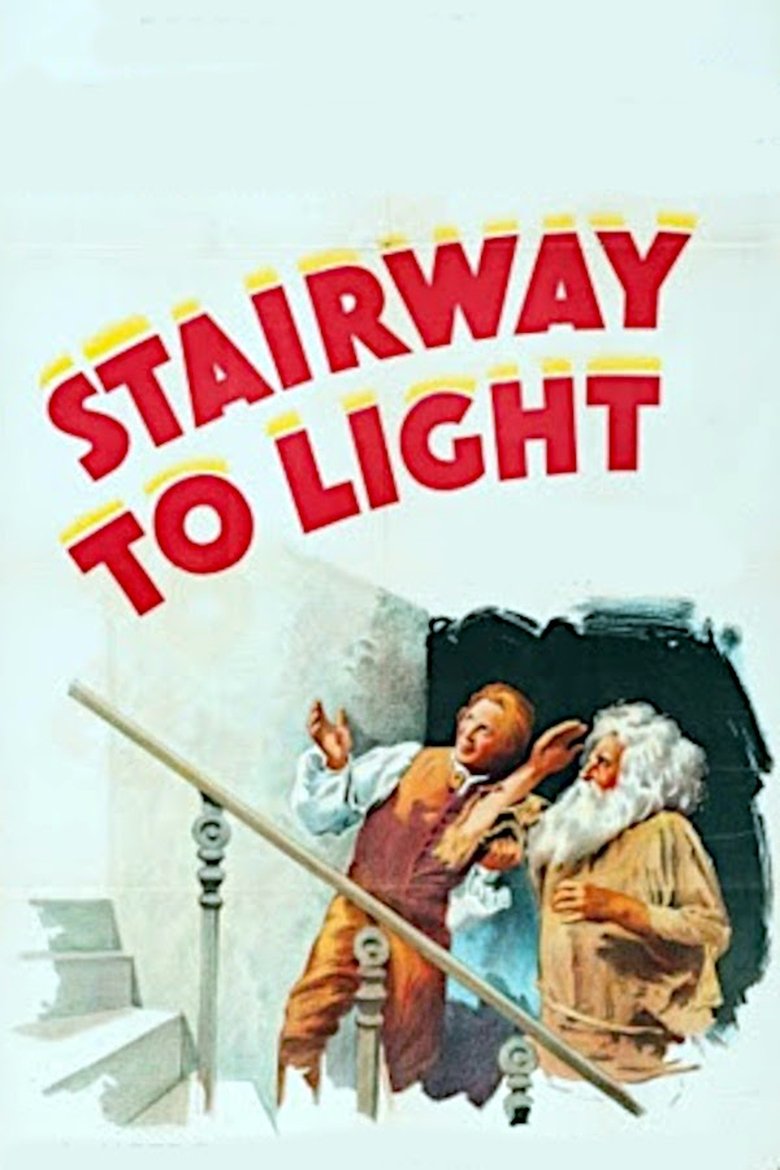
This John Nesbitt's Passing Parade short tells the story of 18th Century French physician Dr. Philippe Pinel, who initiated enlightened, humane treatment of the mentally ill.
Overall Score
Fair
Category Breakdown
LGBTQ+ Representation
The film focuses on the historical biography of Dr. Philippe Pinel. There is no evidence of LGBTQ+ characters or non-heteronormative identities within the narrative.
Gender Representation
The story centers on the agency of Dr. Pinel. While the 18th-century setting implies a patriarchal hierarchy, the film emphasizes empathetic leadership over punitive masculine authority.
Racial & Ethnic Diversity
Set in 18th-century France, the film likely reflects a homogeneous Western European demographic. There is no evidence of significant non-white representation or race-bent casting.
Religious & Cultural Diversity
The narrative promotes progressive values by documenting the deconstruction of institutional cruelty. It frames the shift toward scientific enlightenment as a necessary moral evolution.
Disability Representation
This is the film's strongest area. It centers on the dignity of individuals with mental health conditions, moving away from dehumanizing tropes toward medical necessity.
Strengths
Areas for Improvement
AI Analysis
Stairway to Light is a historical documentary short that finds its strength in its progressive treatment of mental health. By focusing on Dr. Philippe Pinel’s efforts to humanize the treatment of the mentally ill, the film disrupts historical tropes of mockery and confinement. However, the film is constrained by its 18th-century French setting and 1945 production context. The narrative lacks visible diversity in terms of race, gender agency, or LGBTQ+ identities, reflecting the social structures of the era. Ultimately, the work serves as a pedagogical tool for social reform, prioritizing the dignity of neurodivergent populations over the era's traditional, punitive institutional models.
2016

2023

2020
2012

2018
1970

2018
1939
1952
1940

1973
1948
No reviews yet. Be the first to share your thoughts on this movie!
Use the rating form above to leave a star rating and optional review.