
Monte Carlo
1930
No user ratings available yet
Diversity score: 2.3 out of 10
1948
ApprovedDirector
Ernst Lubitsch
Runtime
89 minutes
Average Rating
No ratings yetSynopsis
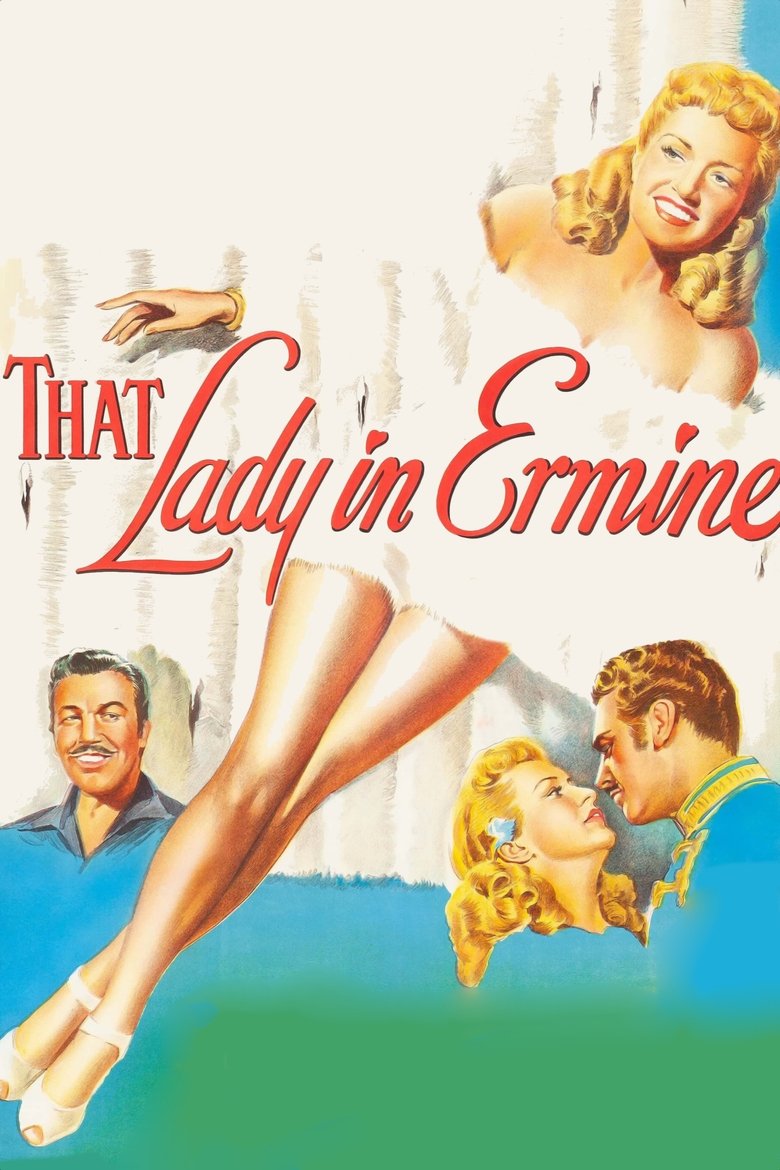
Circa 1861, Angelina, ruling countess of an Italian principality, is at a loss when invaded by a Hungarian army. Her lookalike ancestress Francesca, who saved a similar situation 300 years before, comes to life from a portrait to help her descendant. Complicating factor: the newlywed countess feels strangely drawn to the handsome invader...
Overall Score
Limited
Category Breakdown
LGBTQ+ Representation
The film operates within a strict heteronormative framework. There is no evidence of same-sex intimacy or non-cisnormative identities.
Gender Representation
The story centers on female agency within an aristocratic setting. Angelina navigates complex political and emotional pressures, offering a slight subversion of passive female archetypes.
Racial & Ethnic Diversity
The cast is predominantly white and Eurocentric, reflecting its 19th-century European setting. The narrative lacks characters of color with significant agency.
Religious & Cultural Diversity
The film explores situational ethics and moral relativism through wit. It operates within existing aristocratic structures rather than critiquing them.
Disability Representation
There are no prominent depictions of physical or neurodivergent disabilities that drive the narrative or serve as central character traits.
Strengths
Areas for Improvement
AI Analysis
The film is a product of the 1948 studio era, prioritizing traditional romantic and class structures. While it provides character depth, it lacks intentionality in disrupting social or identity-based norms. Its representation is limited by the historical context of its production. The narrative focuses on conventional European aristocracy and heterosexual romance, resulting in a homogeneous cast and social outlook. Ultimately, the work functions as a sophisticated social comedy that adheres to the era's standard casting and social hierarchies.
1930

1929
1919

1931

1934
No reviews yet. Be the first to share your thoughts on this movie!
Use the rating form above to leave a star rating and optional review.