A Midsummer Night's Dream
1935
No user ratings available yet
Representation score: 1.7 out of 10
Representation Score
Fair
1946
UnratedDirector
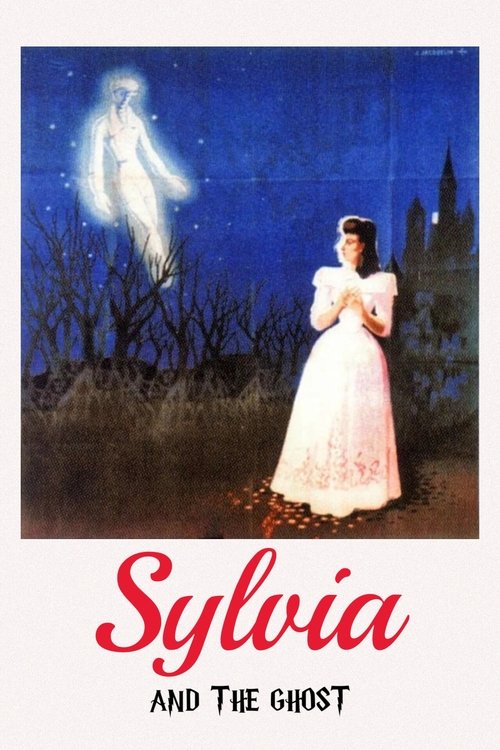
Claude Autant-Lara
Runtime
97 minutes
Average Rating
No ratings yetNew Showbiz Analysis
Sylvie and the Ghost is a period-specific romantic fantasy that emphasizes individual psychological experiences over broader representations. While the main character has a strong emotional presence, the narrative adheres to the traditional, homogeneous structures of mid-century European cinema. The film reflects its historical context by avoiding racial or LGBTQ+ diversity. It operates within a localized French setting, focusing on romantic clichés and supernatural tension rather than modern progressive themes. Ultimately, the work serves as a character study of obsession. It uses gothic elements to explore memory and desire, but stays within the conventional social and gendered boundaries of its time.
Category Breakdown
The film centers on a romance involving a deceased suitor and a young woman, but it does not include any characters with non-binary gender identities or stories that question the assumption that everyone is straight.
Sylvie is given a strong role in exploring her inner emotions and thoughts. However, the story is still driven by male characters, maintaining a traditional structure where men have control over the plot.
The casting is uniform, reflecting the demographics of mid-1940s provincial France. The film tells a localized, culturally specific story without mixing in diverse racial backgrounds.
The story is grounded in the customs of French rural life and traditional European society. It focuses on psychological tension rather than critiquing broader societal issues.
Psychological distress and memory issues serve as gothic plot devices or metaphors for guilt. These elements do not give real power to characters dealing with mental health issues.
Present on Screen
Limited or Absent
Official Synopsis
A teenager becomes fixated on a painting of the handsome suitor who died in a duel for her grandmother's love. On her sixteenth birthday, her father hires three men who pretend to be the ghost of the suitor to entertain her. Little do they know, the ghost of the suitor himself is roaming the castle halls.
1935
1947

1935
1937
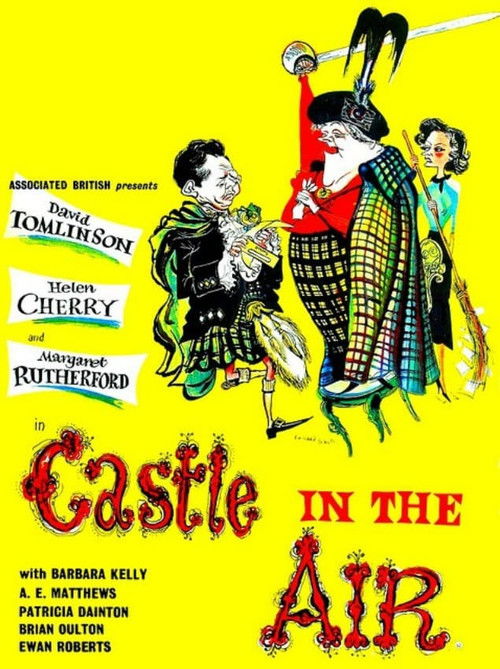
1952

1976
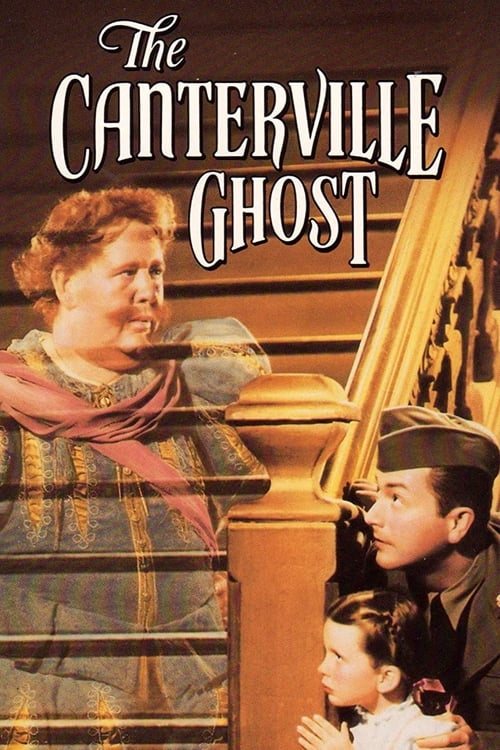
1944
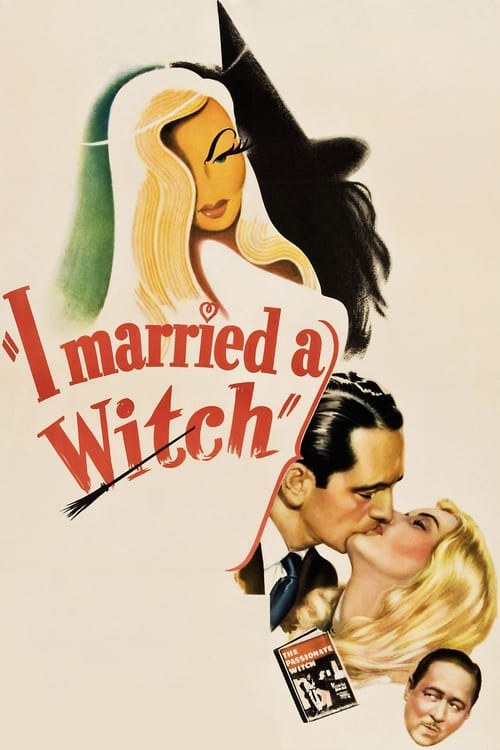
1942
No reviews yet. Be the first to share your thoughts on this movie!
Use the rating form above to leave a star rating and optional review.