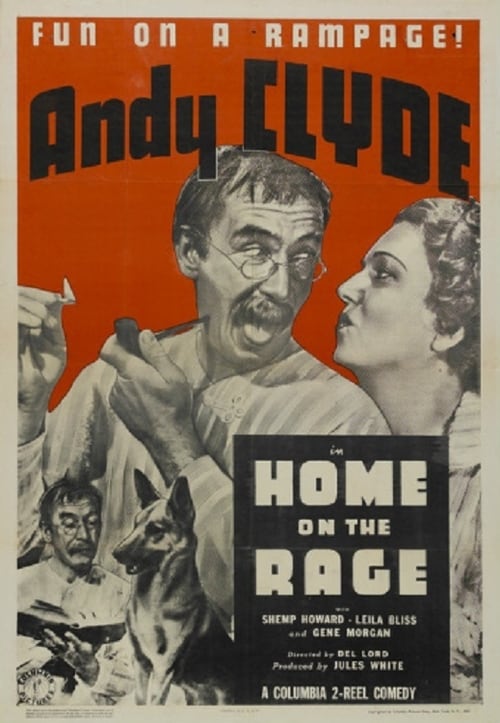
Home on the Rage
1938
No user ratings available yet
Representation score: 0.8 out of 10
No Poster Available
Representation Score
Limited
1938
ApprovedDirector
Charley Chase
Runtime
18 minutes
Average Rating
No ratings yetNew Showbiz Analysis
Halfway to Hollywood is a product of its time, relying on standard comedic clichés rather than intentional social subversion. The narrative structure reinforces the social norms of the late 1930s, focusing on workplace deception and traditional hierarchies. The film lacks diversity across most identity markers. It centers on a conventional Anglo-Saxon framework and traditional gender roles, with little to no representation of LGBTQ+ identities or multi-ethnic casts. Comedy is derived from situational deception rather than the subversion of systemic structures. The use of physical impairment as a plot device for fraud further limits its depth regarding disability representation.
Category Breakdown
The film does not include any characters with non-straight or non-cisgender identities. The plot revolves around a traditional marriage between a husband and wife.
The story primarily focuses on male characters and their positions within a corporate hierarchy. Female characters are limited to a wife who participates in an amateur production.
The film features a cast that reflects the homogeneity typical of 1930s Hollywood. It seems to center on a traditional Anglo-Saxon framework.
The story delves into Western institutional dynamics such as employer-employee relationships. It upholds traditional views of workplace integrity and social responsibility.
The plot includes a fake injury used as a comedic device for deception. There is no nuanced depiction of actual neurodivergence or chronic illness.
Present on Screen
Limited or Absent
Official Synopsis
Johnny writes a screenplay, then gets Tom and his wife to star with him in his amateur production. Their production is about their boss, who walks in on a screening of the finished product, puts "two and two" together and is infuriated....until the footage reveals the truth behind Tom and Johnny's co-worker...who is collecting workman's comp for his "injuries".
1938

1928
1938

1933
1935
1940
1936
1946
No reviews yet. Be the first to share your thoughts on this movie!
Use the rating form above to leave a star rating and optional review.