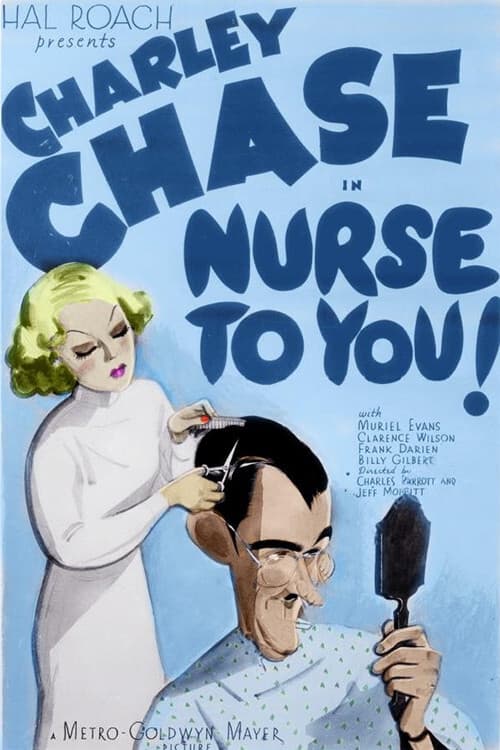
Nurse to You!
1935
No user ratings available yet
Representation score: 3.4 out of 10
No Poster Available
Representation Score
Minimal
1952
ApprovedDirector
Richard L. Bare
Runtime
10 minutes
Average Rating
No ratings yetNew Showbiz Analysis
This 1952 comedy functions as a conventional mid-century narrative, relying on established studio structures and traditional comedic pacing. It centers on a white, male protagonist, reflecting the demographic defaults of the time. The film lacks characters who reflect more than one aspect of diversity and operates strictly within the cultural boundaries of the early 1950s. While the premise involves a medical crisis, it uses the diagnosis as a device for character transformation, avoiding a deep or nuanced look at disability or neurodivergence.
Category Breakdown
The film does not include any LGBTQ+ characters or stories that challenge the assumption that everyone is straight or cisgender. It adheres to the strict social and censorship standards of 1952.
The story centers on a male protagonist navigating life's excesses. Female characters likely occupy traditional supporting or domestic roles typical of mid-century comedy.
The narrative appears to focus on a homogeneous social environment. There is no indication of a diverse or multi-ethnic cast within the film.
The plot follows traditional Western individualistic clichés. It focuses on personal ability to act within a conventional framework rather than critiquing social or religious institutions.
A terminal diagnosis serves as a plot catalyst rather than a nuanced exploration of illness. The film lacks meaningful representation of lived disability experience.
Present on Screen
Limited or Absent
Official Synopsis
Believing he has only a month to live, average guy Joe McDoakes decides to live life to the fullest in the time he has left.
1935

2016

1983
1964
1947

1990
1947

2014
No reviews yet. Be the first to share your thoughts on this movie!
Use the rating form above to leave a star rating and optional review.