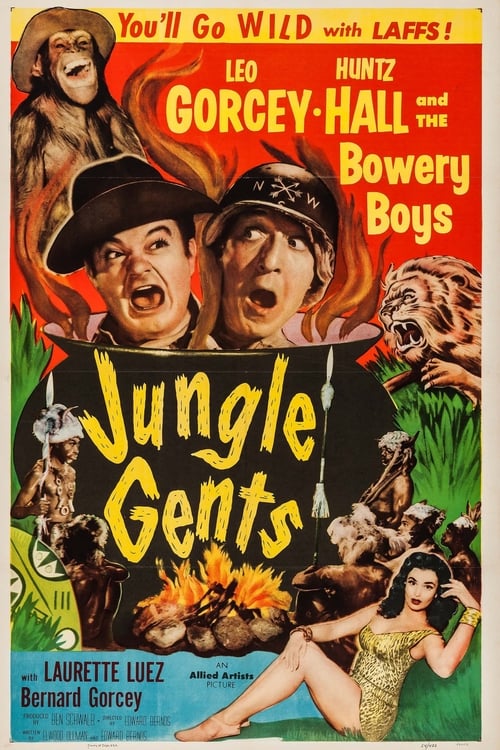
Jungle Gents
1954
No user ratings available yet
Diversity score: 1.6 out of 10
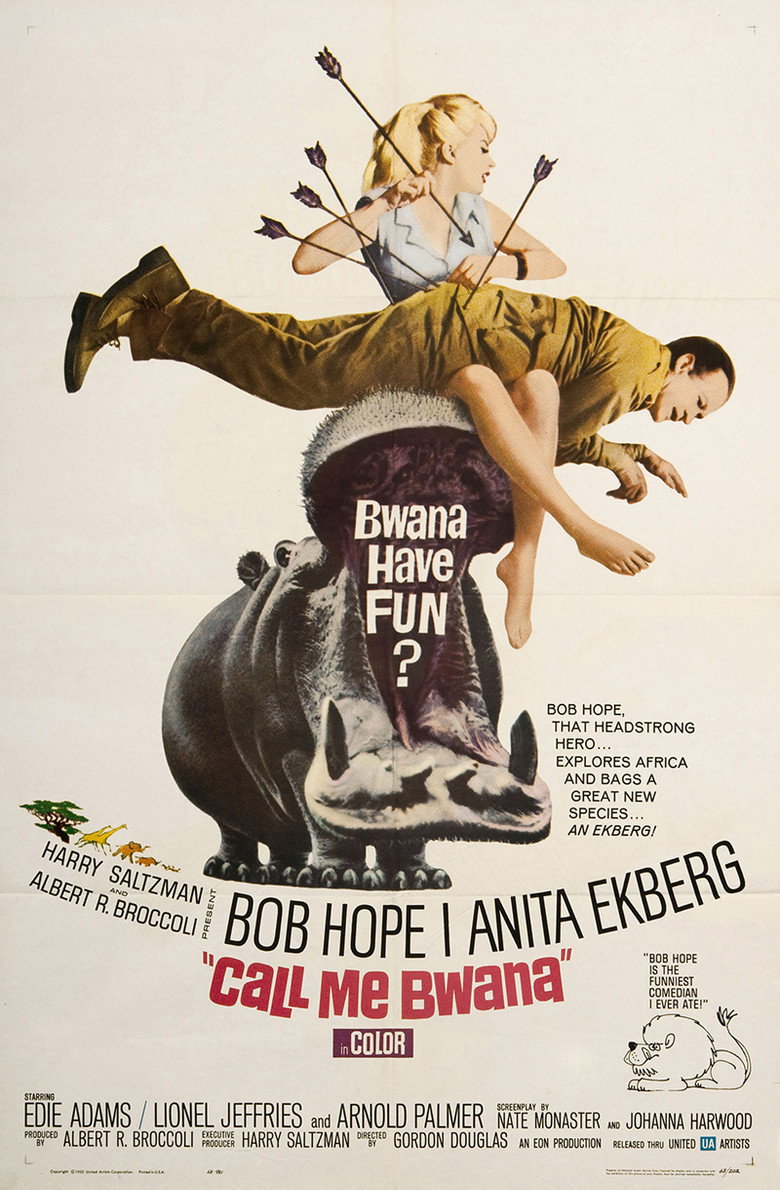
1963
Director
Gordon Douglas
Runtime
102 minutes
Average Rating
No ratings yetSynopsis
A returning moon capsule goes off course and lands in Africa where a little-known tribe finds it. Washington sends Matthew Merriwether to recover it—thinking he's an expert on the region—when in fact he's no such thing. However, a foreign power sends Secret Agent Luba to try and acquire the capsule for itself and, when Matthew and Luba reach their destination, they find that the tribe believes the capsule to be sacred and won't give it up.
Overall Score
Minimal
Category Breakdown
LGBTQ+ Representation
The film contains no discernible LGBTQ+ characters or narratives. Interpersonal dynamics are strictly heteronormative, adhering to the social conventions of 1960s mainstream comedy.
Gender Representation
Female characters are positioned in secondary roles, serving as supporting elements to the male-driven adventure. The agency of the plot remains almost exclusively with the male leads.
Racial & Ethnic Diversity
The film employs a colonialist lens to depict African tribes through caricatures. Indigenous populations are treated as a backdrop for the protagonist's journey rather than complex, self-determined subjects.
Religious & Cultural Diversity
The narrative centers Western interests, such as recovering a moon capsule, without critiquing colonialism. It lacks moral relativism or anti-colonial sentiment, celebrating the traditional Western adventurer archetype.
Disability Representation
No significant depictions of visible or invisible disabilities are present. Characters with disabilities are not afforded agency or used as central narrative devices.
Strengths
Areas for Improvement
AI Analysis
Call Me Bwana is a mid-century adventure comedy that functions within a colonialist cinematic framework. The story relies on the 'eccentric explorer' archetype, which centers Western protagonists while relegating non-Western populations to the periphery. The film reinforces traditional hierarchies through its 'fish out of water' motif. Western agency drives the plot, leaving little room for the autonomy of indigenous characters or female figures. Ultimately, the film lacks intersectional complexity. It operates as a celebration of Western adventure tropes rather than a subversion of power dynamics or cultural hierarchies.
1954
1944
1949
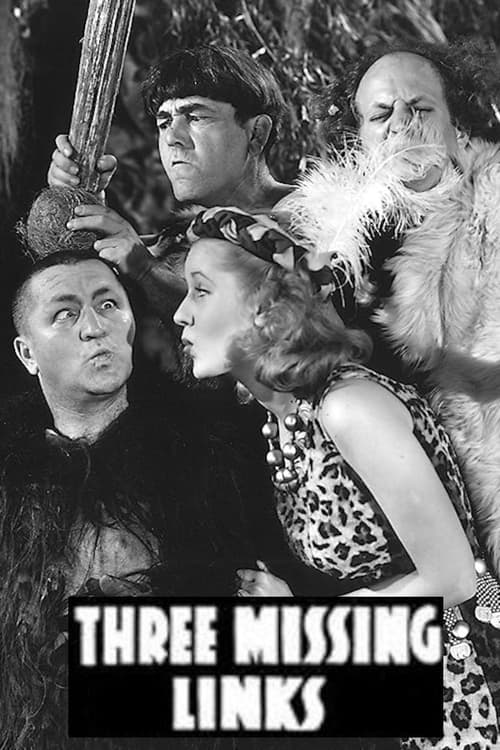
1938
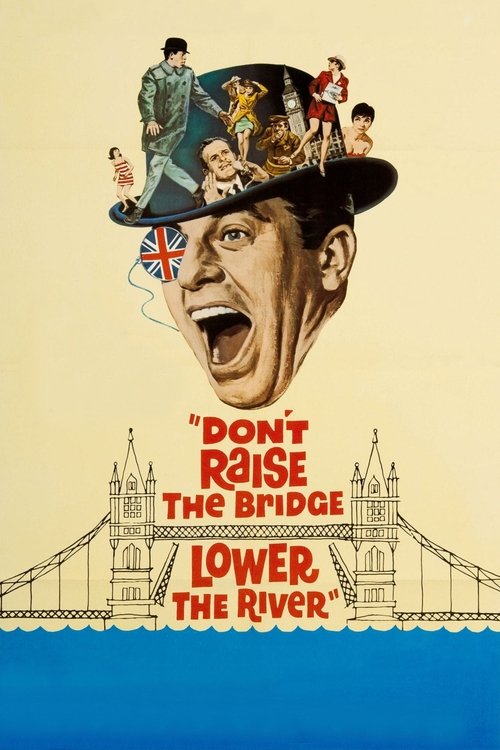
1968
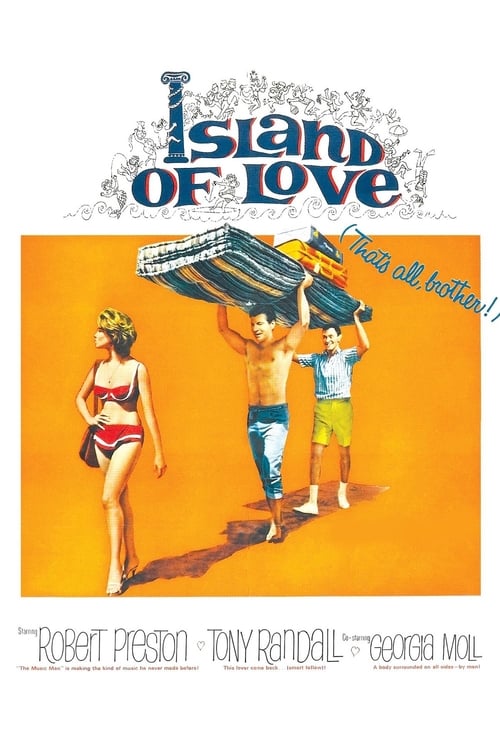
1963
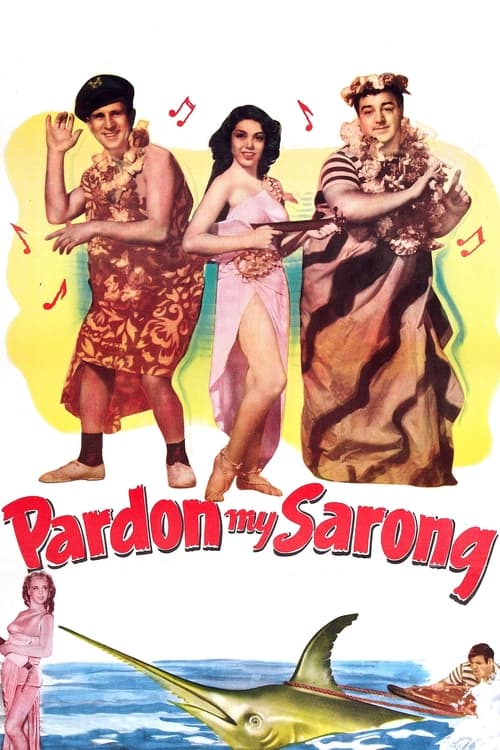
1942
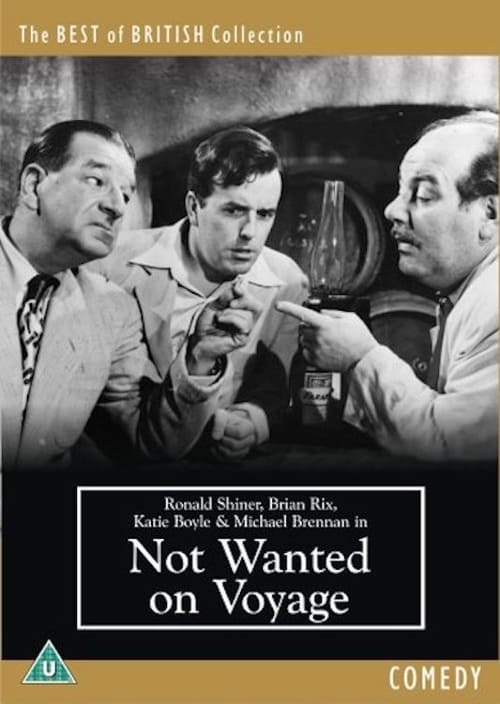
1957
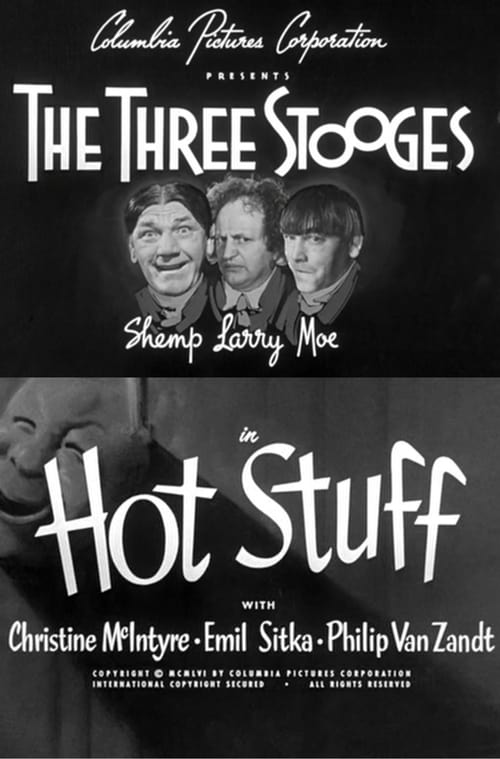
1956
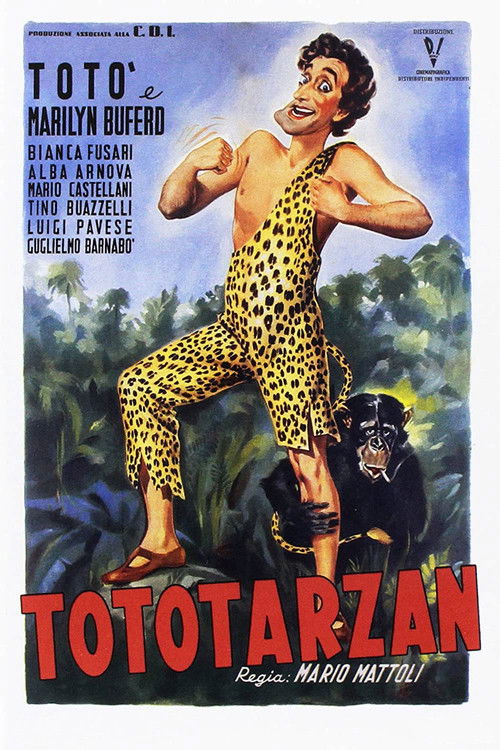
1950
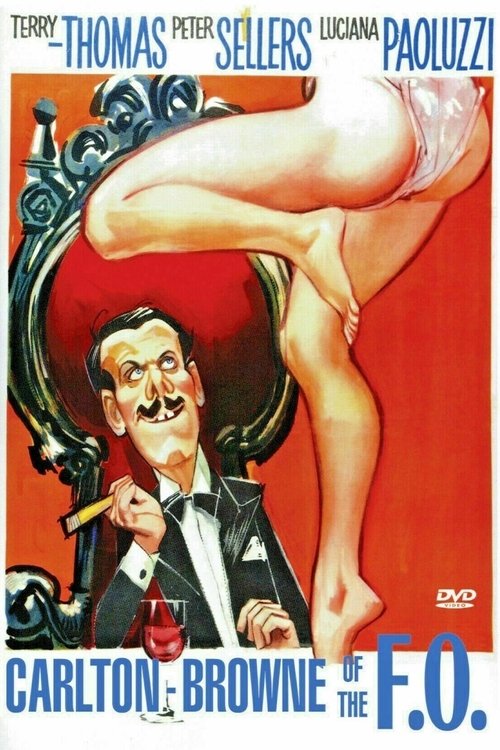
1959
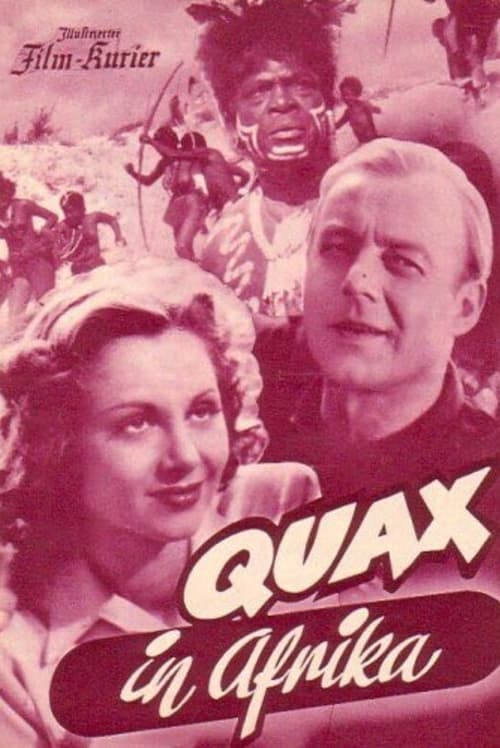
1947
No reviews yet. Be the first to share your thoughts on this movie!
Use the rating form above to leave a star rating and optional review.