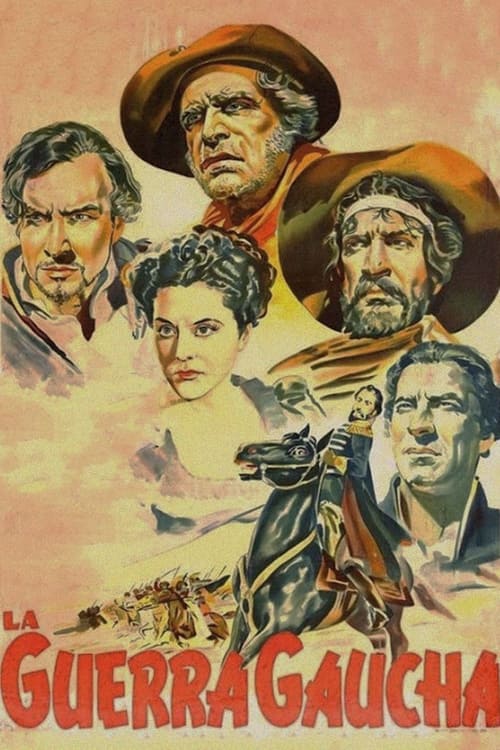
The Gaucho War
1942
No user ratings available yet
Representation score: 2.9 out of 10
Representation Score
Limited
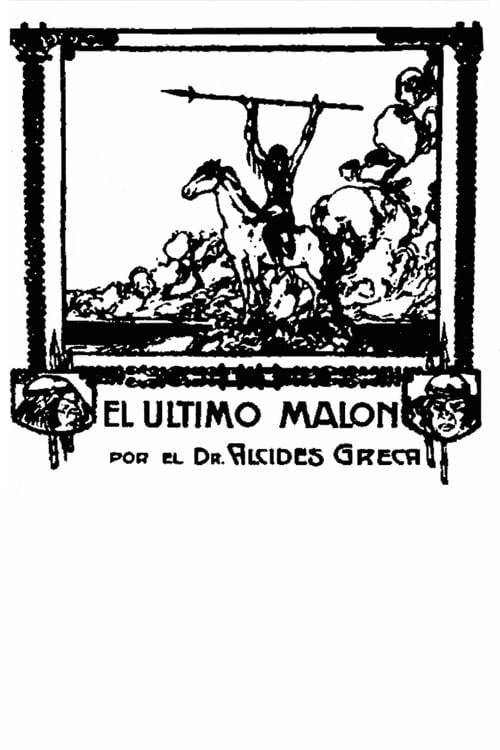
1918
Director
Alcides Greca
Runtime
72 minutes
Average Rating
No ratings yetNew Showbiz Analysis
The film serves as a vital historical document that disrupts colonial perspectives by centering indigenous ability to act. Its focus on the Chaco uprisings provides a necessary departure from Eurocentric narratives common in early global cinema. However, the work is heavily constrained by the era's social norms. The lack of gendered ability to act and the total absence of LGBTQ+ visibility significantly limit its overall diversity profile. Ultimately, the film's strength lies in its ethnic focus, even as it remains limited by the traditional masculine structures of early war dramas.
Category Breakdown
The film contains no evidence of LGBTQ+ characters or narratives. It adheres to the social constraints of 1918, focusing on historical military conflict.
The film focuses on masculine combat and tribal leadership, suggesting that female characters may play passive or domestic roles typical of early 20th-century war dramas.
By centering an indigenous uprising in the Chaco region, the film offers significant representation of non-European populations, disrupting the traditional white protagonist cliché.
The film challenges traditional Western institutional narratives by framing indigenous resistance as the central dramatic engine, critiquing colonialist frameworks.
There is no documented evidence regarding the portrayal of physical or neurodivergent disabilities in this historical drama.
Present on Screen
Limited or Absent
Official Synopsis
The movie dramatizes the last Indian uprising in Argentina, which happened in the north of the country, in the Chaco region, in the early 1900s.
1942

2016
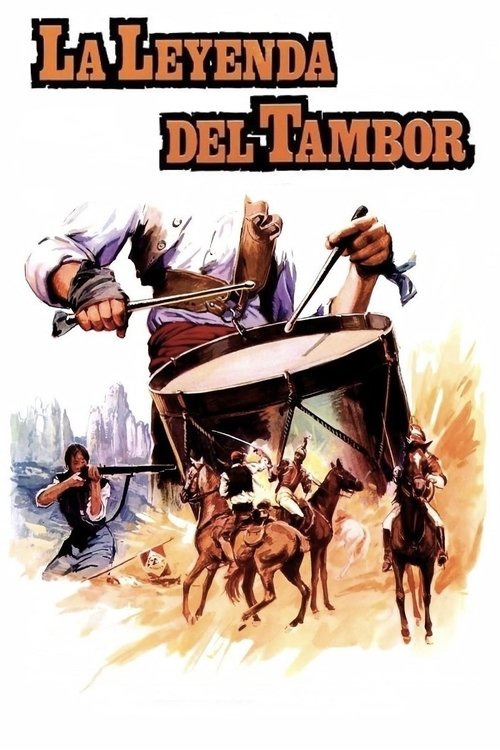
1981

1997
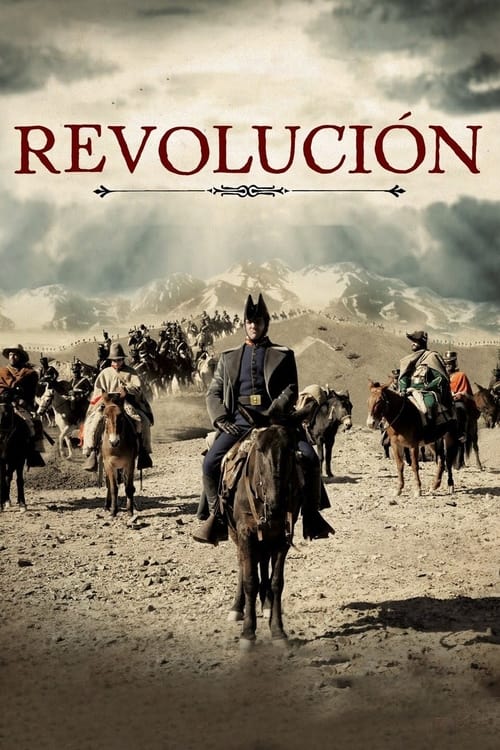
2011
1997
1925
2020
No reviews yet. Be the first to share your thoughts on this movie!
Use the rating form above to leave a star rating and optional review.