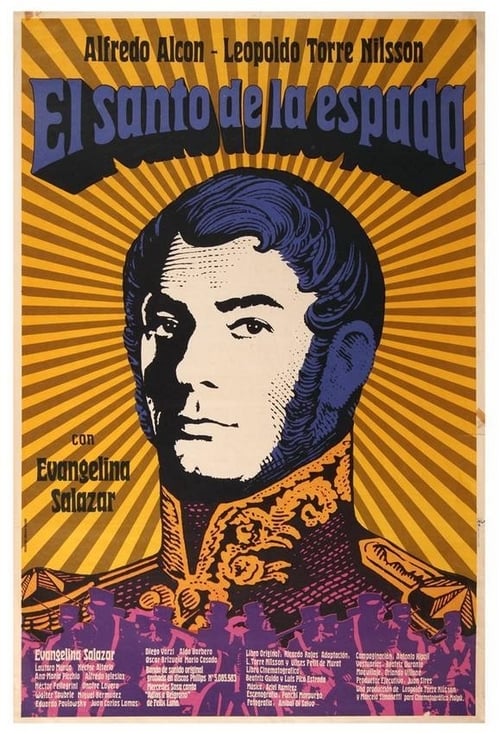
The Knight of the Sword
1970
No user ratings available yet
Representation score: 1.9 out of 10
Representation Score
Limited
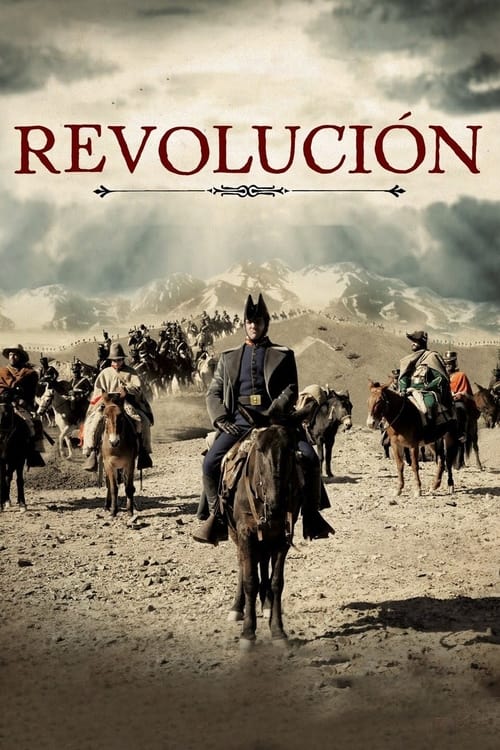
2011
Director
Leandro Ipiña
Runtime
95 minutes
Average Rating
No ratings yetNew Showbiz Analysis
The film is a period-specific realist drama that prioritizes historical authenticity and regional identity. By using a predominantly South American cast, it avoids the common practice of casting white actors in non-white roles. However, the narrative is heavily focused on traditional masculine dynamics, limiting its engagement with diverse identity markers. Ultimately, the film serves as a conventional historical epic that highlights regional ethnic authenticity over contemporary progressive representation.
Category Breakdown
The film adheres to a conventional framework regarding gender and orientation, with no depiction of non-straight or non-cisgender identities. It does not engage with stories that challenge the assumption that everyone is straight or cisgender.
The narrative emphasizes male roles and masculine bonds, reflecting historical social structures. However, it lacks opportunities for women to take leading roles or influence the story significantly.
The film features a predominantly South American cast, which enhances the regional authenticity and avoids the whitewashing common in Western-centric productions. This provides meaningful representation of South American identity.
The film focuses on a realistic portrayal of the era's social structures, presenting a nuanced view of the heroic family unit. It does not explicitly critique broader societal systems but instead offers a subtle deconstruction of idealized family dynamics.
The film does not feature any characters with visible or invisible disabilities. These conditions are not used as central plot devices or themes within the narrative.
Present on Screen
Limited or Absent
Official Synopsis
Buenos Aires, 1880. A journalist interviews Manuel Esteban Corvalán, one of the last living men who crossed the Andes in 1817 with José de San Martín, during the Argentinian and Chilean wars of independence, as one of his secretaries, when he was only 15 years old.
1970
2013

1925

2016
2010
2008
1969
1918
No reviews yet. Be the first to share your thoughts on this movie!
Use the rating form above to leave a star rating and optional review.