My Imaginary Country
2022
No user ratings available yet
Diversity score: 6.4 out of 10
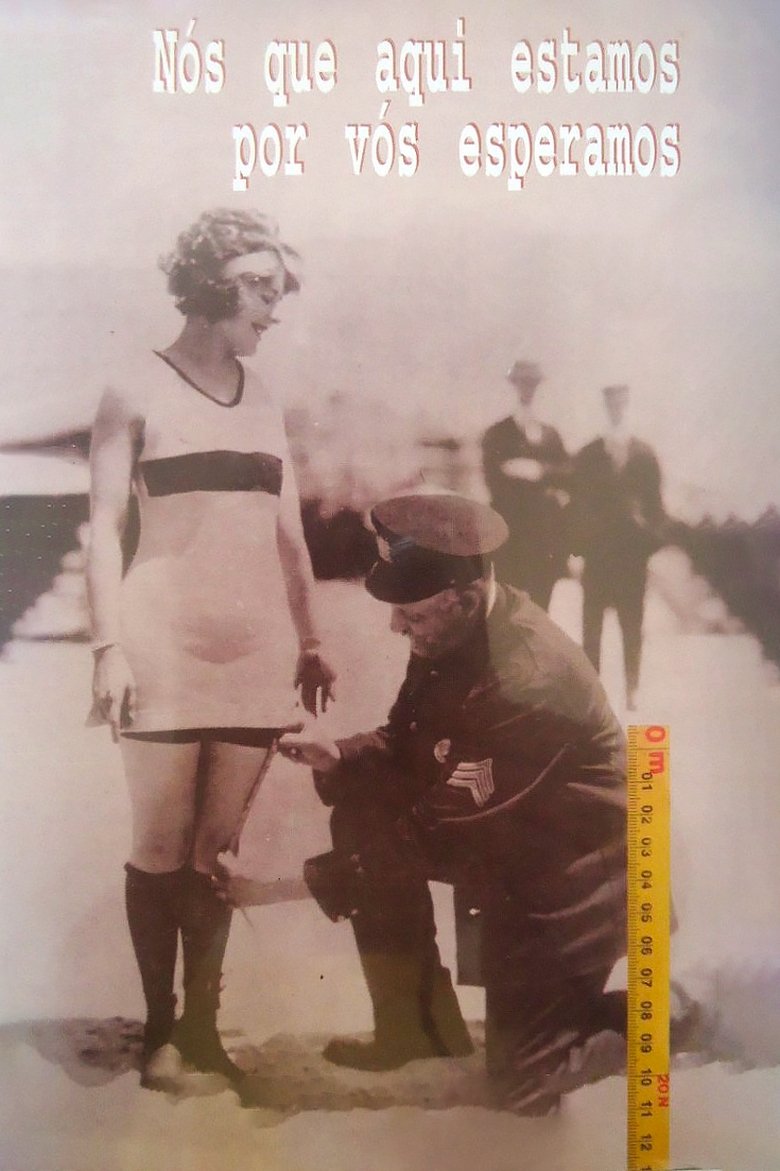
1999
Director
Marcelo Masagão
Runtime
73 minutes
Average Rating
No ratings yetSynopsis
A fascinating and poetical collage of countless images from the 20th century with the purpose of revealing matters of life and death during the era and its many social, cultural and political transformations, with the director making several statements on several issues, combining fact and fiction to compose his powerful mosaic of images along with the magnificent music of Wim Mertens. A true work of art that dares to make several questions about the human condition, its contradictions and ironies.
Overall Score
Good
Category Breakdown
LGBTQ+ Representation
The film maintains a neutral stance regarding LGBTQ+ identities. While the archival montage provides a framework for non-normative identities, they are not the central narrative driver.
Gender Representation
The film avoids glorifying traditional masculine leadership. By focusing on human contradictions, it presents a fragmented and nuanced view of gendered roles throughout the 20th century.
Racial & Ethnic Diversity
The mosaic approach engages with a global visual record. This allows for a non-Anglo-centric view of history, surfacing images of diverse populations often omitted by centralized histories.
Religious & Cultural Diversity
The work demonstrates high progressive framing by deconstructing grand historical narratives. It critiques established power structures and challenges the perceived infallibility of Western historical institutions.
Disability Representation
The focus on life and death likely includes depictions of physical vulnerability. However, it remains unclear if these portrayals grant specific agency to individuals with disabilities.
Strengths
Areas for Improvement
AI Analysis
Marcelo Masagão’s documentary functions as a poetic, experimental collage that disrupts traditional historical authority. By blending fact and fiction, the film moves away from linear, objective storytelling to explore the complexities of the human condition. The film's strength lies in its systemic inquiry and its ability to surface diverse global perspectives through archival imagery. It avoids the pitfalls of traditionalist storytelling by favoring a subjective, multi-perspectival lens that questions established power structures. However, the film's abstract, montage-heavy structure means it does not center specific identity politics. While it provides a broad canvas for diverse human experiences, it lacks explicit, character-driven representation for many marginalized groups.
2022
2008

1983
2017

2021

1988
1998

2003

2003
2006
2004
2002
No reviews yet. Be the first to share your thoughts on this movie!
Use the rating form above to leave a star rating and optional review.