
Josep
2020
No user ratings available yet
Representation score: 7.6 out of 10
Representation Score
Good
2019
PG-13Director
Salvador Simó
Runtime
82 minutes
Average Rating
No ratings yetNew Showbiz Analysis
This film serves as a detailed examination of a filmmaker committed to undermining social and religious norms. By focusing on Buñuel, the documentary highlights a history of challenging established cultural hierarchies. The film's primary strength lies in its intentional deconstruction of Western institutional authority. It successfully integrates critiques of class and religion into the broader history of the avant-garde. While offering rich historical and cultural insights, the film does not delve deeply into disability or contemporary gender theory, remaining primarily a biographical study of ideological disruption.
Category Breakdown
The film delves into the complex relationship between Buñuel and Salvador Dalí, emphasizing the importance of queer sensibilities and homoerotic undertones in the Surrealist movement.
The narrative highlights how Buñuel's work challenged traditional gender roles and femininity. However, the focus is on his ideological impact rather than on the specific roles played by individual characters.
The story follows Buñuel’s journey from Spain to Mexico, exploring themes of displacement and the lasting impacts of colonialism on identity.
The documentary effectively showcases Buñuel’s satirical critiques of the Catholic Church and capitalist structures, presenting these critiques as central themes.
There is no significant evidence regarding the portrayal of physical or neurodivergent disabilities within the narrative.
Present on Screen
Limited or Absent
Official Synopsis
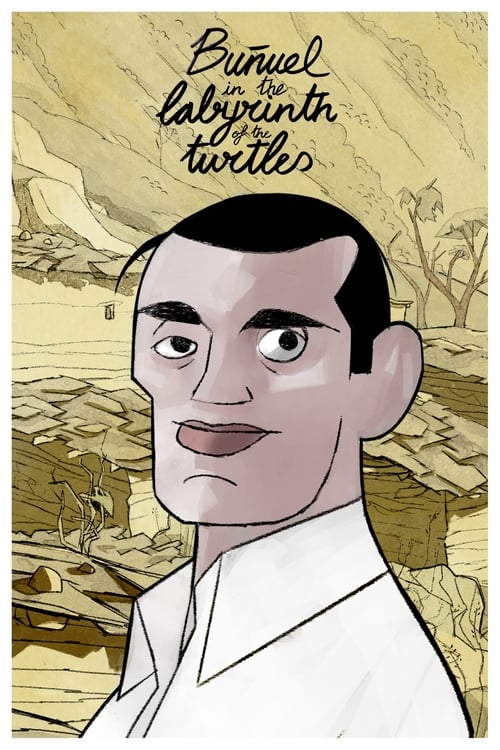
Paris, 1930. Luis Buñuel is penniless after the scandal surrounding the release of his last movie. Sculptor Ramón Acín, a good friend, buys a lottery ticket and promises Buñuel that he will pay for his next movie if he wins the prize.
2020
2016

2021
2024

2023

2008

2023

2017
No reviews yet. Be the first to share your thoughts on this movie!
Use the rating form above to leave a star rating and optional review.