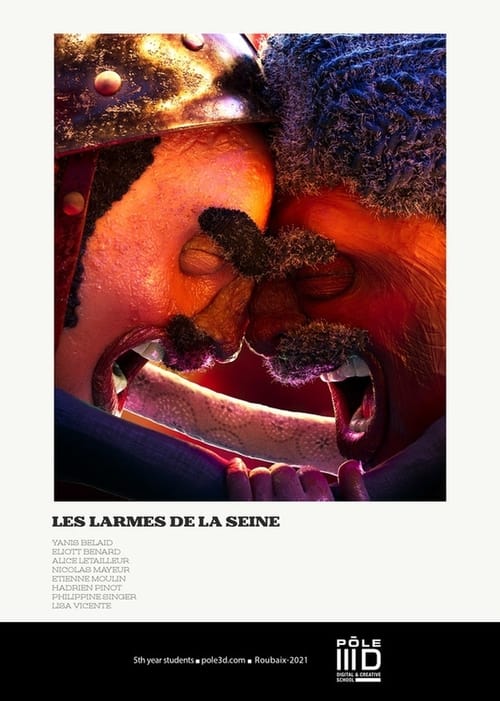
The Seine's Tears
2021
No user ratings available yet
Representation score: 6.2 out of 10
Representation Score
Good
2020
Director
Aurel
Runtime
74 minutes
Average Rating
No ratings yetNew Showbiz Analysis
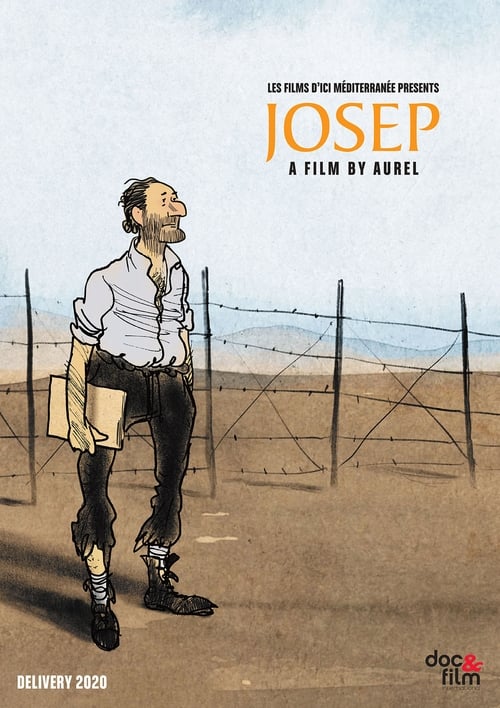
Josep is a poignant biographical animation that examines ideological resilience through the lens of the Spanish Civil War. It excels in cultural critique by dismantling oppressive power structures and highlighting the struggles of the displaced proletariat against fascist regimes. However, the film's exploration of identity is limited. It focuses heavily on political and national struggles, leaving little room for explicit LGBTQ+ representation or broader racial diversity beyond the Spanish context. Ultimately, the film succeeds as a study of human dignity under systemic neglect, using animation to elevate the ability to act of those underrepresented by history.
Category Breakdown
The story centers on a close friendship between a refugee and a guard, exploring deep emotional connections without explicitly depicting LGBTQ+ identities or queer romantic relationships.
The film challenges traditional gender roles by highlighting women's active involvement in the Republican movement during the Spanish Civil War. Women are shown as key players in political change rather than being confined to domestic roles.
By focusing on Spanish Republicans, the film highlights the plight of displaced populations. The animation style critiques nationalist uniformity by portraying the 'othering' of refugees.
The narrative provides a sophisticated critique of fascism and state-controlled institutions. It portrays the struggle of the working class as a fight for social justice against systemic corruption.
The film illustrates the hidden disabilities of trauma and malnutrition among displaced individuals. It shows the psychological and physical impacts of poor living conditions in camps.
Present on Screen
Limited or Absent
Official Synopsis
February 1939. Overwhelmed by the flood of Republicans fleeing Franco's dictatorship, the French government's solution consists in confining the Spanish refugees in concentration camps where they have no other choice than to build their own shelters, feed off the horses which have carried them out of their country, and die by the hundred for lack of hygiene and water... In one of these camps, two men, separated by barbwire, will become friends. One is a guard the other is Josep Bartoli (Barcelona 1910 - New York 1995), a cartoonist who fights against the Franco regime.
2021
2011
2019
2019
2019
2018
2014
2025
No reviews yet. Be the first to share your thoughts on this movie!
Use the rating form above to leave a star rating and optional review.