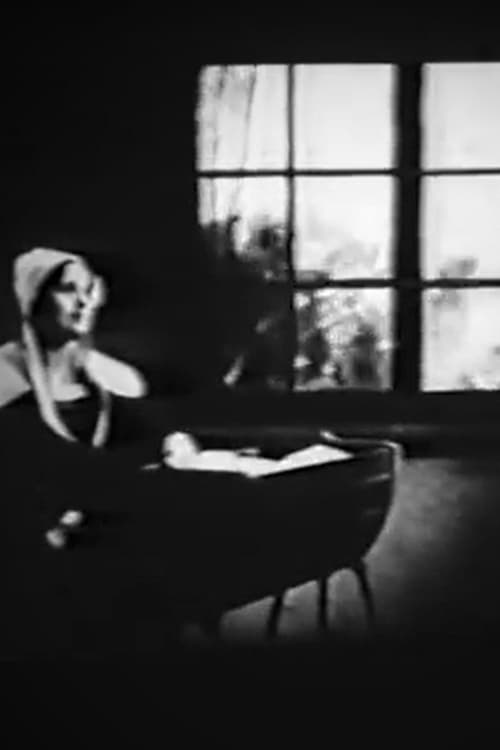
The Cradles
1931
No user ratings available yet
Representation score: 2.7 out of 10

Representation Score
Limited
1932
Director
Jean Epstein
Runtime
6 minutes
Average Rating
No ratings yetNew Showbiz Analysis
Jean Epstein’s work uses impressionistic techniques to explore human subjectivity and psychological interiority. The film highlights the tension between domestic stability and the vast, indifferent sea, focusing on sensory experience over linear plot. While the film challenges traditional narrative hierarchies through its rhythmic and symbolic approach, it lacks explicit demographic markers. The brevity of the work limits the depth of character-driven diversity, focusing instead on atmospheric and existential themes.
Category Breakdown
The film does not include any explicit representation of LGBTQ+ characters or identities that go beyond the assumption that everyone is straight or cisgender.
A woman's rhythmic actions, such as rocking a cradle, play a significant role in the film. The male character is distant and observes rather than taking on traditional roles of conquest.
The limited historical context and descriptive scope of 1932 French cinema do not provide enough information to assess racial composition or diverse identities.
The narrative emphasizes elemental, impressionistic experiences over structured moral stories. It favors a cyclical, existential framework over traditional Western progress-oriented storytelling.
There is no information regarding the portrayal of physical or neurodivergent characters within the provided context.
Present on Screen
Limited or Absent
Official Synopsis
A woman rocks a cradle; a man comes to land from the sea, but leaves to view it from a distance.
1931
1998
1936

1928

1936
1936
1962

1932
No reviews yet. Be the first to share your thoughts on this movie!
Use the rating form above to leave a star rating and optional review.