
Detective Conan: Strategy Above the Depths
2005
No user ratings available yet
Representation score: 1.6 out of 10
Representation Score
Minimal
2015
Director
Yasuichiro Yamamoto
Runtime
91 minutes
Average Rating
No ratings yetNew Showbiz Analysis
The film follows a standard mystery format, prioritizing narrative flow and well-established archetypes. It operates within a stable, culturally specific, and straight-centered framework. While it offers meaningful subversion of gender roles through Ran Mouri’s character, it remains largely traditional in its racial and cultural presentation. The story does not aim to disrupt systemic hierarchies or explore multiple layers of identity. Ultimately, the production stays true to the established framework of the long-running series, focusing on episodic continuity.
Category Breakdown
The film does not include any LGBTQ+ characters or queer dynamics. Relationships are centered around heterosexual couples and do not explore diverse sexual orientations.
Ran Mouri stands out with her physical strength and martial arts skills, challenging traditional gender roles. Kogoro Mouri, on the other hand, is used as a comedic figure to deconstruct traditional male authority.
The cast primarily consists of Japanese actors, reflecting a culturally homogenous Tokyo. The narrative does not delve into diverse ethnic backgrounds or explore multiple layers of identity.
The story unfolds within a traditional social framework, avoiding critique of institutions like religion or capitalism. It emphasizes restoring order through solving mysteries rather than questioning systemic power structures.
The film does not depict any visible or invisible disabilities or neurodivergence. The plot centers on physical danger and intellectual problem-solving without addressing characters' experiences related to disabilities.
Present on Screen
Limited or Absent
Official Synopsis
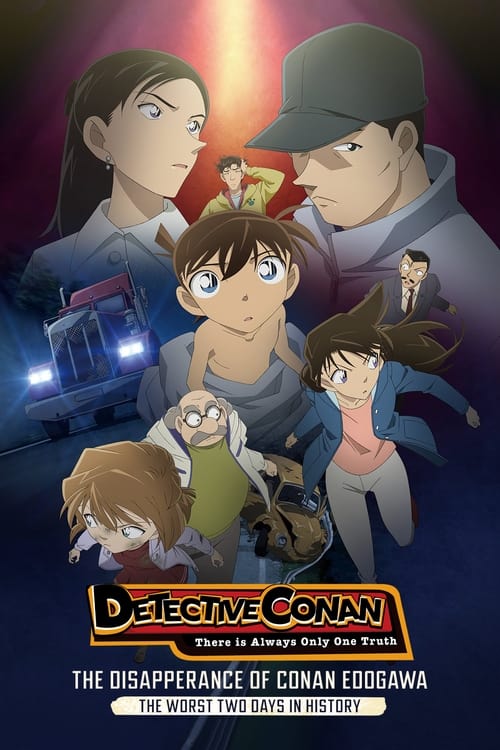
Conan Edogawa comes to a bathhouse with Ran Mouri and Ai Haibara. There, he sees suspicious men in the dressing room of the men's bath. However, Conan falls down in the bathhouse and loses consciousness. The two suspicious men, Tatsu and Kondo, take him away in a car. The two belong to the underworld and seem to be working at someone's request. Meanwhile, a woman named Kanae visits the Mouri Detective Agency to request an investigation into her husband's affair. She shows them a picture, and the husband in the picture is one of the culprits who kidnapped Conan.
2005

2000

2009

2017

2019

2015
2006

2004
No reviews yet. Be the first to share your thoughts on this movie!
Use the rating form above to leave a star rating and optional review.