Zodiac Killers
1991
No user ratings available yet
Representation score: 4.7 out of 10
Representation Score
Fair
1998
Director
Lee Chi-Ngai
Runtime
122 minutes
Average Rating
No ratings yetNew Showbiz Analysis
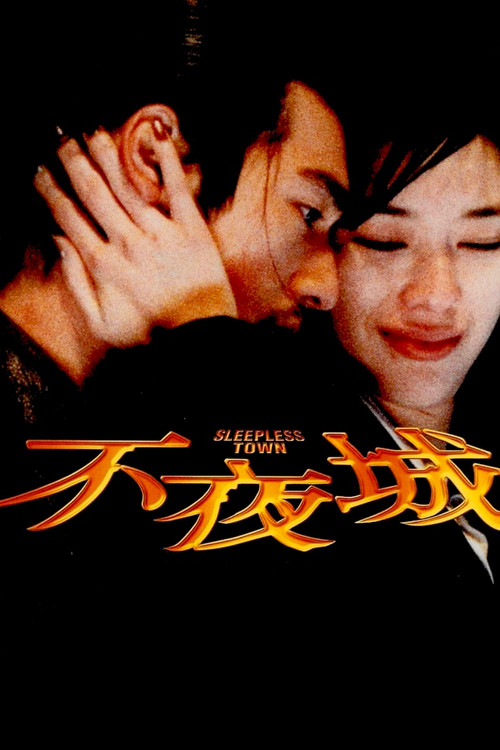
Sleepless Town excels in its portrayal of transnational identity, using a mixed-heritage protagonist to challenge monolithic depictions of East Asian identity. This focus on racial hybridity and diaspora-driven conflict adds layers of complexity to the crime drama. However, the film adheres to traditional crime genre clichés, focusing on male-dominated hierarchies and lacking visible LGBTQ+ representation. Ultimately, the film explores identity through the lens of ethnic tension and survival, though it remains limited by traditional gender roles.
Category Breakdown
The film does not explicitly depict LGBTQ+ identities or relationships that challenge heterosexuality. Instead, it centers on the violent and transactional nature of the Kabukicho underworld.
Male characters like Kenichi and Yuan play significant roles in the film, which centers on masculine power struggles and traditional patriarchal structures.
The protagonist's mixed Japanese and Chinese heritage adds depth to the narrative, exploring racial fluidity and ethnic tensions between local and foreign gangs.
The story operates in a morally ambiguous space, emphasizing the harsh realities of gangland survival over religious ideals.
The film does not include characters navigating physical or neurodivergent disabilities.
Present on Screen
Limited or Absent
Official Synopsis
Kenichi is a half-Japanese, half-Chinese man of the underworld. You can sell him anything except children's organs. His domain is in Kabukicho, a gangland controlled by various Shanghai gangs intent on taking control. His former partner-in-crime, Fu-Chun, is rumored to have returned to Kabukicho, having fled years earlier after killing the number two of gangland boss, Yuan. Yuan wants to get even and attempts to do so by using Kenichi.
1991
1999
1996

1995
1995
2000
1987

1996
No reviews yet. Be the first to share your thoughts on this movie!
Use the rating form above to leave a star rating and optional review.