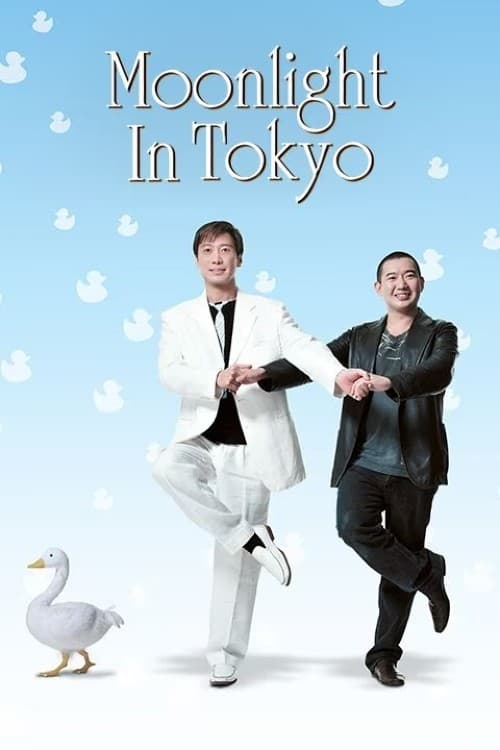
Moonlight in Tokyo
2005
No user ratings available yet
Representation score: 7.7 out of 10

Representation Score
Excellent
1996
Director
Edward Yang
Runtime
121 minutes
Average Rating
No ratings yetNew Showbiz Analysis
Edward Yang’s *Mahjong* is a sophisticated study of urban fragmentation and the psychological dislocation of its characters. It excels in its authentic, non-Western perspective, avoiding the Western gaze and emphasizing local ability to act. The film's strength lies in its ability to deconstruct traditional social structures and offer a nuanced critique of modernization. However, it lacks depth in specific identity-based representation. It does not focus significantly on disability and offers only moderate engagement with LGBTQ+ identities, remaining largely centered on cynical, conventional interpersonal dynamics. While it challenges traditional hierarchies, it does so through a lens of social alienation rather than explicit identity politics.
Category Breakdown
The film examines fluid dating patterns and emotional detachment, moving away from strict heterosexual norms. However, it doesn't explicitly depict LGBTQ+ identities or stories focused on queer liberation.
Women are shown as active, complex participants in an urban landscape rather than submissive stereotypes. Both men and women are depicted as equally affected by the alienation of modern Taipei.
The film excels by focusing on the lived experiences of a Taiwanese population during significant societal changes. It avoids the Western perspective, ensuring that the characters remain the central figures.
The film deeply explores the erosion of traditional institutions and the breakdown of the family unit. It emphasizes a secular, postmodern worldview influenced by rapid capitalist modernization.
The narrative does not include prominent characters with visible or invisible disabilities. The focus remains on the psychological and socioeconomic conditions of the urban middle class.
Present on Screen
Limited or Absent
Official Synopsis
Amid a rapidly changing cityscape, the lives of a disparate group of swindlers, hustlers, gangsters, and expats collide, with a naive French teenager and a sensitive young local who tries to protect her caught dangerously in the middle.
2005

1985
1998
1989
1996
1999

2002
2003
No reviews yet. Be the first to share your thoughts on this movie!
Use the rating form above to leave a star rating and optional review.