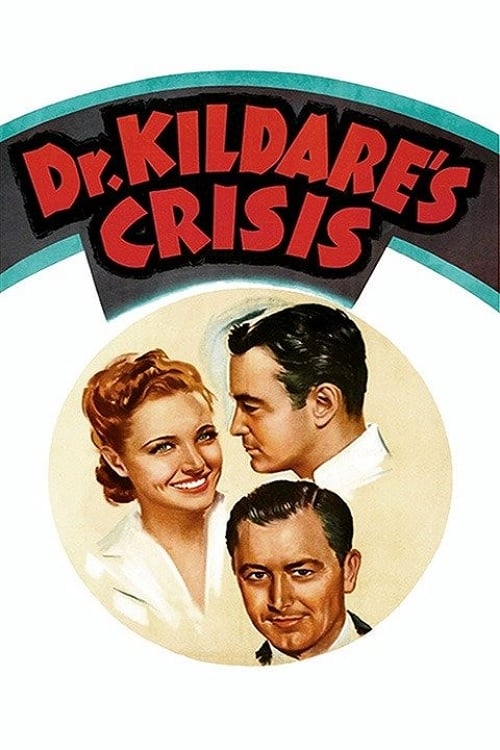
Dr. Kildare's Crisis
1940
No user ratings available yet
Representation score: 1.8 out of 10

Representation Score
Minimal
1940
NRDirector
Harold S. Bucquet
Runtime
77 minutes
Average Rating
No ratings yetNew Showbiz Analysis
Dr. Kildare's Strange Case is a typical 1940s studio drama that emphasizes professional hierarchy and traditional social structures. The narrative centers on male-driven medical achievements and romantic competition, leaving little room for diverse perspectives. The film reinforces mid-century norms by centering authority in male characters and treating patients as mere plot devices. This results in a narrow, homogeneous portrayal of the medical world. Ultimately, the work lacks complexity in representing multiple aspects of identity, functioning more as a reinforcement of established social and professional status quos.
Category Breakdown
The film adheres closely to the assumption that everyone is straight or cisgender. There are no representations of non-straight or non-cisgender identities or same-sex relationships.
Professional authority is largely held by male medical staff. Female characters such as Nurse Lamont are mainly defined by their emotional support and romantic availability.
The cast is predominantly homogeneous, reflecting the social constraints of the era. There is no significant racial or ethnic diversity or narrative ability to act for characters of color.
The story upholds traditional Western institutional values and medical ethics. It presents a stable view of societal order without critiquing established hierarchies.
Patients with medical conditions are portrayed as clinical subjects rather than autonomous individuals. Disability serves as a narrative device to drive the protagonist's professional growth.
Present on Screen
Limited or Absent
Official Synopsis
Kildare tries brain surgery, advised by Dr. Gillespie, and faces a rival for nurse Lamont.
1940
1950
1941
1939
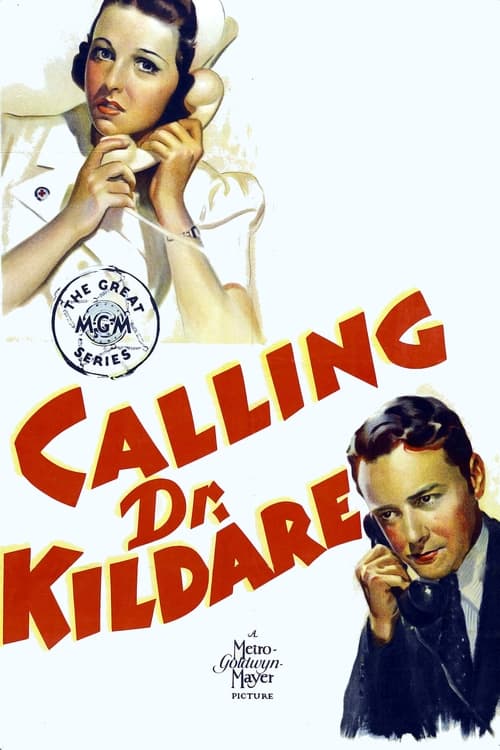
1939
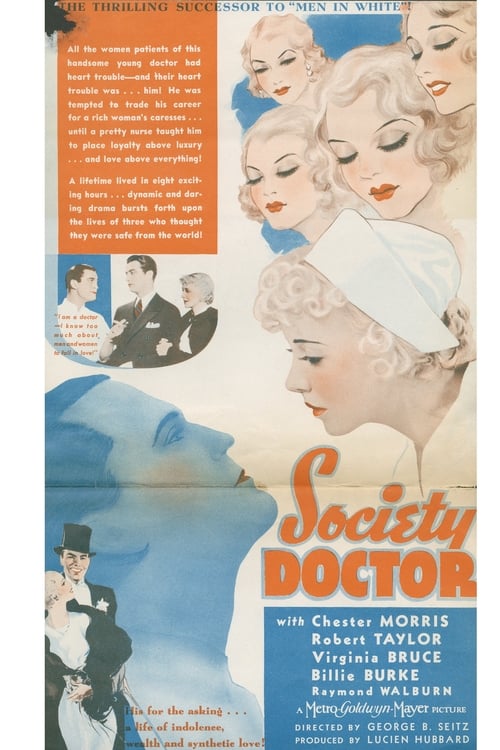
1935
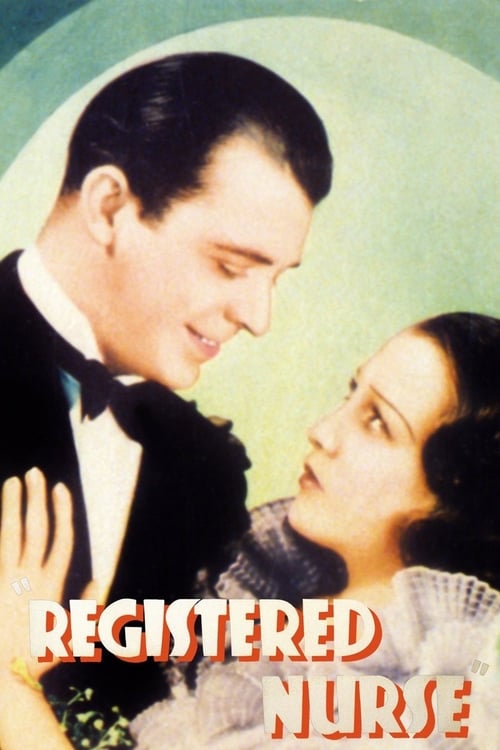
1934
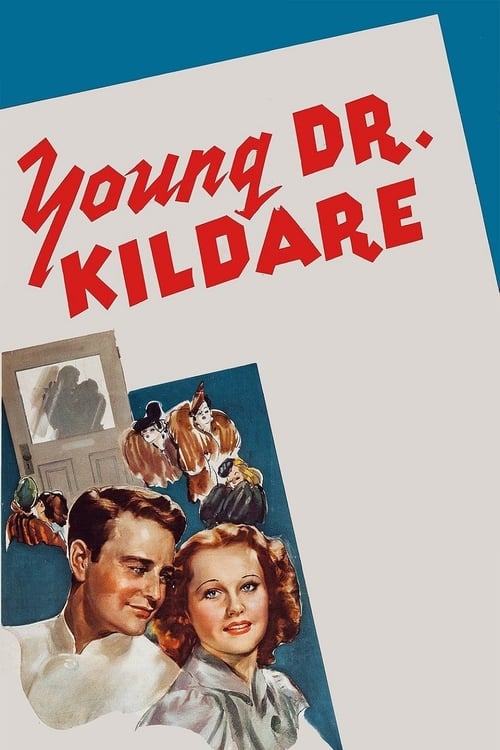
1938
No reviews yet. Be the first to share your thoughts on this movie!
Use the rating form above to leave a star rating and optional review.