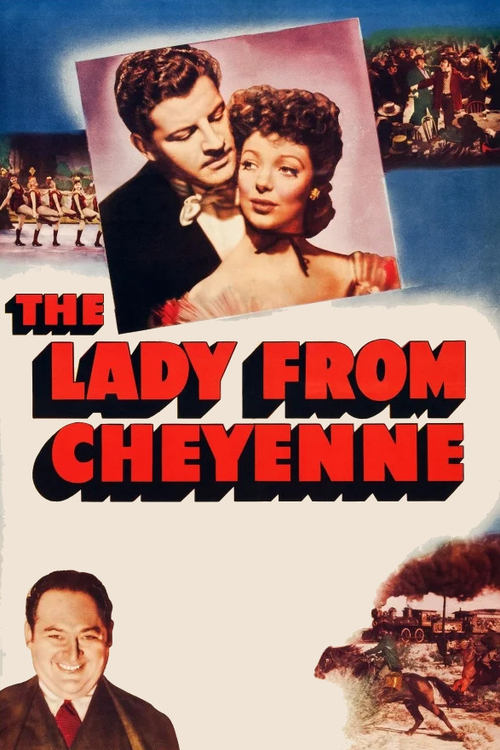
The Lady from Cheyenne
1941
No user ratings available yet
Representation score: 2.2 out of 10
Representation Score
Limited
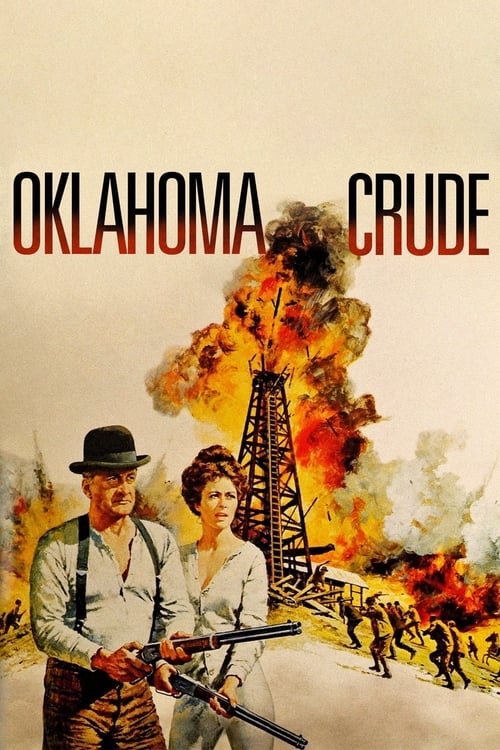
1973
PGDirector
Stanley Kramer
Runtime
108 minutes
Average Rating
No ratings yetNew Showbiz Analysis
Oklahoma Crude stands out for its challenge to traditional gender roles by centering a female protagonist who play a significant role in driving the story. However, the film's demographic homogeneity limits its diversity, as it does not include any LGBTQ+, racial, or ethnic diversity. Additionally, the film's critique of institutional stability and greed is confined to a narrow social perspective, lacking contemporary multi-layered breadth.
Category Breakdown
The film does not feature any LGBTQ+ characters or narratives, maintaining a traditional focus on heterosexual relationships.
Lena Doyle challenges traditional gender roles by taking a leading role in a male-dominated industry, showing greater resilience than the surrounding male characters.
The cast is predominantly white and lacks diversity, reflecting the historical context of 1913 Oklahoma without including any ethnic minorities.
The film critiques the stability of Western institutions during rapid capitalist expansion, highlighting the negative impact of resource extraction and shifting moral standards.
There is no visible or documented representation of physical, sensory, or neurodivergent disabilities among the main characters.
Present on Screen
Limited or Absent
Official Synopsis
In 1913, in Oklahoma, oil derrick owner Lena Doyle, aided by her father and a hobo, is stubbornly drilling for oil despite the pressure from major oil companies to sell her land.
1941
1956
1970
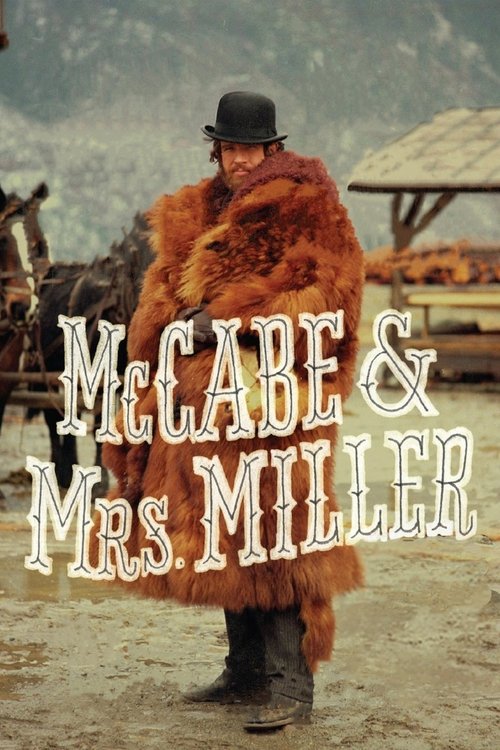
1971
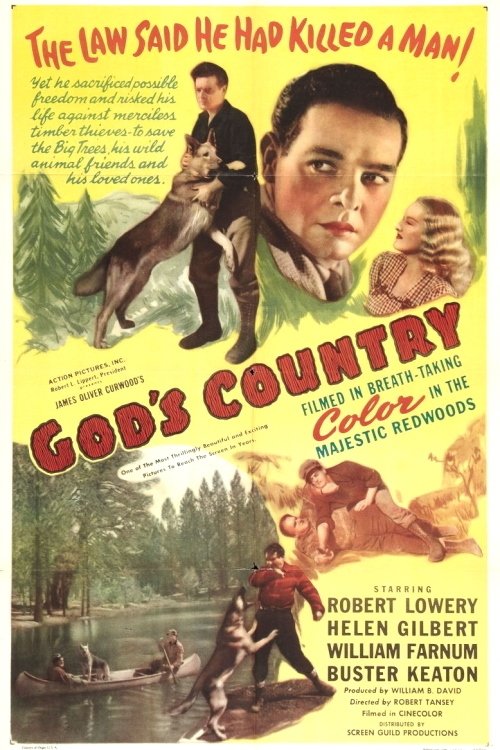
1946
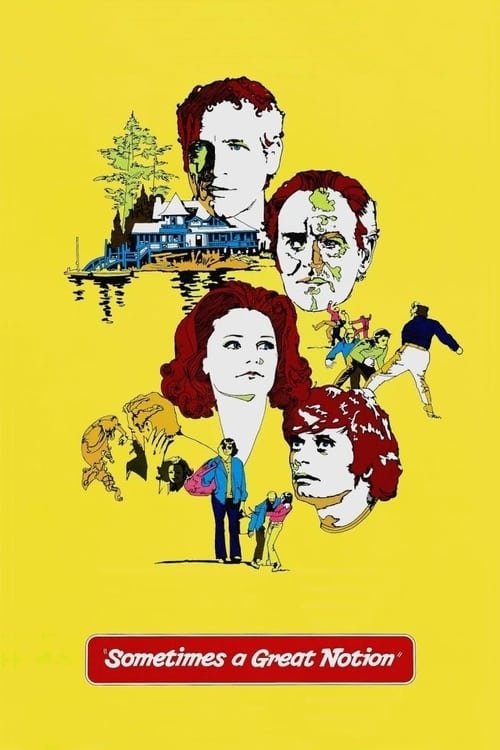
1971
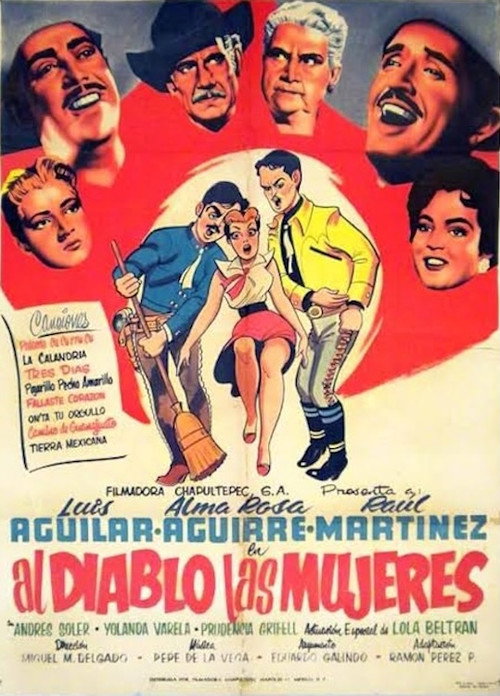
1955
1963
No reviews yet. Be the first to share your thoughts on this movie!
Use the rating form above to leave a star rating and optional review.