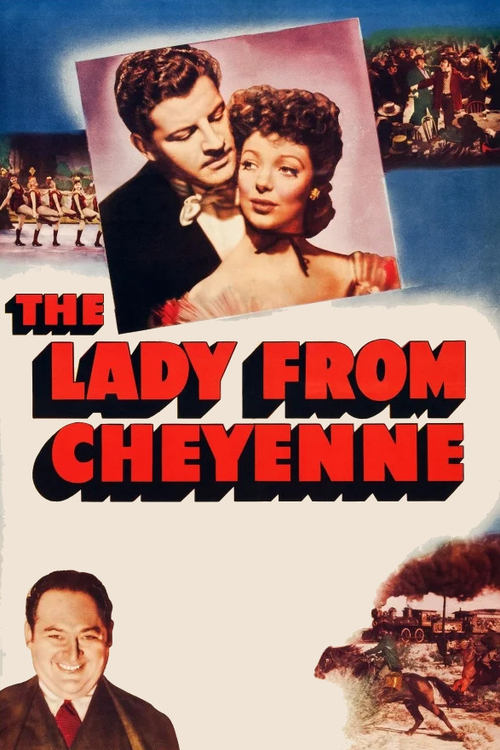
The Lady from Cheyenne
1941
No user ratings available yet
Representation score: 2.2 out of 10
Representation Score
Limited
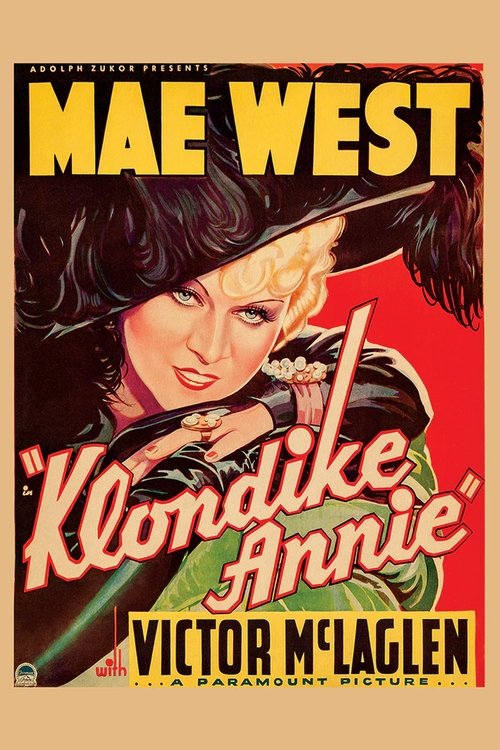
1936
ApprovedDirector
Raoul Walsh
Runtime
77 minutes
Average Rating
No ratings yetNew Showbiz Analysis
Klondike Annie offers a narrative focused on women's ability to drive the story, setting it apart from many contemporary Westerns. The protagonist's decision to leave and her bond with another woman suggest a move away from passive female roles. However, the film remains constrained by the era's social norms. It lacks visible racial diversity and does not depict LGBTQ+ identities, sticking to the homogeneous casting practices of 1936. Overall, the film occupies a transitional space, providing meaningful female-driven character arcs while adhering to traditional demographic and moral frameworks.
Category Breakdown
The film does not explicitly show non-straight relationships. The bond between two women exists, but the story follows the assumption that everyone is straight.
Rose Carlton shows a significant role in driving the story by making decisive actions against a controlling partner. The story is driven by female autonomy and a transformative relationship between women, rather than a male hero.
The synopsis does not mention any non-white characters. Given the time period, the film likely features only white actors, typical of 1930s Westerns.
The story explores themes of personal redemption and situational morality. A reformer's presence suggests a tension between survival tactics and traditional moral structures.
There is no mention of physical, cognitive, or sensory disabilities in the story.
Present on Screen
Limited or Absent
Official Synopsis
Singer Rose Carlton, otherwise known as 'The San Francisco Doll', accidentally kills her controlling boyfriend when he tries to prevent her from leaving. To evade the police, Rose sets sail for Nome with captain Bull Bracket. When the ship takes on another passenger, reformer Annie Alden, Carlton's life is changed forever, and she sets out to honor a deeply personal debt.
1941

1923
1944

1925
1952
1937
1926

1953
No reviews yet. Be the first to share your thoughts on this movie!
Use the rating form above to leave a star rating and optional review.