
VeggieTales: Lyle the Kindly Viking
2001
No user ratings available yet
Representation score: 1.5 out of 10
Representation Score
Limited
2000
Director
Mike Nawrocki
Runtime
33 minutes
Average Rating
No ratings yetNew Showbiz Analysis
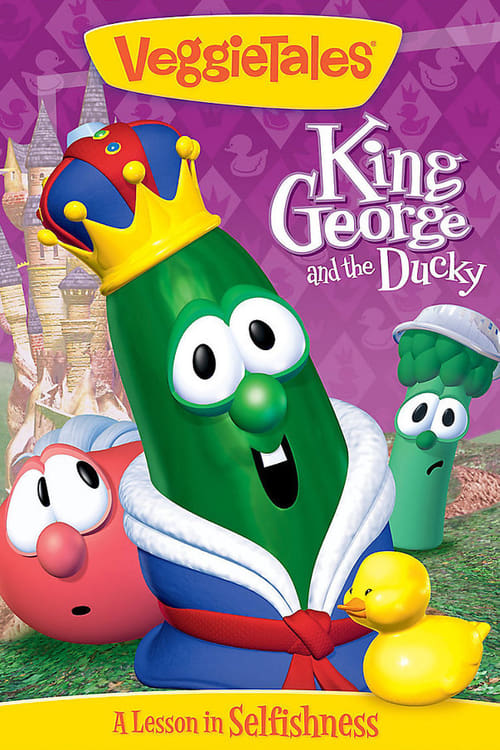
King George and the Ducky is a didactic work designed to uphold traditionalist values and religious hierarchies. The storytelling prioritizes moral absolutism and faith-based instruction over social complexity. Because the characters are non-human vegetables, the film avoids traditional markers of race and ethnicity, resulting in a culturally insulated environment. The narrative structure is centered on a singular, conventional social order. Ultimately, the film reinforces established spiritual and social norms. It lacks engagement with the overlapping aspects of identity or the experiences of underrepresented groups.
Category Breakdown
The film operates within a framework that assumes everyone is straight and cisgender. There are no non-assuming gender matches what was assigned at birth identities or same-sex relationships among the vegetable characters.
The cast is mainly male-coded, featuring male authority figures in leadership roles. The narrative upholds traditional hierarchies without challenging gendered power dynamics.
Since the characters are anthropomorphic vegetables, they don't have traditional racial or ethnic markers. The setting feels culturally insulated and homogeneous.
The story centers on singular Christian morality and religious obedience, reinforcing traditional Western institutions and divine authority as stabilizing forces.
The characters are portrayed as idealized, able-bodied archetypes. There is no significant depiction of physical or neurodivergent disabilities in the narrative.
Present on Screen
Limited or Absent
Official Synopsis
King George, unlike most kings, spends most of his time in the bathtub, playing with his favorite toy - a rubber ducky. But George isn't satisfied with just his rubber ducky - he wants all the duckies! The king learns a lesson in humility from his brave soldier Thomas, whose ducky George had stolen. Eventually, George faces his sin and learns that it's always important to share with others.
2001
2002
2000
1997
1995
1998
2009
1997
No reviews yet. Be the first to share your thoughts on this movie!
Use the rating form above to leave a star rating and optional review.