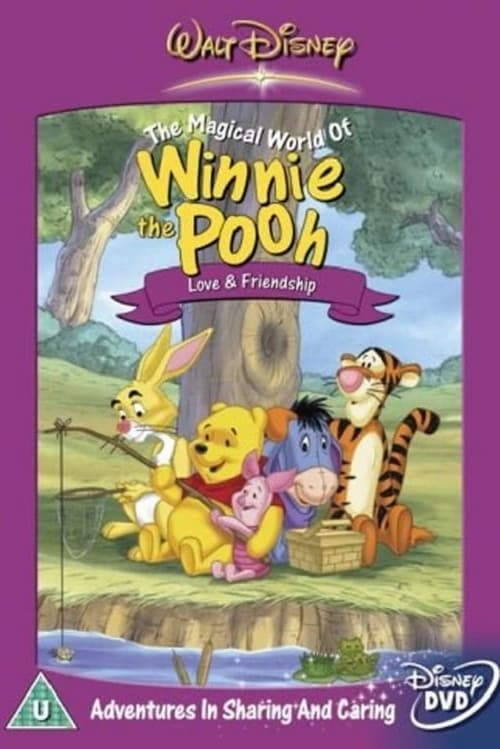
The Magical World of Winnie the Pooh: Love and Friendship
2003
No user ratings available yet
Representation score: 1.6 out of 10
Representation Score
Fair
1997
Runtime
44 minutes
Average Rating
No ratings yetNew Showbiz Analysis
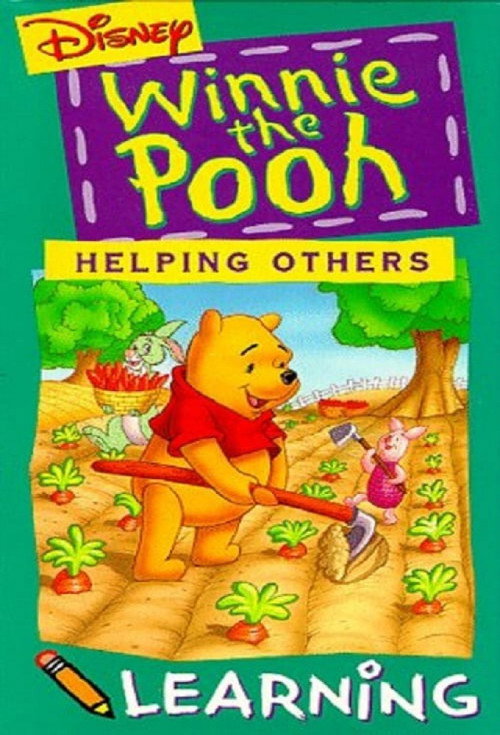
Winnie the Pooh: Learning - Helping Others is a traditional educational tool that promotes social harmony. The film uses safe, standard storytelling techniques typical of late-20th-century family animation. The story focuses on prosocial values and community support, avoiding complex identity issues. It does not aim to disrupt established social structures or challenge systemic institutions. Ultimately, the work provides a stable moral framework for children, emphasizing conventional kindness and emotional intelligence.
Category Breakdown
The story follows a traditional social structure where everyone is assumed to be straight. There are no characters with non-straight sexual orientations or same-sex relationships.
The characters operate within a gender-neutral environment that doesn't challenge traditional gender roles. The film highlights teamwork and emotional intelligence instead of reinforcing gender stereotypes.
The cast includes anthropomorphic animals, which creates a default form of color-blind casting. The story takes place in a pastoral setting that does not show explicit racial or ethnic diversity.
The story upholds traditional Western values of kindness and social unity. It emphasizes helping others as a moral good to maintain social stability.
The characters display neurodivergent traits, such as Pooh's slow thinking or Eeyore's sadness. These traits are presented as gentle quirks rather than disruptive conditions.
Present on Screen
Limited or Absent
Official Synopsis
Winnie the Pooh and friends teach us to help others.
2003
2002
1996

2004
2003

1977
1995

1997
No reviews yet. Be the first to share your thoughts on this movie!
Use the rating form above to leave a star rating and optional review.