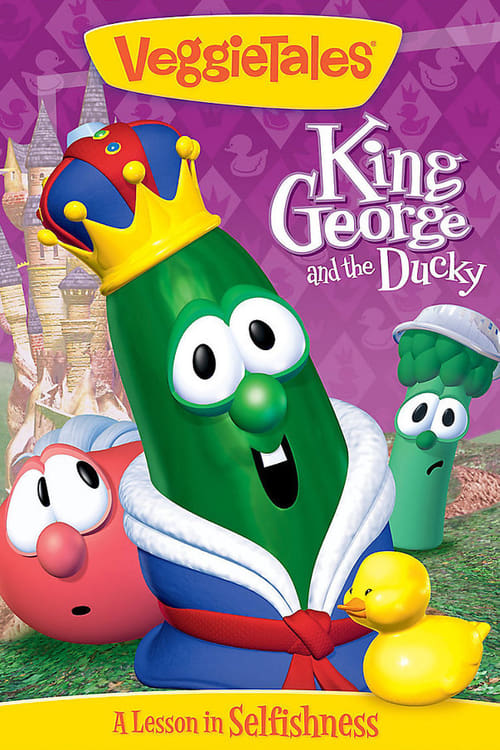
VeggieTales: King George and the Ducky
2000
No user ratings available yet
Representation score: 2.0 out of 10
Representation Score
Minimal
1998
TV-Y7Director
Mike Nawrocki
Runtime
37 minutes
Average Rating
No ratings yetNew Showbiz Analysis
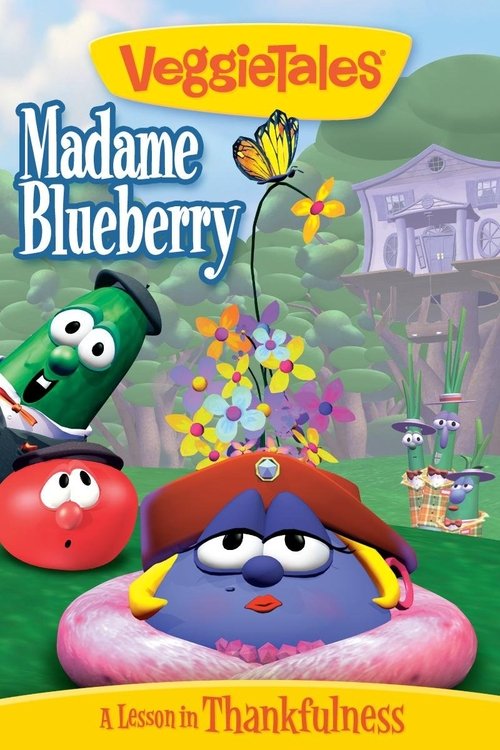
Madame Blueberry is a character-driven short that prioritizes individual moral instruction over systemic or social critique. The narrative structure is built around a traditional framework designed to reinforce established religious hierarchies. While the film addresses the concept of material accumulation, it does so through a lens of personal greed versus gratitude. This focus on individual rectitude keeps the story within conventional boundaries, offering little room for diverse social representation. Ultimately, the work functions as a tool for spiritual teaching. Because it seeks to uphold rather than disrupt traditional social and moral structures, it lacks progressive diversity.
Category Breakdown
The film does not depict any LGBTQ+ identities or queer subtext. Character dynamics focus solely on individual temperament and spiritual growth.
Madame Blueberry is a female-coded protagonist. However, the story avoids exploring gendered power dynamics or subverting traditional hierarchies, focusing instead on internal psychological conflict.
The use of anthropomorphic vegetables creates a non-human abstraction. While this avoids racial clichés, it also prevents the representation of diverse human ethnicities or multi-layered complexities.
The narrative promotes a singular Christian morality centered on religious virtue. It critiques consumerism to reinforce traditional spiritual values rather than offering a systemic critique of Western institutions.
There are no visible or invisible disabilities portrayed. Characters function within a standard physical and cognitive baseline for the animation style.
Present on Screen
Limited or Absent
Official Synopsis
Even though Madame Blueberry lives in a nice treehouse, and has lots of friends, she is still upset because she always thinks she needs more "stuff". When a new Stuff-Mart superstore opens up near her home, she loads up with everything she can, but is still sad. Eventually, Madame Blueberry learns that it's important to be thankful for what you already have.
2000
2002

2010
2009
2000
1995
1998

2001
No reviews yet. Be the first to share your thoughts on this movie!
Use the rating form above to leave a star rating and optional review.