
VeggieTales: King George and the Ducky
2000
No user ratings available yet
Representation score: 2.0 out of 10
Representation Score
Minimal
2000
UnratedDirector
Mike Nawrocki
Runtime
39 minutes
Average Rating
No ratings yetNew Showbiz Analysis
This adaptation of a biblical narrative uses anthropomorphic characters to reinforce established religious and social hierarchies. It serves primarily as a tool to teach traditionalist morality rather than explore diverse multi-layered identities. While the film offers representation of a specific historical religious group, it does so through a conservative lens. The story highlights the stability of patriarchal systems and conventional gender roles. Ultimately, the production does not engage with progressive social values, focusing instead on preserving specific theological structures and traditional Western religious ethics.
Category Breakdown
The film follows traditional heterosexual relationships, focusing on Esther and King Xerxes. There is no representation of individuals with non-conforming gender identities.
Esther is a key character who plays a significant role in driving the story. She embodies traditional feminine qualities like modesty and grace within a patriarchal system.
The characters are anthropomorphic, which means there are no human racial identifiers or traditional ethnic representations. The story centers on the Jewish people within a larger empire, highlighting their unique cultural context.
The narrative emphasizes biblical ethics and divine authority. It promotes traditional religious values, focusing on obedience to divine laws and the preservation of a specific faith community.
There are no characters with visible or invisible disabilities. The narrative does not address themes related to neurodivergence or physical impairments.
Present on Screen
Limited or Absent
Official Synopsis
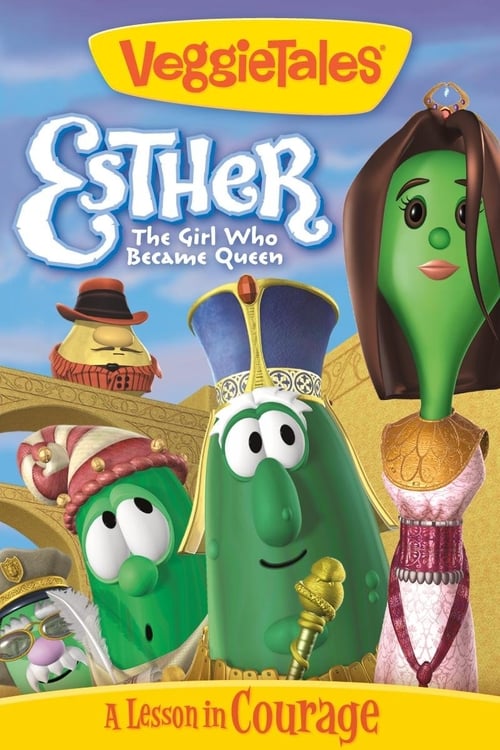
The king needs a new queen, and Esther has been chosen! But she's about to find out that being queen is going to take more courage than she ever imagined! When a small town girl wakes up with the weight of the world on her shoulders and the fate of her people in her hands, can she find the courage to do what's right?
2000

2002
2009

1993

2001
2006
2005
1997
No reviews yet. Be the first to share your thoughts on this movie!
Use the rating form above to leave a star rating and optional review.