
The Rich Are Always with Us
1932
No user ratings available yet
Representation score: 2.6 out of 10
Representation Score
Minimal
1931
NRDirector
Lionel Barrymore
Runtime
77 minutes
Average Rating
No ratings yetNew Showbiz Analysis
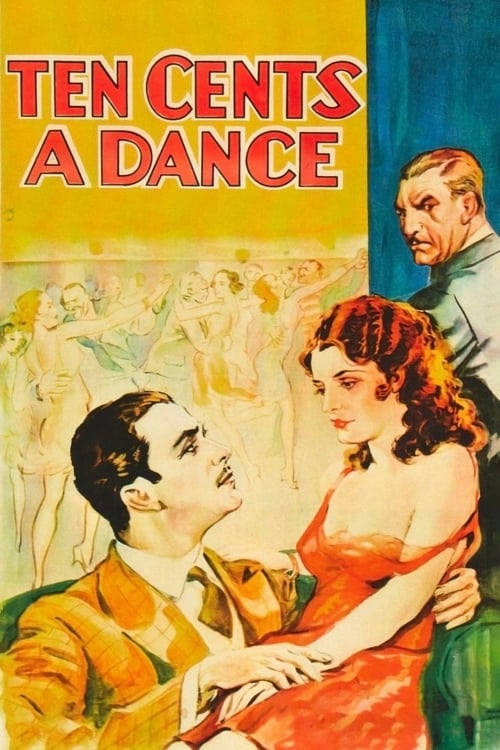
Ten Cents a Dance is a typical period drama that adheres to the conventional social hierarchies of 1931. The narrative relies on established formulas of romantic melodrama, focusing on infidelity and jealousy rather than challenging familiar patterns. The film lacks depth in reflecting multiple aspects of identity, offering a homogeneous view of the era. While it touches on class through its protagonist's profession, it does not engage in a broader critique of the socioeconomic structures of the time. Ultimately, the work functions as a traditional character study within a restrictive social framework, providing little representation beyond the dominant cultural norms of the early sound era.
Category Breakdown
The film focuses on a traditional love triangle and does not include any characters with non-conforming gender identities or narratives that challenge the assumption that everyone is straight or cisgender.
The story revolves around a female protagonist's fight for economic and romantic independence. However, the presence of a jealous husband reinforces traditional ideas where men have control over women.
The film features a cast that appears to be entirely white, following the homogeneous casting standards of early Hollywood without including characters from different racial or ethnic backgrounds.
The movie examines socioeconomic class through the life of a taxi dancer. It functions as a moral melodrama rather than a critique of social institutions.
There are no characters with physical or neurodivergent disabilities in the film.
Present on Screen
Limited or Absent
Official Synopsis
A taxi dancer with a jealous husband finds herself falling for a wealthy client.
1932
1938

1931
1933

1932

1932

1928

1932
No reviews yet. Be the first to share your thoughts on this movie!
Use the rating form above to leave a star rating and optional review.