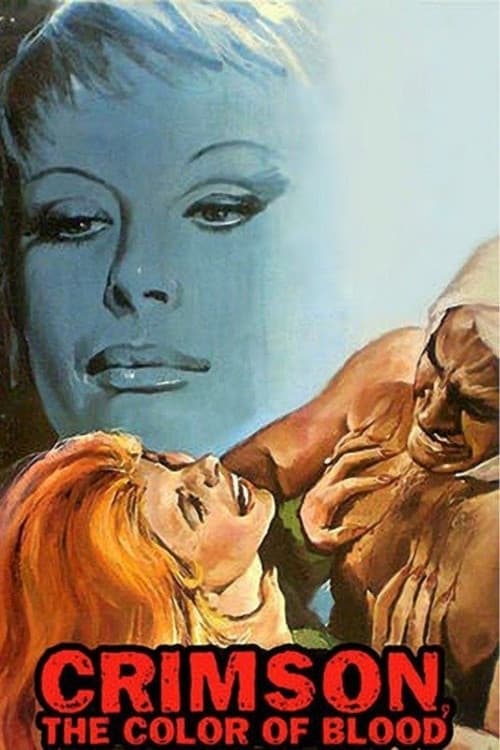
Crimson, the Color of Blood
1973
No user ratings available yet
Representation score: 4.7 out of 10

Representation Score
Excellent
1973
RDirector
Bill Gunn
Runtime
113 minutes
Average Rating
No ratings yetNew Showbiz Analysis
Bill Gunn’s *Ganja & Hess* is a sophisticated subversion of the horror genre. It replaces the hyper-male clichés of Blaxploitation with an intellectual exploration of Black identity and post-colonial trauma. The film excels in its racial representation, using an all-Black cast of intellectuals to challenge cinematic stereotypes. By reframing the vampire mythos, it creates a profound meditation on heritage and existential consumption. While the film lacks queer representation and treats disability as a supernatural allegory, its high-culture approach and cultural depth make it a seminal work of intentional subversion.
Category Breakdown
The film doesn't include explicit LGBTQ+ characters or non-straight relationships. The central tension revolves around the marital bond between Hess and Dana.
Dana is shown as a strong, active character rather than a passive victim. The film highlights the breakdown of domestic stability, presenting the husband as a source of instability.
The all-Black cast represents a professional and intellectual elite, challenging 1970s stereotypes. It uses the vampire mythos to examine the African diaspora and post-colonial trauma through a unique cultural lens.
The narrative focuses on metaphysical inquiry rather than religious dogma. It critiques systemic consumption and explores the trauma of the diaspora, questioning traditional Western social structures.
The vampire transformation serves as a metaphor for chronic illness or neurodivergence. However, the film treats this as a supernatural phenomenon rather than a realistic depiction of physical or mental disability.
Present on Screen
Limited or Absent
Official Synopsis
After being stabbed with an ancient, germ-infested knife, a doctor finds himself with an insatiable desire for blood.
1973
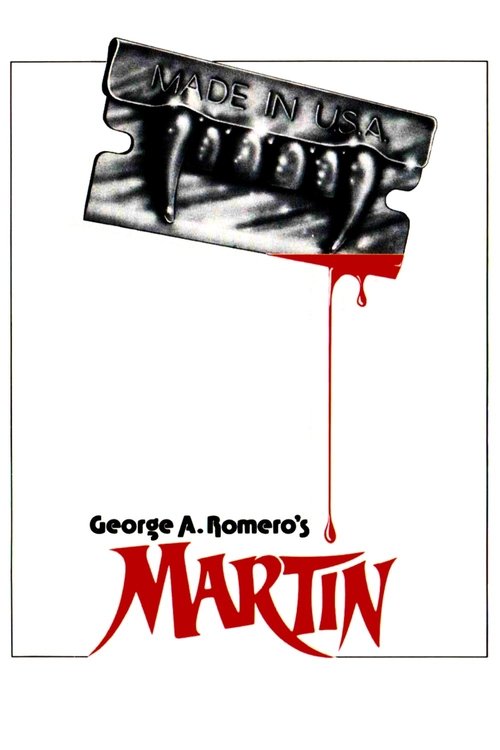
1978
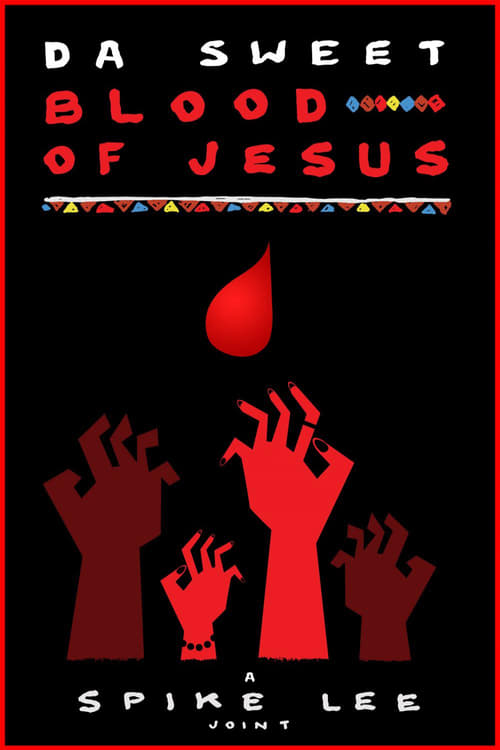
2015
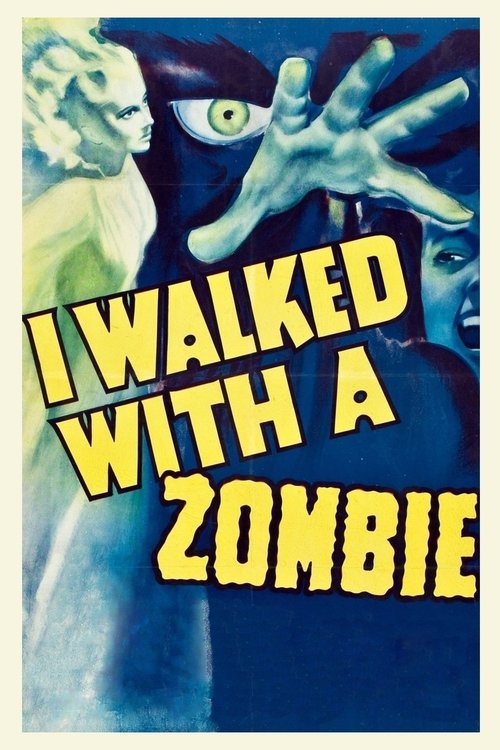
1943
1963
1977

1988
1987
No reviews yet. Be the first to share your thoughts on this movie!
Use the rating form above to leave a star rating and optional review.