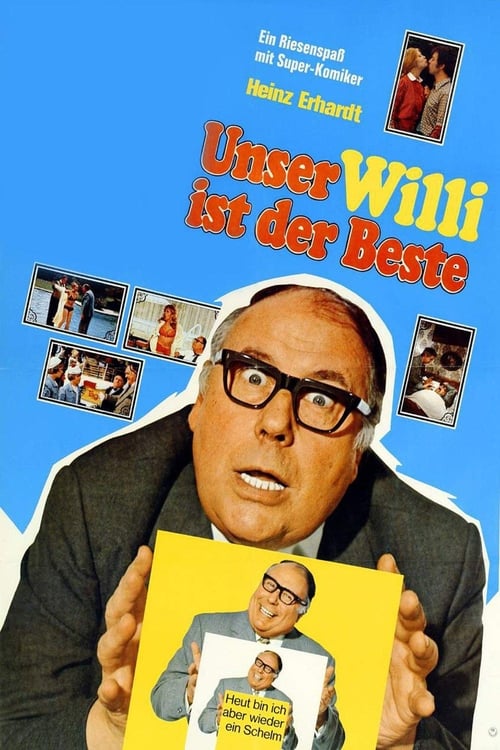
Unser Willi ist der Beste
1971
No user ratings available yet
Representation score: 1.2 out of 10
Representation Score
Minimal
1971
Director
Eberhard Schröder
Runtime
76 minutes
Average Rating
No ratings yetNew Showbiz Analysis
Most Girls Will offers a glimpse into the comedic traditions and social structures of early 1970s Europe. It adheres to the social and demographic norms of its time rather than trying to challenge them. The film's structure relies on conventional comedic formulas and a homogeneous cast, reinforcing traditional gender and cultural norms. Ultimately, the work lacks the intention to represent diverse identities, reflecting the limited social perspectives of mid-century West German productions.
Category Breakdown
The film does not include characters with non-traditional gender identities or stories that question the assumption that everyone is straight. It follows the social norms of 1971 without depicting same-sex relationships or LGBTQ+ characters.
Despite suggesting a focus on female perspectives, the film likely relies on conventional gender clichés. It portrays gender roles through traditional comedic and domestic stereotypes of the time.
The film features a predominantly homogeneous cast typical of early 1970s West German cinema. There is no indication of multicultural or racially diverse representation within the story.
The comedy centers on established social norms, family structures, and traditional morality. It lacks anti-establishment themes, aligning with the cultural norms of the era.
There is no evidence of characters with physical or cognitive disabilities in the film.
Present on Screen
Limited or Absent
1971
1961
1976
1964
1964
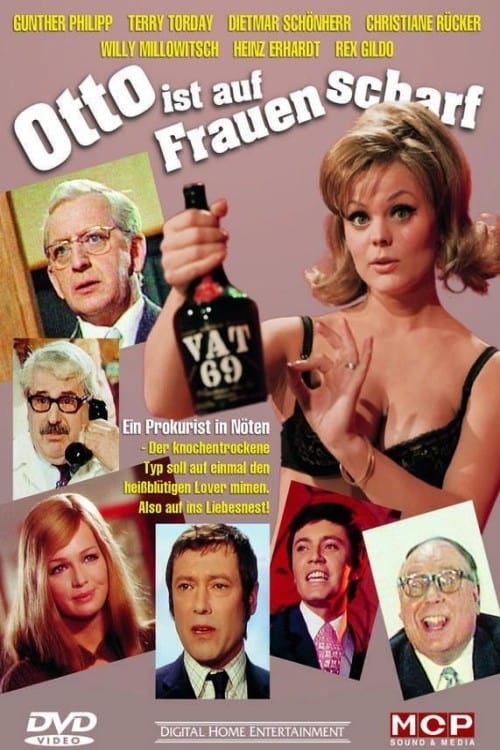
1968
1957
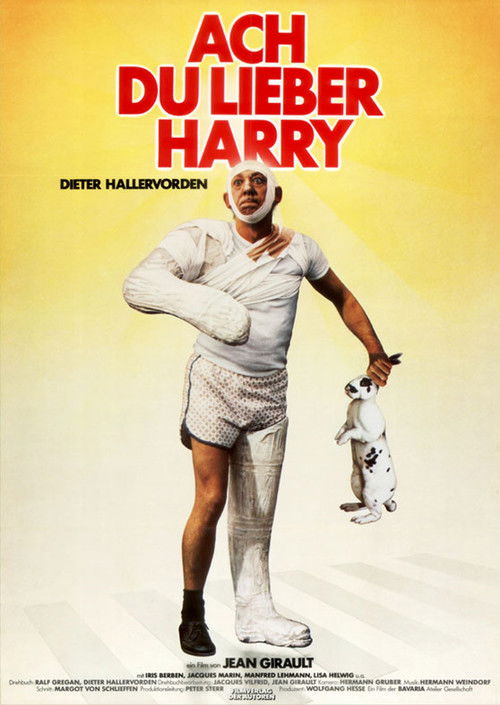
1981
No reviews yet. Be the first to share your thoughts on this movie!
Use the rating form above to leave a star rating and optional review.